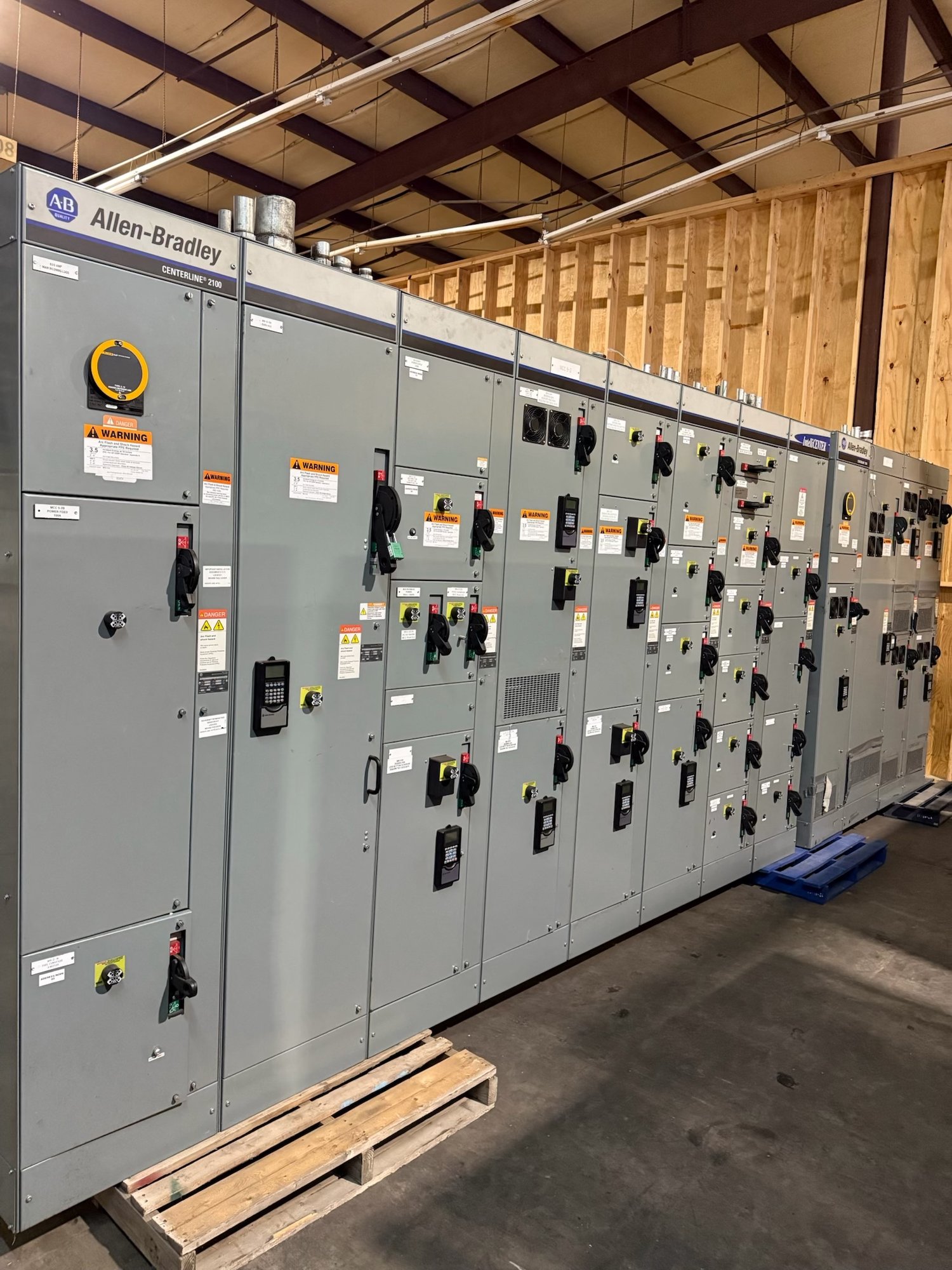
What a distributor does
A switchgear distributor typically connects buyers with equipment made by one or more manufacturers. Depending on its role and the product, a distributor may help interpret a request, assemble a quotation, coordinate submittals and track an order. The scope of that support varies, so clarify whether the distributor is quoting a defined assembly or arranging a manufacturer-built configuration.
A direct manufacturer relationship puts the buyer in discussion with the company responsible for building the equipment. That can make it easier to resolve questions about configuration, component choices, drawings and changes during review. Neither route is automatically better: the useful comparison is who owns each decision, communicates the answer and confirms the final scope in writing.
Compare scope, not just the quote total
Before comparing prices, check that each proposal addresses the same equipment and project requirements. For a switchboard, review the requested voltage and current, main and feeder arrangement, breaker types, bus configuration, enclosure requirements, metering, controls and specified options. Confirm which items are included, excluded or still subject to engineering review; an apparent price difference may reflect a difference in scope.
Ask how the proposed assembly relates to the project documents and applicable specifications. UL 891 applies to switchboard assemblies; it is not a blanket listing for medium- or high-voltage switchgear. Confirm the precise equipment category and documentation being offered rather than relying on broad labels. Final design, ratings and code applicability require review by the project’s qualified electrical professionals and the authority having jurisdiction.
Test the engineering handoff
Ask who will review the one-line diagram, equipment schedule and specification, and how discrepancies will be handled before an order is released. Identify the person or team responsible for submitting drawings, incorporating approved comments and recording revisions. For a custom-built configuration, establish how changes to breaker placement, cable entry, metering or control requirements affect the scope and approval sequence.
A distributor may coordinate these steps with a manufacturer, while a direct purchase can place the buyer closer to the builder. In either case, request a clear submittal path and defined points for approval. Confirm what information the manufacturer needs before finalizing drawings, who can authorize changes and how unresolved exceptions will be documented. This reduces the risk of procurement assumptions becoming installation or schedule issues.
Ask practical questions before ordering
For a useful quote, share the latest one-line diagram, equipment schedule, project specification and any relevant site or utility requirements. State the required equipment type, system voltage, bus and breaker requirements, enclosure conditions, cable entry preferences, metering and control needs, and any requested options. Identify open design questions instead of presenting assumptions as final requirements.
Ask each source to state the quoted configuration, exclusions, submittal requirements, order milestones and what could change availability or schedule. Confirm whether components are American-made where that matters to the project, and ask what documentation supports the statement. Short lead times and custom configurations depend on the specific design, component availability and order details; confirm the applicable timeline for the proposed scope rather than relying on a general claim.
Plan delivery and project responsibility
For delivery in Georgia, provide the destination, receiving hours, site access limits, unloading arrangements and the date equipment is needed at the project location. Discuss shipment coordination, packaging expectations and who will receive and inspect the equipment. Delivery planning should account for the building schedule, staging space and any restrictions on truck access or equipment movement; confirm the actual shipping plan and timing for the order.
Before purchase, document who handles engineering questions, drawing revisions, order updates, shipping coordination and receipt issues. Our team builds and supplies new switchgear, including custom configurations and UL 891 switchboard assemblies, with nationwide shipping. Exact scope, availability and timeline are confirmed for each order. Compare distributor and direct-manufacturer proposals against those responsibilities, then share the project documents and delivery constraints needed to establish a specific, reviewable quotation.