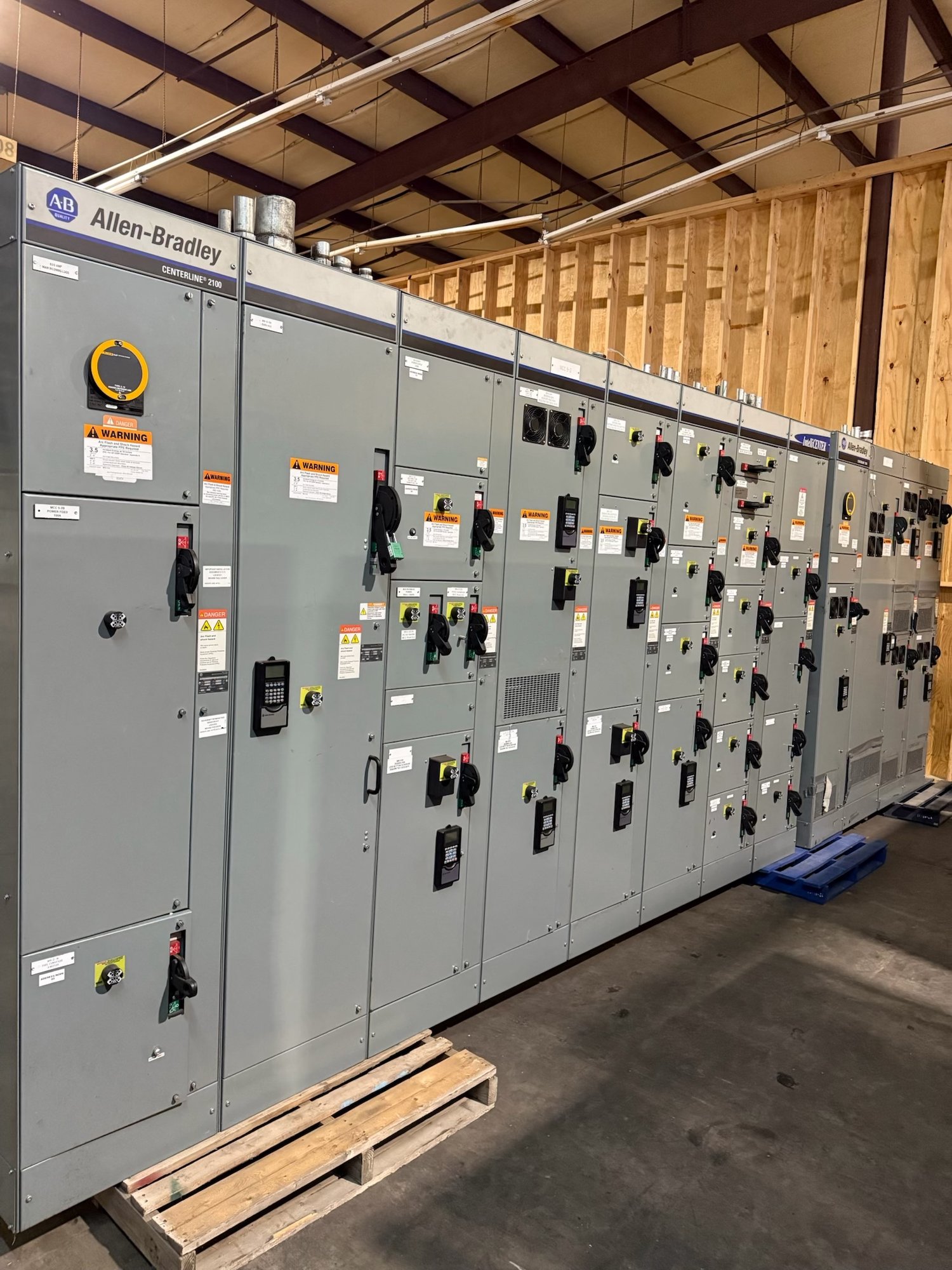
Start with the installation environment
For indoor electrical rooms with controlled conditions, painted carbon steel is often a practical starting point. It is widely used for fabricated enclosures and can suit projects where ordinary indoor exposure, mechanical protection, and a specified finish govern. Consider nearby washdown, condensation, chemical vapors, construction dust, and ventilation—not just whether the equipment is technically indoors.
Georgia sites can face humid conditions, seasonal temperature changes, coastal salt exposure, and outdoor rain or airborne contaminants. These conditions do not automatically dictate one material, but they make exposure details important. Identify whether the assembly will be indoors or outdoors, near the coast, in a process area, or subject to cleaning. The engineering team can then evaluate material, coating, enclosure construction, and applicable project requirements together.
Carbon steel: adaptable and finish-dependent
Carbon steel is a familiar choice when strength, fabrication flexibility, and a painted surface align with the application. It can accommodate a range of enclosure shapes and mounting arrangements, but its corrosion performance depends on the specified protective system and how the finished assembly will be handled and maintained. Scratches, cut edges, seams, and field modifications deserve attention where moisture or corrosive agents may reach the metal.
Specify the required paint or coating system, color, surface preparation, and any project documentation rather than relying on a general description such as painted steel. Clarify whether equipment will be transported through active construction areas and whether touch-up requirements apply. For a quote, provide the drawings, environmental conditions, finish requirements, and any restrictions on dimensions or access.
Stainless steel: evaluate exposure and grade
Stainless steel may be appropriate where corrosion resistance, frequent cleaning, or a particular process environment is a priority. It is not a single, universal material specification: grade, finish, fabrication details, and exposure all matter. Chlorides, chemical cleaners, trapped moisture, and dissimilar-metal contact can affect performance, so naming stainless steel alone does not establish suitability for a site.
Ask the project engineer to define the required grade and finish based on the actual contaminants and cleaning practices. Review seams, joints, hardware, and interfaces as part of the enclosure specification, not as afterthoughts. Stainless steel may also change fabrication and procurement considerations compared with painted carbon steel; confirm the requested scope and availability for the specific assembly before finalizing the schedule.
Aluminum: account for weight and construction
Aluminum can reduce enclosure weight and may be considered where handling, support structure, or corrosion considerations favor it. Its properties differ from steel, so the material should be evaluated against enclosure size, stiffness, mounting loads, door and panel arrangements, and the equipment layout. A lighter enclosure does not by itself resolve structural or electrical design requirements.
Discuss the proposed alloy and finish, connection details, and how the enclosure will interface with other metals or supporting structures. Confirm that the fabrication approach accommodates the required cutouts, mounting features, and assembly configuration. When equipment must pass through restricted doors or be placed on a particular floor or platform, include those access and handling constraints with the drawings.
Compare fabrication and lifecycle requirements
Material selection can affect forming, welding, machining, finishing, and assembly sequence. It can also influence enclosure weight, surface appearance, and the way components attach. Ask the manufacturer to review the specified material against the actual geometry and fabrication scope; do not assume that a material substitution will preserve the original fit, finish, or project requirements.
Compare the complete installed requirement rather than material cost alone. Consider expected exposure, inspection and cleaning practices, repair approach, transport protection, and the consequences of coating damage or corrosion. If specifications name a material, grade, or finish, identify whether alternatives are permitted and who must approve a deviation. Engineering and the authority having jurisdiction determine design acceptance and applicable requirements.
Prepare a quote package and delivery handoff
A useful quote request identifies the installation location and environment, indoor or outdoor use, exposure to salt, chemicals or washdown, preferred material and finish, enclosure dimensions, equipment arrangement, access limits, and drawing revision. Include project specifications, required submittals, interface details, and any schedule milestones. If the material is undecided, state the competing priorities so the manufacturer can clarify the scope rather than assume a choice.
For Georgia delivery, share the jobsite or receiving location, unloading and access constraints, required delivery sequence, and coordination needs with the project schedule. Exact material availability, configuration, and timeline are confirmed for each order; do not base a construction plan on an assumed lead time. Before release, align the approved drawings, material and finish requirements, equipment scope, and delivery instructions so fabrication and receiving teams are working from the same information.