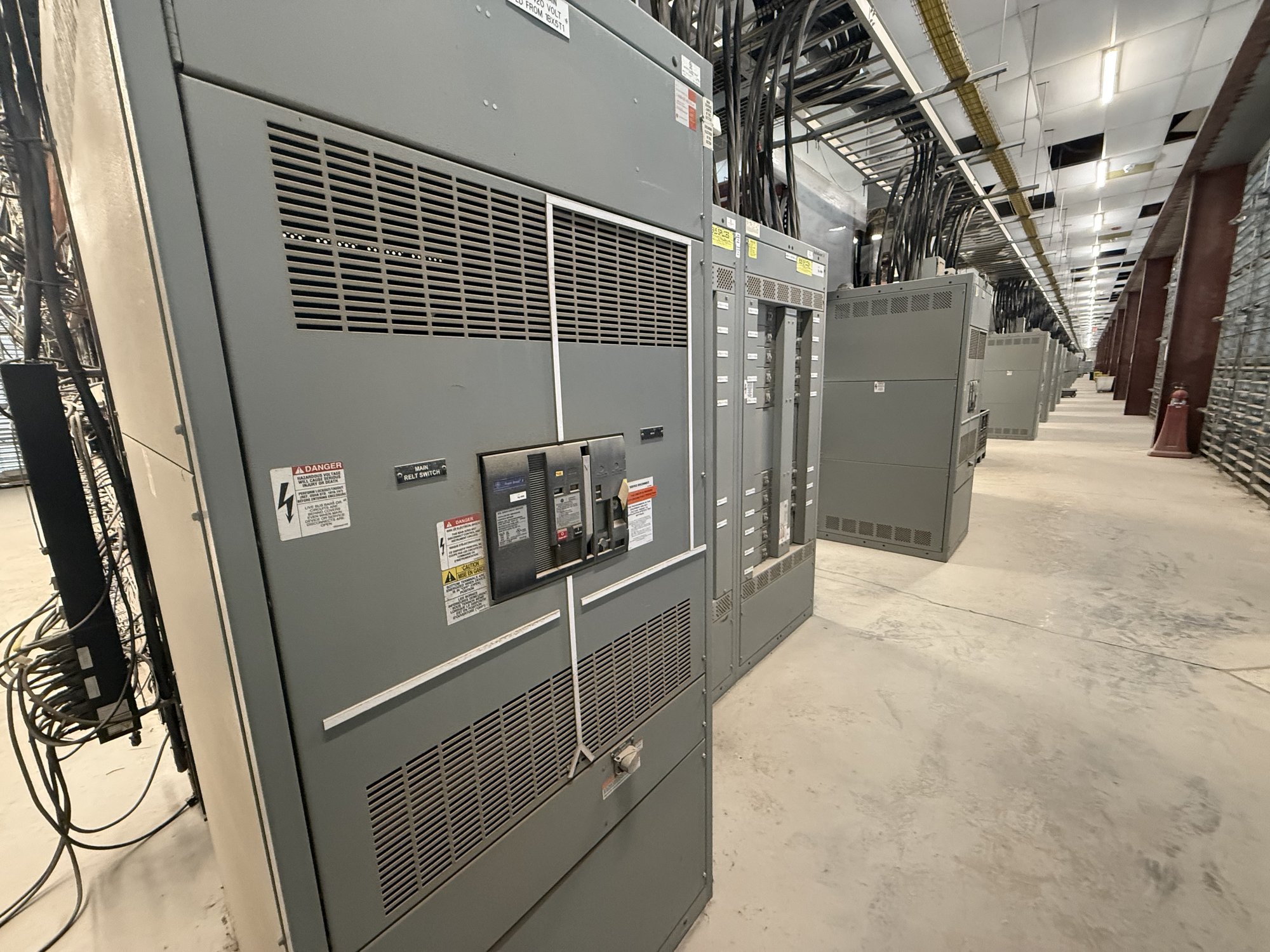
Start with the installation environment
An indoor electrical room may call for a different coating approach than an outdoor pad or process area. First identify whether the enclosure will be inside a conditioned space, an unconditioned building, or directly exposed to weather. Note nearby washdown, condensation, dust, airborne chemicals, and routine cleaning agents. These conditions matter more than a broad label such as “industrial.”
For Georgia projects, account for the actual site exposure rather than assuming a single statewide climate condition. A coastal location, a humid interior space, and a dry utility room present different concerns. Share the installation location and environment with the manufacturer so the proposed enclosure finish can be evaluated against the project requirements.
Indoor and outdoor finish considerations
Indoor enclosures are often specified for appearance, cleanability, and resistance to handling or incidental contact during installation and maintenance. The specification should identify the desired color or finish, if required, and whether the equipment will face regular cleaning or exposure to process materials. Confirm that the selected finish is suitable for the substrate and fabrication method.
Outdoor applications require attention to weather exposure, moisture, sunlight, and the condition of the mounting location. Clarify whether the enclosure is sheltered or fully exposed, and whether standing water, spray, or frequent temperature changes are expected. A coating alone does not establish an enclosure’s environmental rating or replace requirements for enclosure construction, sealing, or installation.
Describe corrosive exposure precisely
“Corrosive environment” can mean many things, from occasional cleaning with a mild detergent to continuous exposure to chemical vapors or salt-bearing air. Identify the substances involved, their concentration when known, how often exposure occurs, and whether contact is by vapor, splash, washdown, or immersion. Include process and sanitation chemicals rather than relying on a general facility description.
Also describe the expected service life and maintenance practices if the project has defined them. Some coatings may be unsuitable for a particular chemical, substrate, or fabrication detail. Engineering review should resolve compatibility and performance requirements before the finish is finalized; do not assume that a coating choice alone guarantees corrosion protection for the complete assembly.
Put measurable requirements in the specification
A useful coating specification names the required coating system or performance criteria, finish color, surface preparation, and any applicable testing or documentation. If the project references a particular standard, include its exact designation and edition, and state which enclosure surfaces or components it applies to. Distinguish mandatory requirements from preferred options so procurement can compare a proposed configuration accurately.
Coordinate coating requirements with enclosure material, dimensions, cutouts, doors, hardware, and assembly sequence. Fabrication or field changes can affect finished surfaces and may require an approved repair method. If touch-up materials, inspection records, or coating submittals are required, state that before order release and identify who will review and accept the documentation.
Questions to include with a quote request
Share the project location in Georgia, intended indoor or outdoor placement, enclosure material if specified, exposure conditions, preferred finish, and any project coating standard. Include the equipment arrangement and drawings where available, plus requirements for color matching, labeling, touch-up, inspection, or submittals. Flag any known chemicals, washdown routines, salt exposure, or unusual cleaning agents.
Ask which coating details can be provided for the requested configuration, what assumptions require engineering confirmation, and whether the proposed finish affects fabrication or schedule. Exact scope, availability, and timing are confirmed for each order. Clear answers to these questions help purchasing compare the proposal with the project documents and identify exceptions before approval.
Coordinate finish selection with project handoff
Before fabrication, reconcile the coating specification with the approved drawings, equipment schedule, and procurement documents. Resolve discrepancies in color, surface preparation, exposure class, or required records rather than leaving them for site interpretation. Confirm the approved finish and any exceptions in the order documentation so fabrication and inspection work to the same requirements.
For delivery to a Georgia jobsite, coordinate the required delivery point, receiving constraints, and project sequence with the order team. Provide the coating specification and exposure details with your quote request, then review the proposed finish and documented assumptions before release. This gives the project team a clear basis for accepting the enclosure finish at handoff.