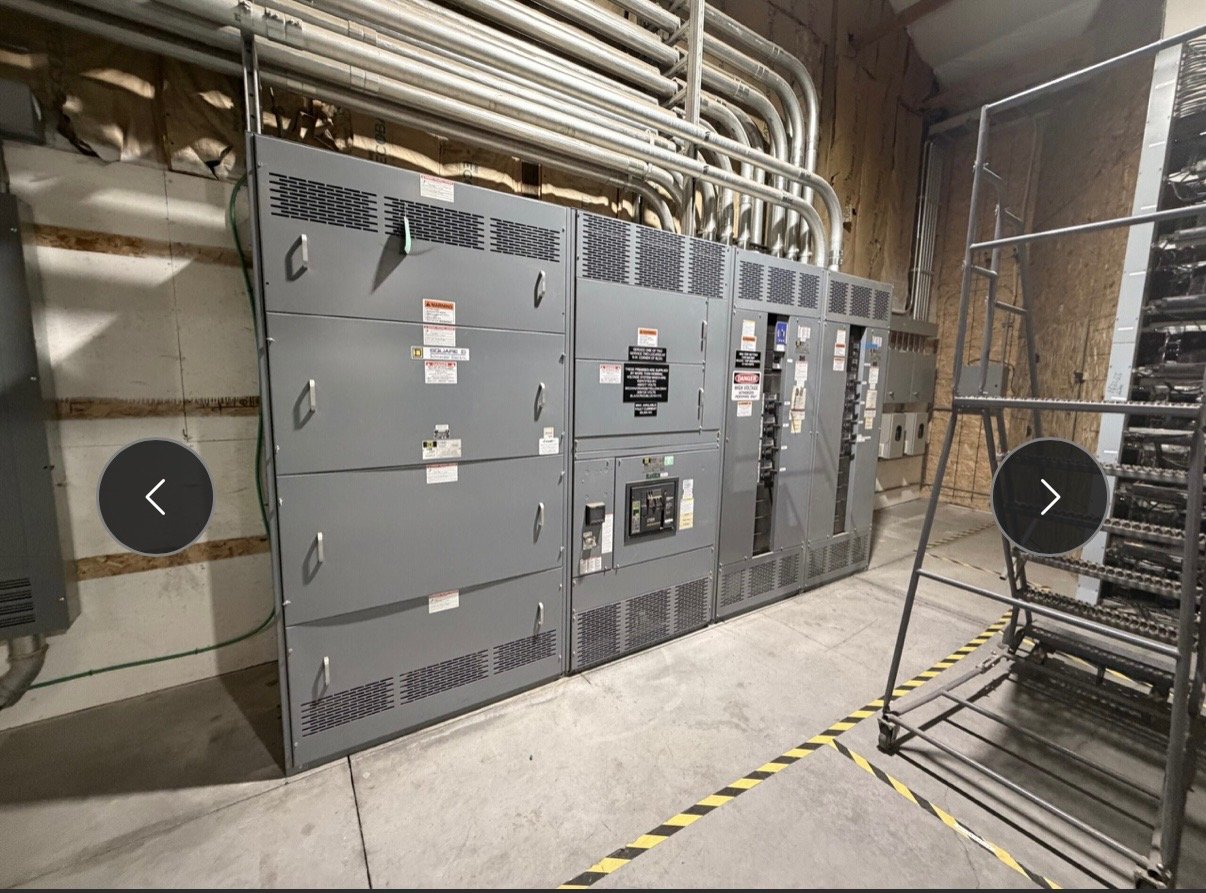
Gauge is not a complete specification
Sheet metal gauge is a common shorthand for thickness, but gauge values differ by material and convention. A number alone does not tell a fabricator whether the enclosure is steel or another material, which thickness table applies, or whether the stated value is nominal or a minimum. Specify material type and thickness in a consistent unit, and identify the governing drawing or project specification.
For steel, confirm the intended grade, coating and finish as well as thickness. Those choices can affect forming, joining, corrosion resistance and appearance. Do not assume that two sheets carrying the same gauge number have identical properties or finished dimensions. When a specification gives only a gauge, ask the responsible engineer to clarify its basis before fabrication details are finalized.
Thickness follows the structural design
Enclosure panels, doors, covers and internal mounting surfaces do different jobs. A broad unsupported panel can flex more than a narrow one, while a door with cutouts, hardware or a mounted device needs suitable support and clearance. Engineers consider panel span, bends, stiffeners, seams, hinges, latches and the weight and location of installed components together rather than choosing thickness from a single rule of thumb.
Mounting rails and backpanels may need to carry concentrated loads from electrical devices, bus supports or wiring accessories. Increasing sheet thickness can help in some configurations, but adding formed returns, ribs or supports may address deflection differently. The enclosure layout, access needs and fabrication method all matter. Confirm the actual loading and construction with the design authority; a gauge recommendation by itself is not a structural approval.
Construction and fit affect the choice
Fabrication details influence how material behaves and how the completed enclosure fits its equipment. Bend radii, flange depth, welded seams, fastener spacing and door reinforcement can change stiffness and usable space. Openings for operators, meters, ventilation or cable entry also interrupt panels and may require edge treatment or added support. Coordinate these features with the enclosure arrangement before releasing drawings.
Thickness also affects forming and assembly tolerances. A change can alter bend allowance, internal clearances and alignment between doors, frames and adjacent sections. It may affect hardware selection and the room available for devices or wiring. If a project allows an alternate thickness, review the full assembly and fabrication drawings rather than treating the change as interchangeable material.
Relate material to the equipment standard
The applicable equipment standard and project documents govern construction requirements; a gauge value alone does not demonstrate conformity. For a switchboard assembly specified to UL 891, review the applicable assembly construction, intended configuration and documentation with the responsible manufacturer and engineering team. UL 891 applies to switchboards; it should not be treated as a blanket listing for medium- or high-voltage switchgear.
Also distinguish enclosure material thickness from other design ratings or performance claims. A thicker panel does not by itself establish an equipment short-circuit rating, environmental suitability, seismic performance or code compliance. Those determinations depend on the complete design, tested or evaluated construction where applicable, and review by the responsible engineer and authority having jurisdiction.
What to provide for a useful quotation
Share the equipment type, service conditions, overall dimensions, material and finish requirements, and any specified thickness or gauge convention. Include drawings, one-line diagrams where relevant, device and mounting layouts, door and access requirements, cable-entry locations, and known environmental or installation constraints. Identify which details are mandatory and which may be considered as manufacturer-proposed alternatives.
State the applicable equipment standard, project specifications, required documentation, and approval milestones. Explain whether the design is fixed or still under engineering review, and flag interfaces with foundations, adjacent sections or existing equipment. These inputs help clarify scope, identify conflicts and confirm what can be built; exact configuration, availability and schedule are established for each order.
Coordinate fabrication with Georgia delivery
For a Georgia project, coordinate enclosure dimensions and section breaks with the delivery route, receiving space and installation sequence. Large or heavy assemblies may need planned unloading access and a clear path to the electrical room. Confirm site access, delivery location, packaging requirements and the party responsible for receiving the equipment early enough to inform the order details.
Before approval, reconcile the material schedule, fabrication drawings and purchase specification so they state the same thickness basis, finish and construction details. Ask the manufacturer to identify unresolved assumptions and document any accepted substitutions. Share those clarifications with the project engineer and installer, then approve the final configuration before production. This handoff helps keep sheet metal choices aligned with design intent, equipment requirements and site conditions.