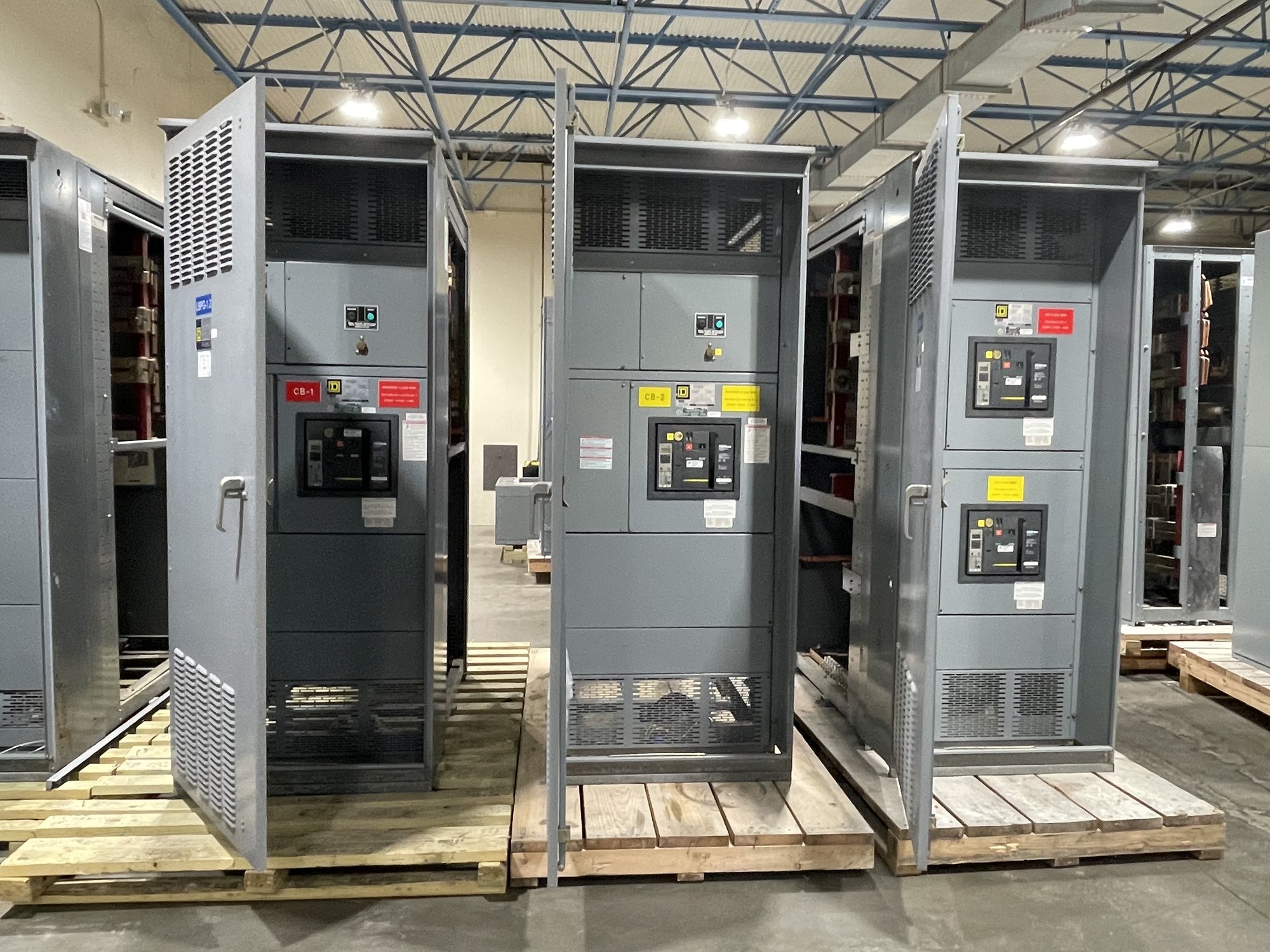
Plan access around the work
Start with what personnel must reach through each door: operating handles, controls, instruments, wiring compartments or service points. Identify which openings are used during normal operation and which are opened only for inspection or maintenance. This helps distinguish routine access from access that requires a controlled procedure, and clarifies which panels need hinges, removable fasteners or other arrangements.
Check the switchgear location and approach path, not just the enclosure drawing. Adjacent walls, cable trays, equipment rows and floor obstructions can limit door swing or block a technician’s stance. Provide available room dimensions and note any required aisle or egress constraints for engineering review. Door orientation and swing direction should be settled before fabrication, since late changes can affect layout and field coordination.
Match hinges and hardware to use
Hinge selection depends on door size, weight, frequency of use and the support available at the enclosure frame. Hardware may be concealed or externally mounted, fixed or removable, depending on the access plan and environment. Specify whether a door must remain attached during service, whether it needs to open fully, and whether maintenance clearance is limited. The assembly design can then be reviewed for suitable hinge placement and door support.
Handles, latches and fasteners should suit the expected operating sequence and the people responsible for access. Describe whether doors are opened with tools, keys or hand-operated hardware, and identify any facility keying or access-control requirements. Do not assume that a familiar handle or latch will fit every enclosure or serve as an electrical interlock. Confirm hardware functions and access boundaries against the equipment design and applicable project requirements.
Specify seals for the environment
The enclosure’s surroundings guide seal decisions. Describe indoor or outdoor placement, exposure to rain, dust, washdown, corrosive conditions, temperature variation or other contaminants. Include whether the switchgear is in a conditioned electrical room, an industrial process area or another setting. A seal’s suitability depends on the complete door and enclosure construction, so the intended environmental protection should be defined and reviewed as an assembly requirement.
Seal compression and continuity matter at corners, around cutouts and where doors meet adjacent panels. Hardware placement and door alignment influence whether a gasket can seat consistently after repeated opening. Share any required enclosure rating or project specification for engineering review rather than assuming that a particular gasket establishes an overall rating. Confirm the final construction and environmental scope for the specific order.
Coordinate interlocks and access sequence
Interlocks affect how doors and equipment can be accessed, so describe the intended sequence in plain operational terms. Identify which compartment doors are associated with switching devices, whether a door must remain secured under defined conditions, and how authorized service access is handled. Engineering review must determine whether a proposed mechanical or electrical arrangement is compatible with the equipment and the project’s operating procedure.
Avoid treating an interlock as a substitute for lockout, verification or qualified work practices. The project team should define who operates the equipment and what procedures govern opening compartments. Where door hardware interacts with operating mechanisms, provide the relevant device and compartment information so the design can be coordinated. Final arrangements require appropriate engineering review and acceptance by the authority having jurisdiction where applicable.
Prepare a quote-ready specification
For a useful quote, provide the equipment type and arrangement, enclosure location, door dimensions or drawings, required swing direction, access frequency, hinge preference, latch or keying needs, and any seal or interlock requirements. Include the project specification, applicable drawings and known clearance limits. If details remain open, identify the decision owner and the date by which the selection is needed; do not rely on assumptions about standard hardware.
Call out any site constraints that could affect fabrication or installation, such as narrow access routes, adjacent equipment or a required door-removal method. State which requirements are mandatory and which are preferences. This helps separate fixed project criteria from options for engineering review and reduces changes after fabrication planning begins.
Confirm delivery and handoff details
For Georgia projects, coordinate the expected delivery location, receiving access and unloading responsibilities with the project schedule. Nationwide shipping is available, but delivery arrangements, equipment scope and timing are confirmed for each order. Share site restrictions and receiving hours during quotation so the shipment plan can be reviewed alongside the door and enclosure configuration.
Before release, reconcile the approved drawings with the door schedule, hardware functions, seals, interlocks and access clearances. Record open questions and obtain the responsible engineering and project approvals before fabrication proceeds. Send the enclosure environment, access sequence, hardware preferences, drawings and Georgia delivery constraints with the quote request so the proposed configuration can be evaluated for this project.