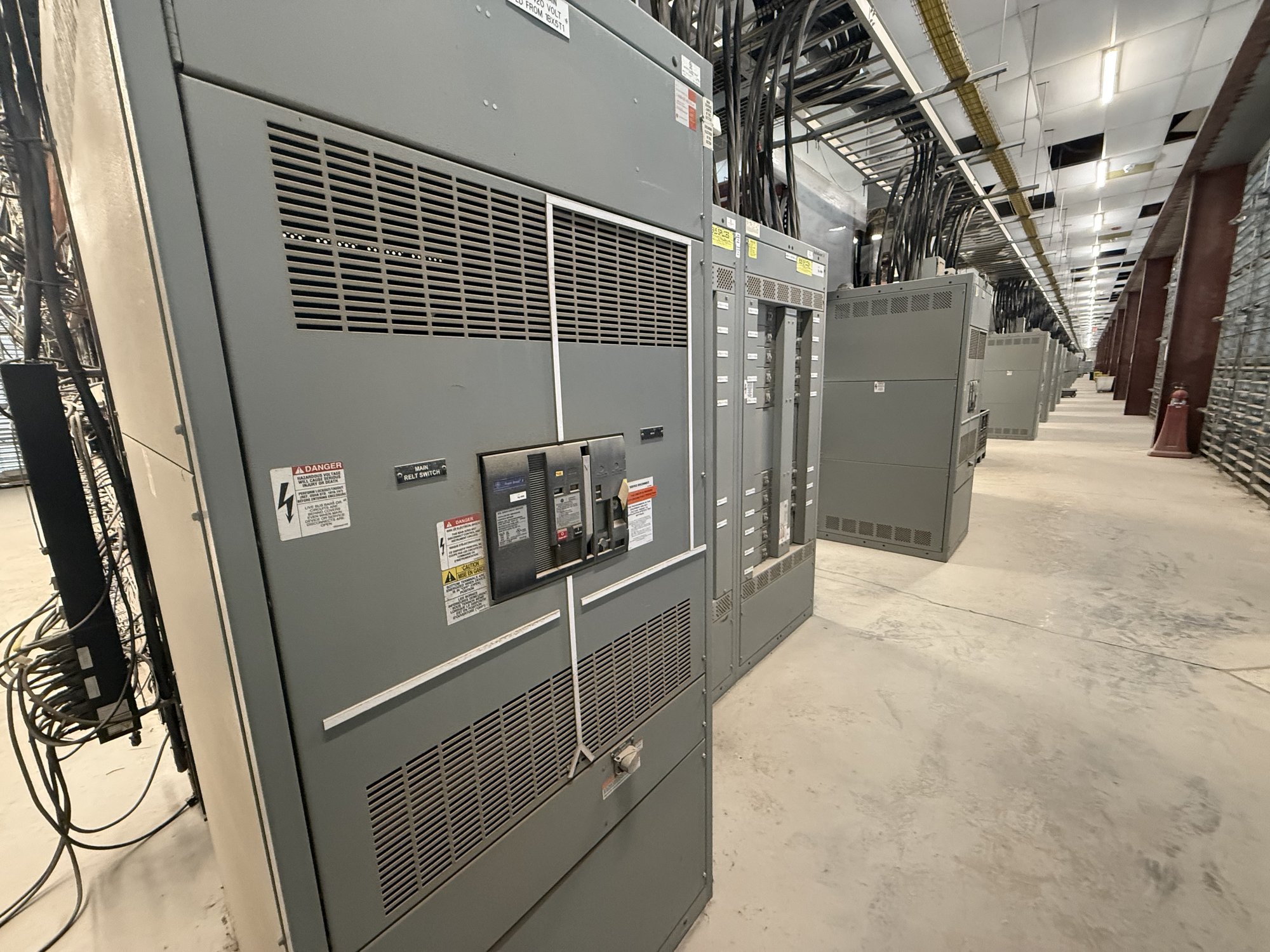
Set responsibilities before selecting equipment
Start with a responsibility map for the electrical service and distribution package. Identify who establishes the project criteria, who develops and approves the one-line diagram, who coordinates with the utility, who selects equipment, and who accepts submittals. A design-builder may manage procurement, but the engineer remains responsible for the design decisions assigned by the project documents and applicable professional requirements.
The owner should state operational priorities that affect selection, such as anticipated load growth, maintenance access, outage constraints, metering needs, and the importance of future expansion. The design-builder can then translate those priorities into scope and schedule requirements. Document who has authority to resolve conflicts, approve deviations, and release the equipment for production.
Resolve service requirements with the utility
Utility coordination can shape the equipment configuration before a purchase order is ready. Confirm the service voltage and arrangement, available fault-current information, point of delivery, metering responsibilities, transformer ownership, and any utility requirements for service entrance equipment. Ask whether the utility has reviewed the proposed service concept and what information it still needs.
The engineer should record confirmed utility criteria in the design documents and identify assumptions that remain open. The manufacturer can use that information to assess the requested assembly configuration, but should not be asked to infer utility rules or settle an engineering decision. If utility requirements change, define how the change will be reviewed for effects on design, cost, schedule, and equipment scope.
Make procurement decisions from coordinated documents
Before requesting a quote, assemble the current one-line diagram, equipment schedule, relevant specifications, available site and room constraints, and utility criteria. Clarify the required service and distribution functions, breaker or fusible arrangements, main and feeder provisions, metering and control needs, enclosure conditions, cable entry, and any specified future spaces. Where information is preliminary, label it clearly rather than presenting it as approved.
The engineer and owner should distinguish mandatory requirements from preferences and identify acceptable alternatives for review. Ask the manufacturer to quote the defined scope, list exclusions and assumptions, and identify information needed to finalize the configuration. Compare proposals against the same documents and scope; an apparent price or schedule advantage may depend on different equipment boundaries or unresolved design details.
Check physical fit and interface details
Design-build coordination must connect electrical documents to the building and installation plan. Verify the intended equipment location, access and working clearances, door and corridor routes, floor and anchorage conditions, cable approach, conduit zones, ventilation needs, and any environmental constraints. Confirm dimensions and interfaces with the project team before fixing room layouts or completing adjacent construction.
The engineer should review electrical ratings and protective-device coordination using project-specific system data, while the design-builder coordinates architectural, structural, mechanical, and construction interfaces. Do not treat UL 891 as a general certification for all switchgear: it is a standard for switchboard assemblies. Confirm the applicable product standard and project requirements for the specific equipment being specified.
Control submittals, changes, and release
Agree on a submittal path that gives the engineer and owner time to review drawings, equipment arrangement, electrical details, and exceptions before production release. Identify who consolidates comments and who issues the final approval. Review comments as coordinated decisions, not isolated markups, so a change to one device, compartment, or interface is checked against the complete assembly and project documents.
Record approved deviations and revisions in a controlled document set, including their effects on price, schedule, utility coordination, and field work. Exact configuration, component availability, and production timing are confirmed for each order. The manufacturer can build custom configurations and ship nationwide, including to Georgia; the project team should confirm the delivery destination, receiving conditions, unloading plan, and required delivery window.
Prepare a clear handoff to construction
Before shipment, align the approved equipment documents with the installation team’s needs. Confirm final drawings, connection and termination information, equipment identification, lifting and handling instructions, and the planned sequence for receiving and placement. The design-builder should coordinate delivery with site readiness and qualified electrical contractors, while the engineer retains the review and approval responsibilities defined for the project.
For a Georgia quote, share the project location, requested delivery timing, current one-line and specifications, utility status, room and access constraints, and the name or role of the party authorized to approve technical exceptions. State which decisions are final and which remain pending. This gives the manufacturer a defined basis to identify open items, price the requested scope, and support a coordinated handoff without assuming unconfirmed design requirements.