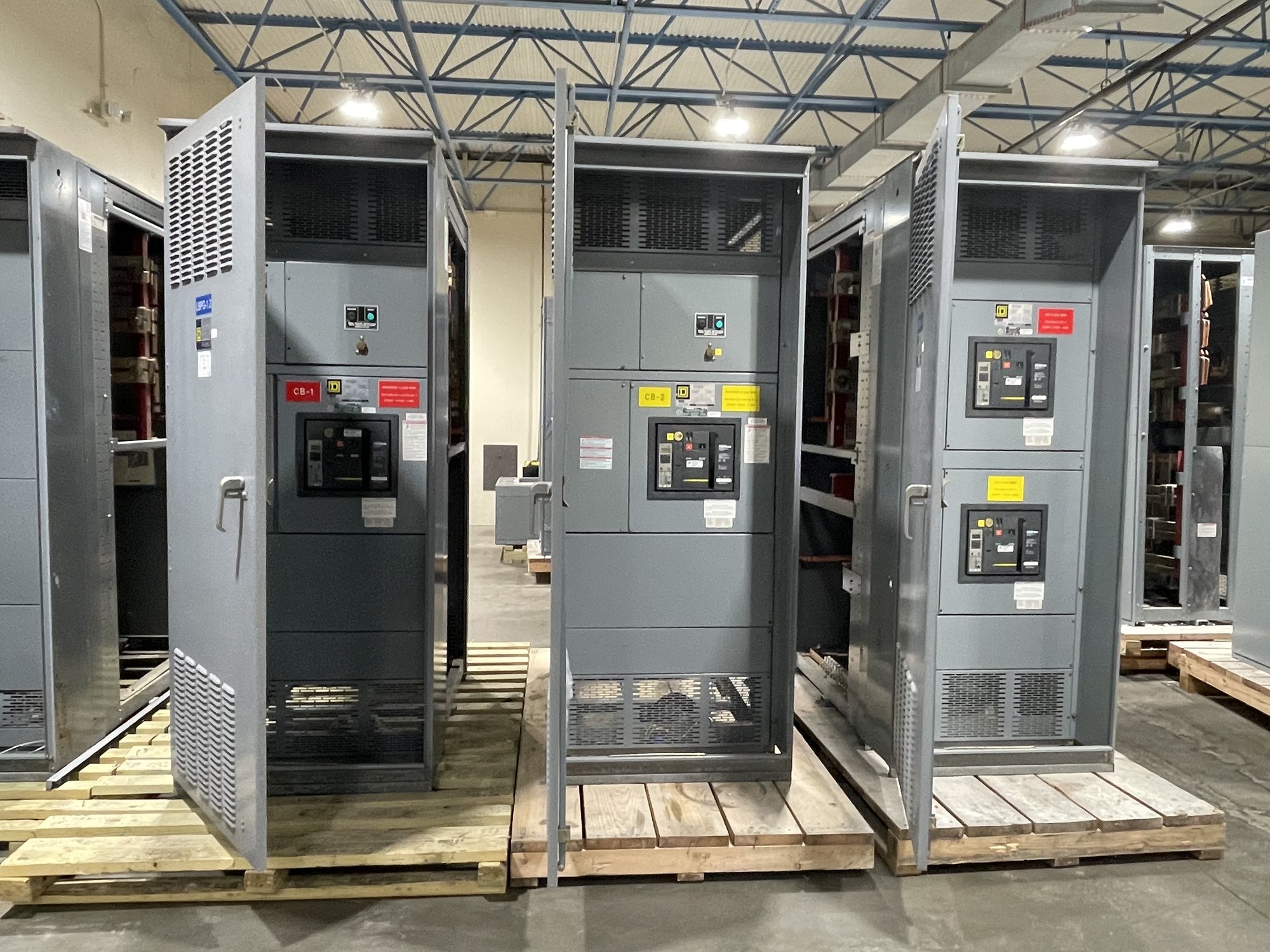
Start with electrical ratings and system conditions
Voltage, continuous current, short-circuit withstand or interrupting requirements, and the available fault current are fundamental cost drivers. Higher or unusual requirements can affect bus construction, protective devices, enclosure details, and the range of components that can be specified. Share the system voltage, one-line diagram, fault-current study or design basis, and any required future capacity so the manufacturer can evaluate the actual scope.
Environmental and installation conditions also matter. Indoor or outdoor service, ambient temperature, altitude, available space, cable entry direction, and the location of the equipment can influence enclosure construction and arrangement. Do not assume a rating from existing equipment is adequate for a replacement or expansion; have the responsible electrical engineer confirm design criteria and have the authority having jurisdiction review applicable requirements.
Choose components by function, not by label
Component selection affects both the initial equipment price and the work needed to integrate the assembly. The number and type of circuit breakers, feeder sizes, protective functions, metering, control power, and provisions for coordination with upstream and downstream devices all contribute. Identify which circuits need protection or monitoring and provide device schedules, settings requirements, and specified makes or acceptable alternatives where the project requires them.
A request for a particular component should be tied to a clear technical or operational reason. Compatibility with the existing distribution system, maintenance practices, available replacement parts, and coordination study can matter more than a broad preference for a premium option. Confirm whether devices are furnished, installed in the assembly, wired, and configured as part of the manufacturer’s scope; similarly named quote line items may cover different levels of completion.
Customization trades standardization for fit
Custom-built configurations can address constraints such as limited electrical-room dimensions, unusual cable approaches, existing bus interfaces, specific lineup arrangements, or specialized control and metering needs. Each requirement can change layout, engineering, fabrication, and documentation. Provide dimensioned room plans, equipment access routes, connection details, and interface drawings early; a compact footprint may create installation or maintenance constraints that need engineering review.
Standardized arrangements may reduce design complexity when they satisfy the project requirements, while unnecessary customization can add cost and review cycles. Ask which features are essential for operation, coordination, or the physical installation and which are preferences. For additions to existing equipment, supply verified drawings and field measurements rather than relying on assumptions about the original lineup. Final compatibility and design details must be confirmed for the specific order.
Define testing and documentation in the quote
Testing scope should be stated precisely because factory checks, project-specific inspections, and witnessed procedures are not interchangeable. Specify the tests, inspection records, witness requirements, submittals, and documentation required by the contract. For UL 891 switchboard assemblies, identify that requirement explicitly where applicable; UL 891 applies to switchboards and is not a blanket listing for medium- or high-voltage switchgear. Confirm the equipment type and applicable requirements during engineering review.
More extensive testing or witness arrangements can require additional planning, coordination, and documentation. Ask who supplies test criteria, who reviews results, whether customer or third-party attendance is required, and what records accompany shipment. Avoid relying on a vague phrase such as “fully tested.” A written, itemized scope lets procurement compare proposals on equivalent terms and helps prevent testing expectations from appearing after the order is released.
Separate equipment price from installation scope
A manufacturer’s equipment price may not include unloading, rigging, anchoring, field assembly, bus connections, cable termination, controls integration, commissioning, or removal of existing gear. Establish the boundary in writing and assign each task to the responsible contractor or project team. Site labor, access restrictions, outage windows, and construction sequencing can affect total installed cost even when they do not change the factory-built equipment.
For Georgia delivery, provide the job-site location, receiving hours, unloading capability, delivery access, and required delivery sequence when requesting a quote. Shipping arrangements and timing depend on the order’s confirmed scope and destination; do not assume delivery includes placement or installation. Coordinate equipment dimensions and shipment planning with the contractor before the site is ready to receive the lineup.
Prepare a comparable, buildable request
A useful quote package includes a one-line diagram, equipment schedule, ratings and fault-duty basis, required component functions, layout and connection information, testing and documentation requirements, installation-scope boundaries, and the requested delivery location. Note project milestones and identify items still under engineering review. The manufacturer can then confirm the proposed configuration, exclusions, availability, and timeline for that specific order rather than relying on unstated assumptions.
Before release, compare proposals line by line: verify ratings, device quantities, custom features, test scope, documentation, shipping, and field responsibilities. Resolve deviations while changes are still manageable, then align approved drawings and delivery planning with the contractor’s schedule. This disciplined handoff gives Georgia project teams a clearer view of equipment cost and helps keep procurement, engineering, and installation working from the same scope.