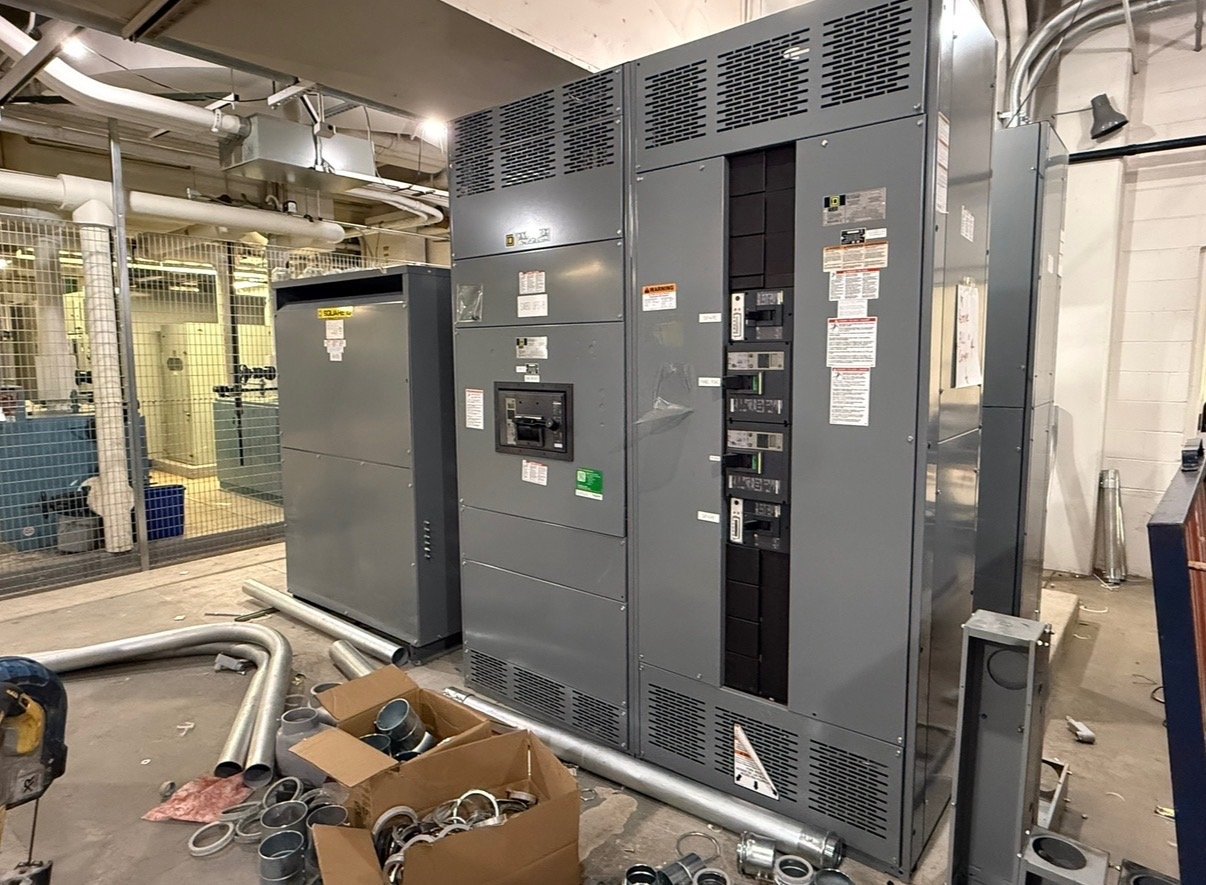
Use a budget estimate to plan, not to release an order
A preliminary estimate supports early decisions when the one-line diagram, equipment schedule, or site requirements are still developing. It can help a project team establish a working allowance, compare broad configuration choices, and identify which missing information could materially change the equipment scope. It is not a commitment to supply a particular lineup at a fixed price or on a confirmed schedule.
At this stage, describe the project as accurately as possible and label open assumptions. For example, clarify whether the estimate concerns a low-voltage switchboard assembly, whether metering or specific protective devices are under consideration, and whether the equipment is for new construction or a replacement. If ratings, dimensions, or accessory selections remain unknown, say so rather than treating a planning assumption as an approved design.
A formal proposal depends on a defined equipment scope
A supplier proposal can be meaningfully reviewed when the requested scope is specific enough to identify what is included and what remains outside it. Share the latest one-line diagram, load or circuit information, equipment schedule, and applicable project specifications when available. Identify the required system voltage, phase and wire arrangement, main and feeder requirements, and any stated fault-current or withstand criteria for engineering review.
Also provide enclosure and installation constraints, such as indoor or outdoor application, available space, cable entry preferences, environmental conditions, and access limitations. State requested metering, controls, communication interfaces, and accessories, distinguishing required features from preferences. A proposal should identify its stated basis and exclusions so the project team can compare like scopes rather than relying on a headline number.
Treat ratings and drawings as engineering decisions
The requested electrical ratings and protective-device details must be coordinated with the project design. A supplier needs the available system information and the responsible engineer’s requirements to evaluate a proposed configuration; an early estimate cannot resolve unknown fault-current conditions, select protection settings, or establish suitability for a particular installation. Final equipment details require appropriate engineering review and approval by the project team and relevant authorities.
For switchboard assemblies, UL 891 may be relevant to the requested product scope, but it is a switchboard standard, not a blanket listing for medium- or high-voltage switchgear. Identify the equipment type and required standards in the project documents, then confirm the exact proposal scope. Do not infer that every component, configuration, or voltage class is covered simply because the project references UL 891.
Compare proposals by assumptions, not just price
When evaluating supplier responses, check whether each one uses the same one-line revision, device count, ratings, enclosure assumptions, and accessory scope. Look for differences in included components, requested options, exclusions, and items marked for confirmation. A lower initial figure may reflect a narrower scope or unresolved details; it should not be treated as equivalent until those differences are reconciled.
Ask which inputs are still needed to firm up the proposal and which choices affect cost or schedule. Confirm whether drawings, submittal information, and any specified revisions are part of the offered scope. Exact configuration, availability, and timeline are confirmed for each order, so avoid carrying preliminary assumptions into a purchase commitment without written clarification.
Account for Georgia delivery and project handoff
For a Georgia project, provide the delivery city or site location, requested delivery window, receiving hours, unloading arrangements, and any site access or routing restrictions. These details help the supplier assess the shipping plan and identify logistics questions early. Nationwide shipping is available, but delivery timing and arrangements depend on the specific order; a planning estimate should not be read as a shipping guarantee.
Before release, align the approved equipment documents with the project’s latest design and procurement records. Identify who will review submittals, resolve technical comments, approve deviations, and coordinate delivery. Any change to ratings, circuit requirements, enclosure conditions, or accessories after proposal review can affect scope and timing, so route revisions through the responsible project and engineering leads.
Move from planning allowance to purchase decision
A useful quote request states whether the team needs a preliminary budget or a formal proposal, the project phase, the desired decision date, and the documents available for review. Include the equipment type, known electrical requirements, required options, installation constraints, Georgia delivery location, and a clear list of unresolved items. Note which requirements are mandatory and which can be evaluated as alternatives.
Use the estimate to set a realistic planning basis, then update the request when drawings and specifications are sufficiently defined. Before purchasing new equipment, compare the written proposal against the approved scope, confirm exclusions and open technical questions, and document the accepted configuration. This handoff gives procurement a firmer basis for commitment while keeping engineering review tied to the actual project.