Build the schedule from project requirements
Start with the required in-service date, then work backward through site access, installation, inspection, and commissioning milestones. A target date alone does not show when equipment must arrive: unloading restrictions, storage conditions, electrical-room readiness, and coordination with other trades can all affect the delivery window. Identify which dates are fixed and which can move before requesting a schedule.
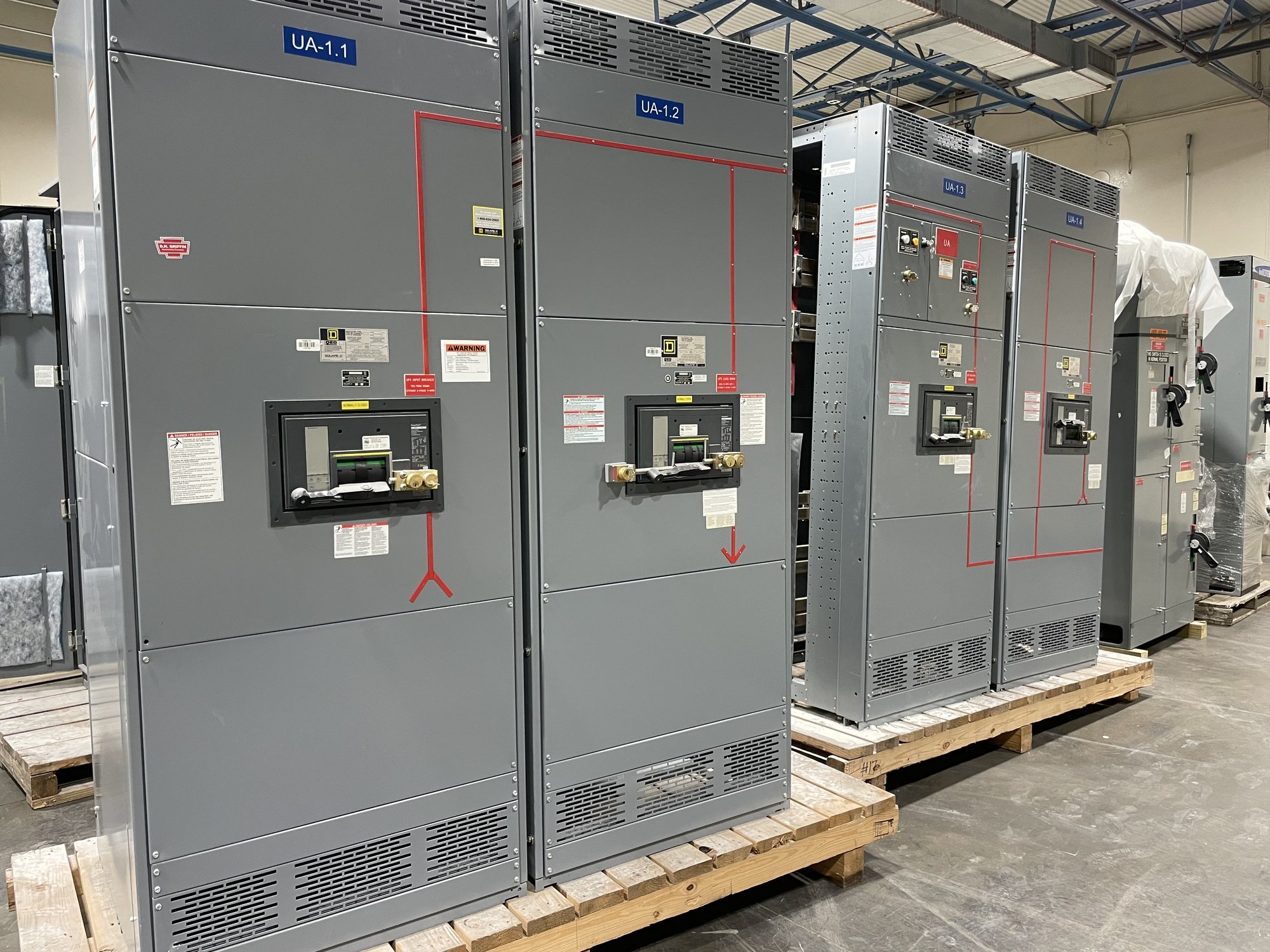
For a switchboard or other switchgear assembly, share the one-line diagram, applicable specifications, system voltage, service and feeder requirements, enclosure and access constraints, and project location. Explain whether the equipment is new construction, a replacement, or part of an expansion. These details help establish the intended scope and reveal missing information that may hold up engineering or procurement.
Treat approvals as a schedule milestone
Engineering review and drawing approval are active schedule steps, not administrative formalities. The project team should identify who reviews drawings, consolidates comments, and has authority to approve the final configuration. Separate required design decisions from preferences, and return coordinated comments through one channel to reduce conflicting revisions and repeated review cycles.
Confirm what drawings and submittals the project requires, when they are needed, and whether approval is required before production begins. Check details such as breaker arrangement, metering, control features, cable entry, bus connections, dimensions, and termination access against the project documents. Changes after approval can affect material orders and assembly sequencing, so document revisions and their schedule implications.
Resolve procurement constraints early
Component procurement can influence the schedule even after the design is understood. Specific breaker types, protective devices, metering, controls, and accessory choices may have different availability. American-made components are a focus, but availability and suitability depend on the approved design and order. Confirm the required functions and acceptable options with the project engineer before finalizing the bill of materials.
Ask which components are schedule-sensitive, whether substitutions require engineering or owner approval, and when those decisions must be made. A proposed alternative should be evaluated for electrical characteristics, coordination, dimensions, interfaces, and documentation—not treated as interchangeable solely because it performs a similar function. Exact sourcing, availability, and timeline are confirmed for each order.
Connect production and testing to release dates
Production can be planned only after the required technical information and approvals are sufficiently settled and materials are coordinated. Custom-built configurations may require distinct assembly steps, so clarify the scope, approved drawings, and any project-specific inspection or documentation requirements before establishing a production sequence. For UL 891 switchboard assemblies, confirm that the requested assembly scope and documentation align with the project specification; UL 891 is a switchboard standard, not a blanket qualification for other voltage classes of switchgear.
Testing and inspection also need a place in the project plan. Ask what tests and records are included for the ordered equipment, whether witness or hold points are specified, and who must attend or review results. Coordinate those requirements before the test date is set. Unresolved test procedures, late attendance arrangements, or requested changes can affect release for shipment.
Plan freight around Georgia site conditions
Shipping is a schedule phase with its own decisions. Provide the Georgia delivery address, receiving contact, requested delivery window, unloading capability, and any restrictions on truck access or site hours. Confirm whether the equipment will go directly to the project or to an intermediate location, and coordinate receiving arrangements with the installation contractor and site team.
Nationwide shipping is available, but a project schedule should use the confirmed order-specific shipping plan rather than assume a fixed transit time or delivery guarantee. Consider how the shipment will be received, inspected, protected, and moved to the electrical room. If the site cannot accept delivery until a particular date, communicate that constraint early so the planned dispatch and receiving window can be coordinated.
Create a usable schedule handoff
For a quote and schedule discussion, share the required arrival and energization dates, project location, one-line diagram, specification, equipment scope, approval process, submittal deadlines, and any required testing or witness points. Include known component preferences, acceptable alternatives, delivery restrictions, and the person responsible for consolidated approvals. If information is still pending, identify it and state when the team expects to resolve it.
Assign an owner to track drawing approval, procurement decisions, production readiness, testing, shipment, and site receipt, with a planned date for each milestone. Ask the manufacturer to confirm the order-specific assumptions, open decisions, and schedule once scope and availability are reviewed. This handoff gives Georgia project teams a practical basis for coordinating installation while making changes visible before they disrupt the critical path.