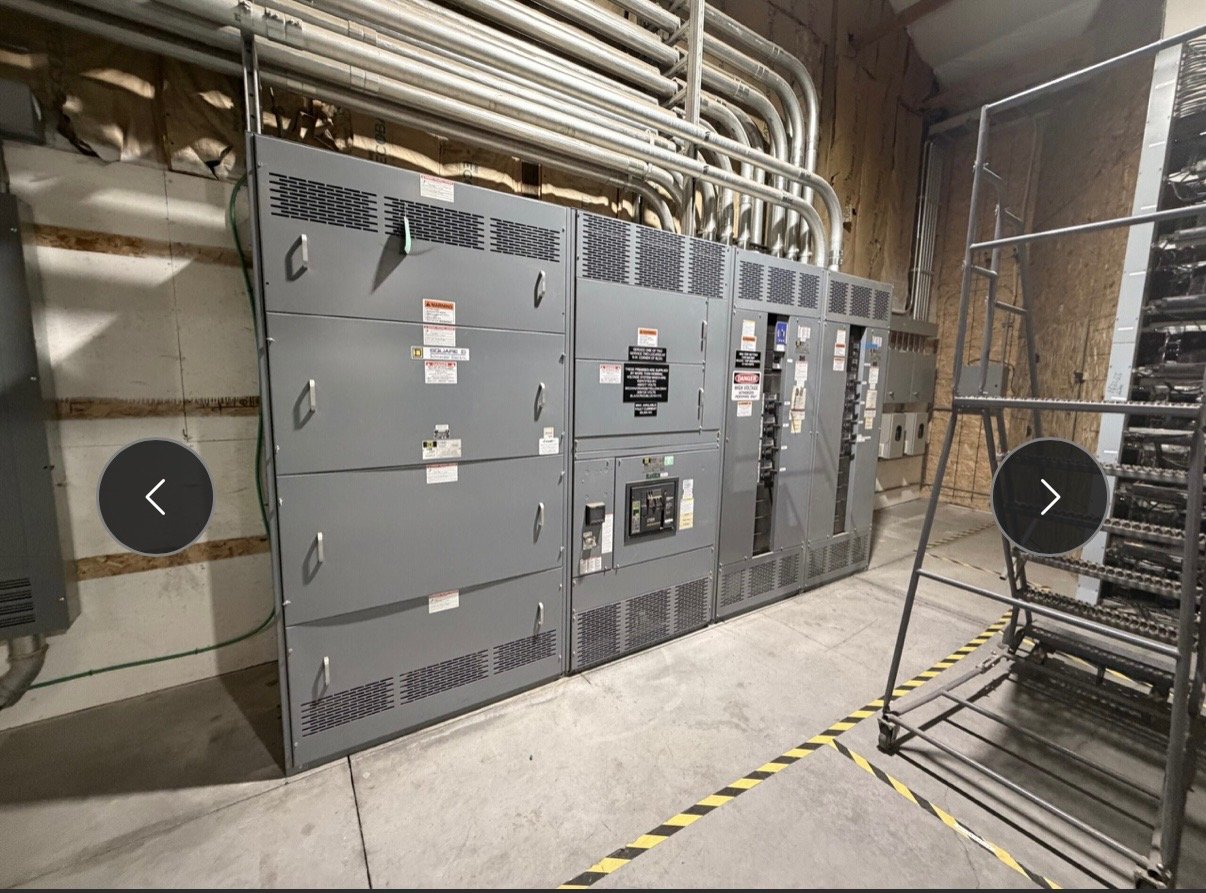
Map the exposure before selecting a finish
“Corrosive environment” can mean very different conditions: coastal salt carried inland, fertilizer or process chemicals, industrial fumes, washdown, persistent condensation, or outdoor pollution. Record where the switchgear will sit, whether it is indoors or outdoors, how often surfaces get wet, and whether contaminants settle as dust or arrive in spray. Nearby cooling towers, loading areas, chemical storage and cleaning stations can change exposure within the same facility.
For Georgia projects, account for humid seasons, temperature swings that encourage condensation, and coastal influence where applicable. Identify the actual contaminants and their concentrations when known; do not assume that a general-purpose coating will resist every chemical. Share safety data sheets for cleaning agents or process chemicals, plus site photographs and ventilation details. These facts help engineering evaluate the enclosure and finish without guessing at the environment.
Match enclosure materials and coatings
Enclosure substrate and coating are a system, not interchangeable checkboxes. Painted carbon steel may suit many controlled indoor locations, while stainless steel or other materials may be considered for more aggressive exposure. Selection depends on the contaminant, concentration, temperature, cleaning method, mechanical demands and cost. Stainless grades also differ in corrosion behavior; specifying “stainless” alone does not resolve the question. Coated surfaces require suitable preparation, coverage and care at edges, seams and hardware interfaces.
Describe the desired finish, color requirements, exposure, and any existing facility standard when requesting a configuration. Ask which enclosure material and finish are proposed, what surfaces receive the treatment, and how cutouts, fasteners, hinges and mounting interfaces are addressed. A coating can be damaged during handling or installation, and a compatible repair method may be needed. Confirm the approved approach for field touch-up rather than applying an unreviewed paint or sealant that could affect bonding, labels or fit.
Protect electrical interfaces and openings
Corrosion protection must account for more than the enclosure exterior. Moisture and contaminants can affect bus joints, terminals, grounding and bonding points, door hardware, cable entry areas and control components. Engineering should consider how the assembly is arranged, how conductors enter, and whether the installation exposes vulnerable interfaces to runoff, spray or residue. Gaskets and seals may reduce ingress in the intended configuration, but they do not compensate for unsuitable placement, blocked drainage or uncontrolled condensation.
Provide project requirements for the installation location, cable-entry direction, adjacent equipment, available clearances and expected maintenance access. Identify whether the gear sits near floor drains, exterior walls, process lines or washdown zones. Do not add field penetrations, coatings or sealants without design review; changes can affect enclosure integrity, heat dissipation, bonding or access. The final arrangement and applicable ratings must be reviewed for the actual application by qualified engineering personnel and the authority having jurisdiction.
Specify contaminants and cleaning practices
Cleaning can either control corrosion or accelerate it. Share how often the enclosure is washed, whether water is sprayed directly, and which detergents, disinfectants, solvents or descaling products are used. Include concentration, temperature and rinse practices where available. Chloride-bearing cleaners, trapped residues and aggressive scrubbing can challenge finishes and metals. If chemicals are used inside the facility, describe spills, vapor exposure and the controls that keep them away from electrical equipment.
Procurement documents should distinguish routine housekeeping from washdown exposure and state any required material or coating preferences. If the environment is uncertain, arrange a review with the facility’s process or environmental team before finalizing the specification. Avoid treating an indoor location as automatically benign: humid air, chemical vapors and condensation can combine even without direct spray. Any cleaning procedure near electrical equipment must follow facility safety rules and be performed only by qualified personnel under the required controls.
Plan inspections and preserve the protection
A useful maintenance plan looks for early coating damage, rust at edges or fasteners, pitting, residue, failed seals, blocked drains and signs of recurring condensation. Inspection frequency should reflect exposure, operating conditions and the equipment owner’s procedures, not an unsupported universal interval. Keep records of observed locations, cleaning products and repairs so a developing pattern can be corrected. Maintenance access should be considered during layout; inaccessible rear surfaces and cable compartments are harder to inspect and keep clean.
For repairs, identify the original substrate and finish and use a reviewed method compatible with the assembly. Do not cover corrosion or apply an improvised coating to energized equipment. Qualified personnel should determine the condition of electrical connections and establish any required isolation before inspection or corrective work. Procurement and facilities teams should clarify who owns periodic checks, coating repair and replacement of degraded seals before the equipment is placed in service.
Carry the exposure data through delivery
For a quote, provide the project location in Georgia, indoor or outdoor placement, known chemicals and cleaning agents, moisture or salt exposure, preferred enclosure material or finish, cable-entry details, and any facility specifications. Include drawings or photographs when available, plus the required configuration, project schedule and receiving constraints. These details let the manufacturer evaluate the requested build, identify open engineering questions and confirm scope, availability and timing for that order.
Coordinate delivery planning with the receiving site’s access, unloading arrangements, storage conditions and installation sequence. Protect the equipment from weather and construction contaminants while it is staged, and inspect packaging and visible surfaces on arrival. If the site conditions or finish requirements change after submittal, raise the change before production or shipment so its effect can be reviewed. Start the specification by documenting the contaminants and wetting conditions; that is the most actionable step toward corrosion protection suited to the actual Georgia installation.