Start with the operating sequence
Before specifying replacement control components, document how operators use the lineup from normal conditions through switching, testing, alarms, and abnormal events. Gather available elementary diagrams, wiring diagrams, sequence descriptions, control schematics, device schedules, and operating procedures. Mark revisions and note where field conditions may differ from the records; an old drawing alone does not establish the installed logic.
Describe the functions the modernization must preserve, such as permissives, electrical and mechanical interlocks, trip circuits, close and open commands, lockout functions, and status indications. Identify the equipment boundaries and operating modes involved. This functional baseline lets engineering compare the existing sequence with the proposed one, rather than assuming a replacement relay, programmable controller, or panel will behave the same way.
Verify interlocks and safety functions
Interlocks can prevent an operation under defined conditions, but their actual purpose and dependencies need verification against the equipment, drawings, and approved operating practices. Trace the relevant inputs, logic, outputs, and failure responses. Confirm which functions are hardwired and which depend on electronic logic, communications, auxiliary power, or external devices. Record unresolved discrepancies for engineering review instead of silently reproducing them.
Define how the project will validate each required function before return to service. The plan may call for point-to-point checks, logic review, simulated inputs, functional tests, and documented acceptance criteria, as appropriate to the design. Qualified personnel must perform installation and testing under approved procedures. Any change affecting protection, interlocking, or operation requires review by the responsible engineer and the applicable authority; a control update does not itself establish code compliance or safe operation.
Choose the right modernization scope
A focused panel refresh may replace aging relays, terminal blocks, wiring, or indication devices while retaining verified logic and field interfaces. A broader update may revise control architecture, alarm handling, operator displays, or communications. Scope depends on component condition, available documentation, obsolescence, outage constraints, and whether the existing scheme can be tested and supported. Do not select a new control platform until its interfaces and failure behavior are understood.
For a custom-built assembly, specify the functions and interfaces rather than relying only on a panel label or desired component brand. Identify control power, operating voltages, contact requirements, available space, terminal conventions, enclosure constraints, wiring entry, and required external signals. State whether the work includes a new control panel, replacement logic, revised drawings, factory checks, or integration with existing switchgear. Exact configuration and availability are confirmed for each order.
Preserve usable operator procedures
Operators need procedures that match the final controls, indications, alarms, and sequence—not merely the previous panel with updated labels. Review normal switching steps, permissive conditions, alarms, local and remote control, abnormal indications, and any manual fallback process. If a display or control location changes, update the procedure and labels so staff can identify the intended device and confirm the equipment state.
Plan training and handoff around the approved operating sequence and the people authorized to operate the equipment. Provide the final control narrative, marked-up and as-built drawings, device identification, test records, and revision history specified for the project. Where a function or indication remains uncertain, record the limitation and route it for resolution before adopting the revised procedure. Clear documentation reduces ambiguity during later maintenance and future control changes.
Plan procurement, outage, and Georgia delivery
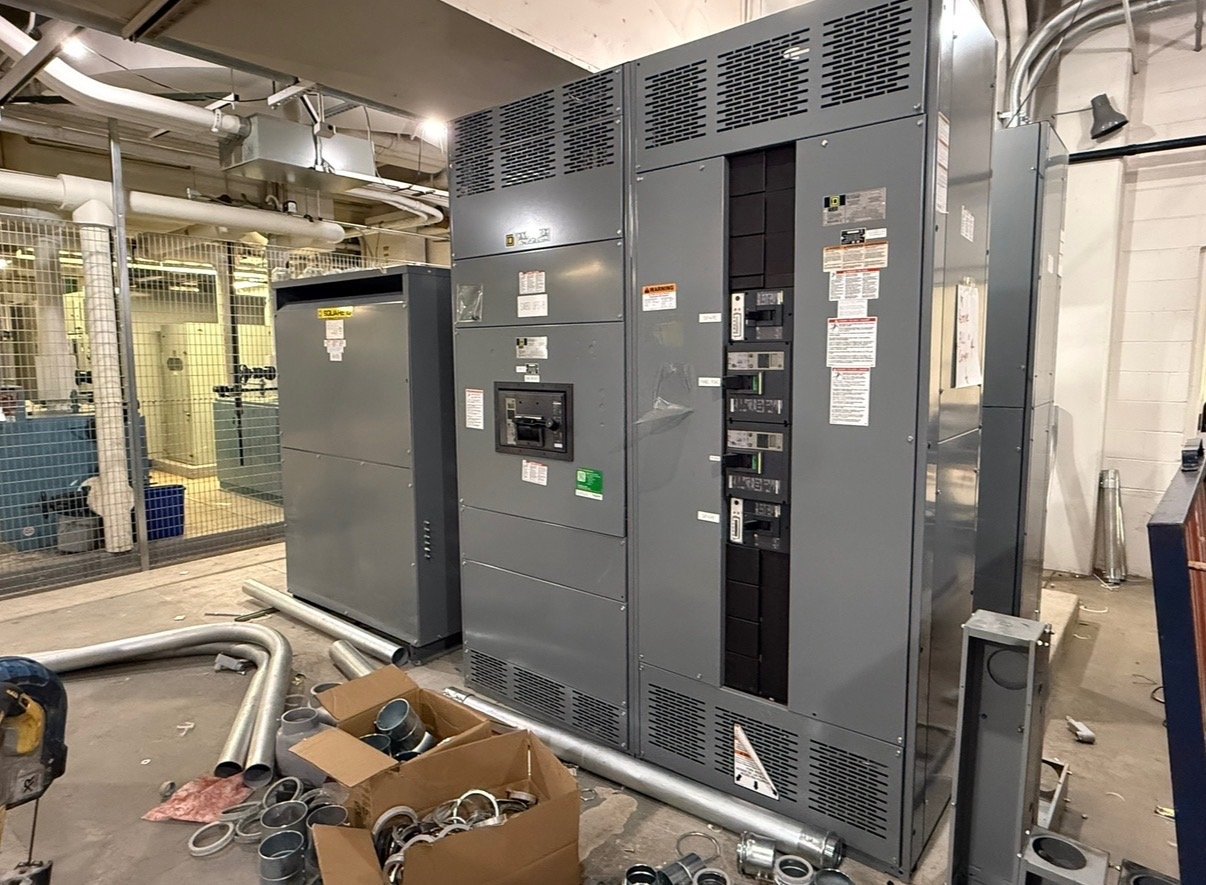
For a quote, share equipment identification, lineup and panel photographs where permitted, available drawings, control voltage, known device information, the functions to retain or change, and the desired project boundaries. Include the site location in Georgia, receiving constraints, requested delivery window, outage assumptions, and whether existing equipment dimensions or cable entry must be matched. Note missing records and any known discrepancy so engineering can identify questions before configuration is finalized.
Coordinate procurement with the outage plan. Confirm what must be removed, what can be assembled and checked before shipment, what field interfaces remain, and who will approve drawings and acceptance criteria. American-made components, short lead times, and nationwide shipping may support project planning, but component availability and timing depend on the specified configuration and are confirmed for the order. Georgia delivery should be scheduled against site access, unloading arrangements, and the planned installation sequence.
Close the loop before return to service
Set a handoff point at which the approved logic, panel wiring, labels, and operator documents are reconciled with the delivered configuration. Resolve drawing comments, record any approved deviations, and identify the records the facility will retain. Confirm test responsibilities, required witness points, and how open items will be handled. The equipment must not be treated as ready for operation until qualified personnel complete the approved work and the responsible parties accept the documented results.
To begin a practical scope, assemble the current diagrams, a written operating sequence, a list of functions that must remain unchanged, and the known outage and delivery constraints. Ask engineering and procurement to review those materials together before selecting replacement controls. This gives the project a traceable basis for preserving verified interlocks, safety functions, and operator procedures while updating only the parts that need modernization.