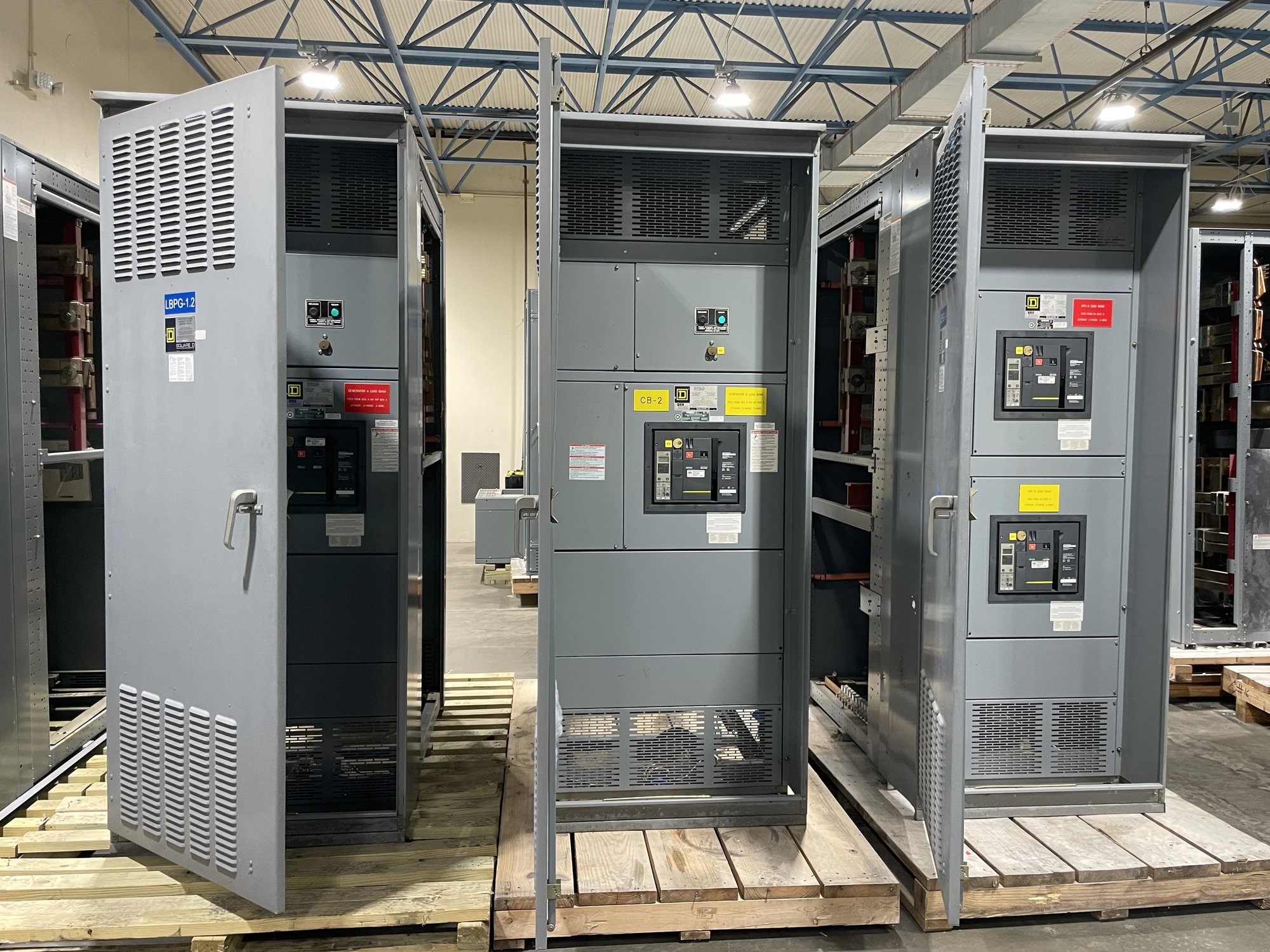
Turn the solicitation into a clear equipment scope
Start with the issued electrical plans, one-line diagram, panel schedules, specifications, and all applicable addenda. Identify whether the requested equipment is a low-voltage switchboard, switchgear lineup, or another assembly; these terms are not interchangeable. Include system voltage, phase, wire configuration, main and branch device requirements, bus details, enclosure conditions, metering, and specified accessories when they are established by the design.
Mark requirements that remain open for engineering confirmation rather than filling gaps with assumptions. For example, confirm available fault-current information, service entrance provisions, utility interface requirements, and space or cable-entry constraints with the project engineer. A UL 891 requirement may apply to a switchboard assembly where specified; it should not be used as a blanket qualification for medium- or high-voltage switchgear.
Build bid documents that support an apples-to-apples review
A useful equipment bid package states the required configuration and identifies which documents bidders must return. Depending on the solicitation, these may include a compliance matrix, exceptions or deviations, outline dimensions, connection details, device schedules, and preliminary drawings. Specify the required format, submission deadline, and whether alternatives are permitted. If substitutions are restricted, make that condition explicit and identify the approval process.
Separate mandatory requirements from preferences, and distinguish equipment scope from field work by others. State who is responsible for engineering review, installation, terminations, testing, commissioning, and coordination with the electrical contractor or utility. Where the design is incomplete, document what information is pending and how it will be resolved before release for manufacture. Clear boundaries make technical evaluations and later change reviews more dependable.
Confirm origin and funding conditions before award
Government procurement can carry domestic-origin, funding-source, grant, or other project-specific purchasing conditions. The applicable solicitation and funding documents control; requirements vary by agency and project. Do not treat “American-made” as proof that every component satisfies a particular origin rule. Ask which statute, clause, or agency provision applies, what parts or manufacturing steps it covers, and what form of evidence the purchaser requires.
For a quote, identify the requested origin documentation and any required manufacturer declarations, component disclosures, or certifications. Confirm whether the rule applies to the complete assembly, specified components, or a defined percentage of project content, and whether exceptions or waivers are available to the contracting authority. The manufacturer can clarify equipment scope and available documentation for the proposed configuration, but the purchaser and project officials must determine applicability and acceptability under the governing procurement terms.
Resolve technical and commercial review points
Before submitting a request for pricing, share the bid specification and addenda, drawings, equipment schedule, project name or reference, required submittal list, and bid or award milestones. Include the destination in Georgia, delivery access constraints, requested shipment timing, and the name or role responsible for technical questions. Flag required forms, bid validity terms, liquidated-damages provisions, and any restrictions on exceptions so the quotation can be prepared against the actual solicitation.
Review quoted scope line by line against the procurement documents. Check device counts and functions, bus and enclosure requirements, metering, communications interfaces, included documentation, and stated exclusions. Compare deviations with the engineer before award rather than assuming a quoted alternative is acceptable. Price, availability, and production timing depend on the final configuration and order requirements; exact scope and schedule are confirmed for each order.
Coordinate submittals, release, and Georgia delivery
After award, establish a documented path from approved submittals to release for manufacture. Confirm who may approve drawings, how comments are returned, and whether changes require written authorization. Align the approved equipment documents with the project’s procurement file, including applicable origin records and revision history. Changes to devices, dimensions, interfaces, or specified materials can affect engineering, cost, and schedule, so route them through the designated project review.
For Georgia delivery, provide the complete ship-to address, receiving contact, site access and unloading conditions, delivery restrictions, and any required appointment or packaging instructions. Coordinate the shipment date with site readiness and the electrical contractor’s installation sequence. Nationwide shipping is available, but the delivery plan and timing are confirmed for the specific order; do not treat a requested date as a guarantee until it is agreed.
Prepare a complete request for quotation
A concise procurement package helps identify both the equipment and the public purchasing conditions that govern it. Send the current specification and drawings, all addenda, required bid forms, origin clauses, requested submittals, and delivery details together. Note open engineering questions, acceptable alternatives, approval authority, and the date by which pricing and technical documents are needed. If information is not yet available, identify it as pending rather than implying a confirmed requirement.
Before requesting a final quote, ask the project engineer and procurement officer to reconcile technical requirements with funding and origin clauses, then confirm who will evaluate exceptions and approve submittals. This gives the manufacturer a defined basis to price a new, custom-built assembly and return relevant documentation. It also gives the Georgia project team a clearer handoff from bid evaluation through approved design, order release, and coordinated delivery.