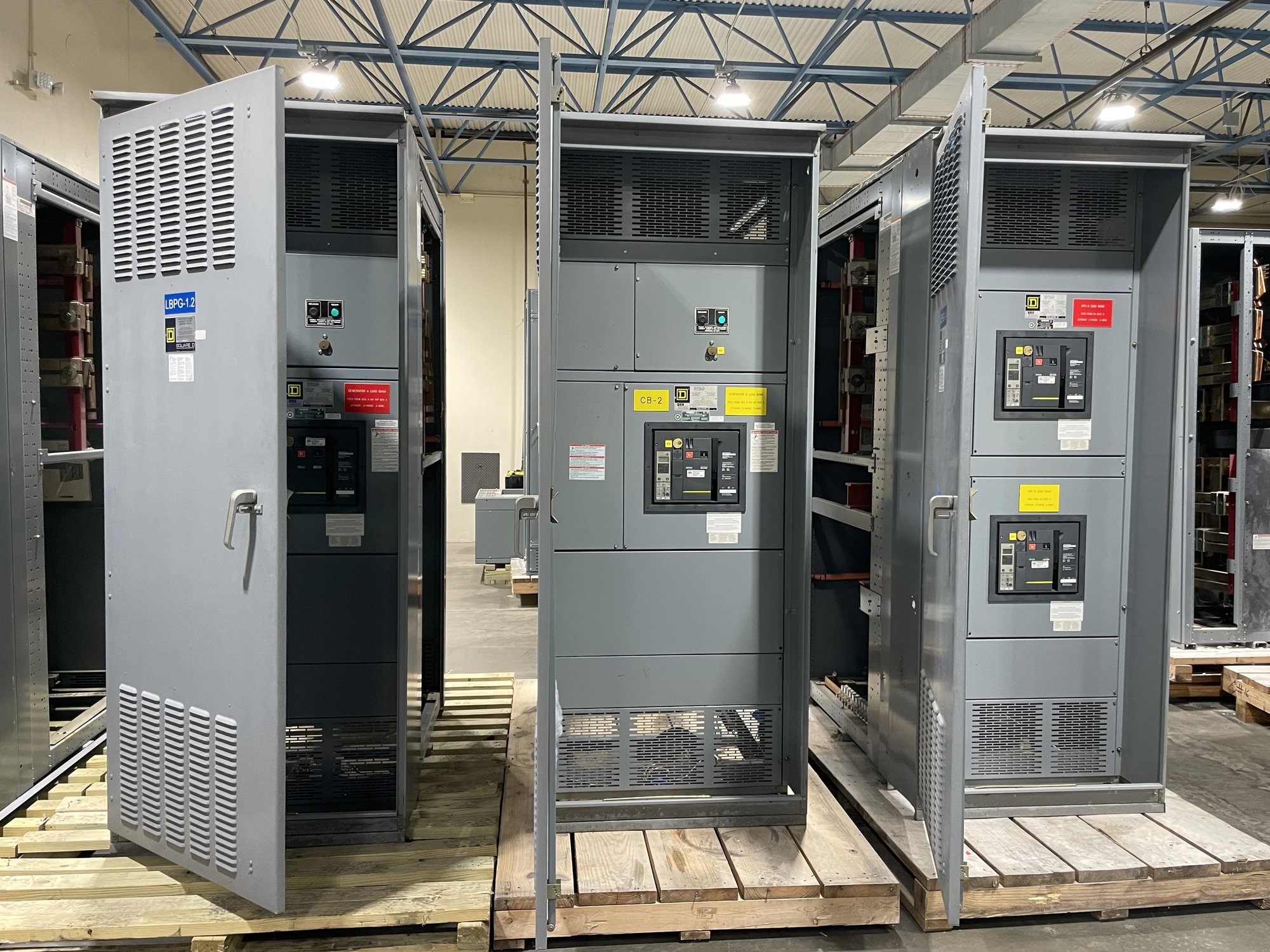
What BIL means
Basic insulation level, commonly shortened to BIL, expresses an insulation system’s ability to withstand a specified high-voltage impulse. In North American power-system practice, the term is generally associated with a standard lightning impulse waveform and a crest voltage stated in kilovolts. It is not the normal operating voltage, a continuous-voltage rating or a prediction of the highest surge a particular installation will experience.
BIL is useful because it gives engineers a common basis for comparing insulation withstand capability with expected transient stress. The stated level applies within the conditions and test methods relevant to the equipment and its insulation design. It should be read alongside rated voltage, clearances, insulation medium, test requirements and the equipment documentation, rather than treated as a stand-alone guarantee against every overvoltage.
Impulse withstand and overvoltage exposure
An impulse is brief compared with the power-frequency voltage present during normal operation, but its crest can impose substantial electrical stress. Lightning-related surges may enter through overhead conductors or arise from nearby events; switching operations can also create transient overvoltages. Exposure depends on the system, grounding, line configuration, protective devices and operating conditions. A site in Georgia cannot be assigned a suitable BIL from location alone.
Impulse withstand describes the equipment’s ability to tolerate a defined transient under specified test conditions. It does not establish that the system will never experience a higher surge, nor does it replace surge protection or coordination studies. Engineers assess the likely overvoltage environment and compare it with equipment withstand capability, including the operation and location of surge arresters where applicable.
Keep voltage class and insulation level distinct
The system’s nominal voltage, the equipment’s rated maximum voltage and its BIL are related design inputs, but they are not interchangeable numbers. Equipment at the same nominal system voltage may have different insulation requirements because of grounding, switching exposure, line connection, protective-device arrangement or governing project criteria. A specification should state the applicable voltage class and required impulse withstand explicitly.
Do not assume that a switchboard standard or assembly designation establishes a BIL for every product. UL 891 applies to switchboard assemblies; it is not a blanket listing or insulation-level rule for medium- or high-voltage switchgear. Confirm the applicable product standard, construction scope and test basis for the exact equipment being specified, and have the responsible engineer resolve any ambiguity before release.
Coordinate insulation with protection and installation
Insulation coordination is a system-level decision. The engineer considers expected surges, protective-device characteristics and placement, grounding method, conductor routing and the withstand capability of connected equipment. An arrester’s protective level and the electrical distance between it and the equipment matter; selecting an arrester by voltage alone does not demonstrate adequate protection at the switchgear terminals.
Installation details can affect the assumptions behind a design, including incoming line arrangement, cable or bus connections, enclosure configuration and exposure to outdoor conductors. Changes to these conditions can alter the analysis. The design team should document the assumptions used to select the impulse level and review them when the one-line diagram, service arrangement or protective scheme changes.
Questions to settle before procurement
For a quote, provide the nominal system voltage, equipment type and intended application, required rated maximum voltage, specified BIL or impulse withstand, and the standard or project specification governing those values. Share the latest one-line diagram, grounding information, incoming connection details, available protective-device data and any owner or utility criteria that affect the insulation coordination.
Also identify environmental and installation conditions, enclosure needs, required tests, connection orientation, space constraints and the project schedule. If the specification gives conflicting values or omits the impulse level, flag that gap rather than asking a manufacturer to infer the engineer’s intent. The exact configuration, component availability and build timeline are confirmed for each order.
Close the design and delivery handoff
Before equipment release, align the approved drawings and purchase documents on voltage class, insulation withstand, connections, protective-device interfaces and required documentation. The engineer of record should resolve technical selections and coordinate them with the authority having jurisdiction where applicable. Manufacturer review can confirm that the proposed build matches the released scope; it does not replace system studies or project approvals.
For Georgia projects, provide the delivery location, receiving constraints, unloading plan and required arrival window when requesting a proposal. New switchgear can be custom-built and shipped nationwide, with the order scope and schedule confirmed for the specific project. The practical next step is to send the current one-line and insulation requirements together, so engineering and procurement can identify open decisions before the configuration is finalized.