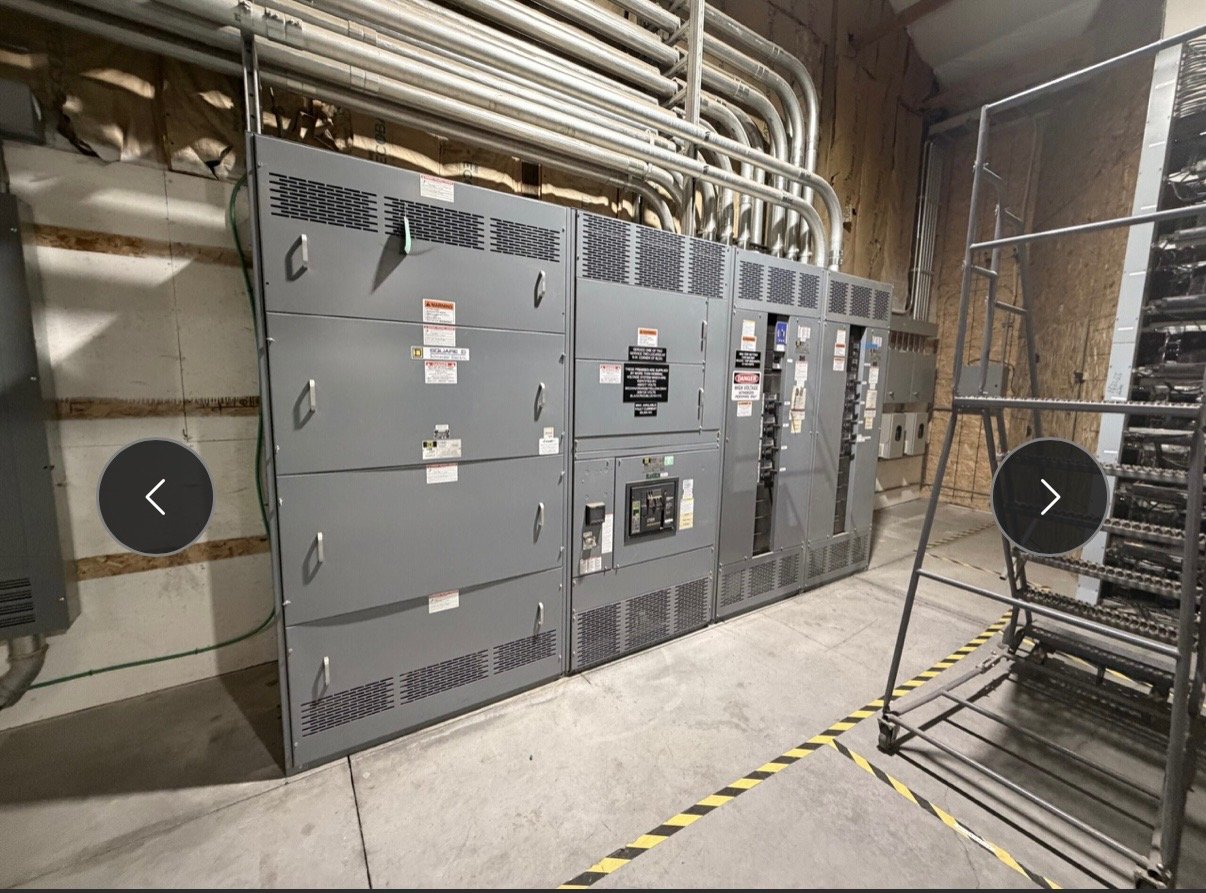
Two insulation paths, two different concerns
Air clearance is the shortest distance through air between conductive parts at different electrical potentials. It helps prevent a disruptive discharge across the gap. Creepage distance is the shortest path along the surface of solid insulation between those parts. It addresses surface tracking, which can develop as contamination and moisture create a conductive path. The measurements may involve the same two conductors, but they are not interchangeable.
A layout can have ample space through air and still provide an inadequate surface path, or the reverse. Barriers, insulating supports, conductor shape, and component placement affect the available distances. Engineers evaluate the actual geometry and insulation system, not just a nominal gap shown on a simplified one-line diagram.
Conditions that influence required distances
Voltage, impulse exposure, overvoltage category, and the insulation coordination method can affect air-clearance requirements. Creepage selection also depends on the insulating material and the expected pollution conditions at its surface. Dust, condensation, corrosive residue, and other contaminants can change the risk of tracking. Altitude matters because lower air density can reduce the withstand capability of a given air gap.
The relevant assumptions depend on the equipment type, installation environment, and applicable product standard. A clean indoor electrical room is not automatically equivalent to a damp, dusty, or chemically aggressive location. Georgia projects should identify the intended setting, including any outdoor exposure, ventilation limitations, or building conditions that could affect moisture and contamination.
Apply the right standard to the equipment
The governing requirements depend on the assembly and its intended use. UL 891 applies to switchboard assemblies; it is not a blanket listing for medium- or high-voltage switchgear. Applicable UL requirements, other relevant standards, adopted electrical codes, and project specifications must be reviewed for the actual equipment. The design team should identify the required standard and edition rather than assume one clearance rule covers every assembly.
Standards may specify or reference test methods, insulation coordination criteria, construction requirements, and acceptable means of demonstrating performance. A stated distance alone does not establish compliance. The manufacturer’s engineering review must consider the complete assembly and its intended ratings, while the engineer of record and authority having jurisdiction determine project requirements and acceptability.
Review the assembled geometry, not one dimension
Bus spacing, phase barriers, terminal locations, cable compartments, and component mounting all influence the final insulation paths. Sharp edges, fasteners, bends, and openings can change the shortest air route. Surface ribs or molded features may lengthen a creepage path, but only when their geometry and material are appropriate to the design. Moving a device or changing a barrier can affect both distances and service access.
Coordination is especially important when the switchboard connects to existing equipment or when cable entry and termination space are constrained. Drawings should show conductor arrangement, barriers, insulation materials where known, and relevant interfaces. Review clearances at transitions and around terminals, not just in a typical bus section, because local geometry may control.
Questions to settle before requesting a quote
Share the system voltage, required ratings, equipment type, governing specifications, and any named standards or editions. Describe the installation environment, altitude if known, indoor or outdoor conditions, and concerns such as condensation, dust, or corrosive exposure. Include one-line diagrams, layouts, cable-entry requirements, interface dimensions, and any project criteria for insulation coordination or testing.
Also identify whether the design is new, an extension, or a replacement, and explain constraints that affect barriers, bus arrangement, or component locations. If assumptions remain open, mark them for engineering review rather than substituting an unverified clearance value. These details help define a custom-built configuration and clarify what drawings and technical decisions must be resolved before release.
Carry approved assumptions through delivery
For a Georgia project, confirm the delivery destination, site access, unloading arrangements, and required delivery sequence with the project team. Nationwide shipping can support Georgia destinations, but route, schedule, and handling details are confirmed for each order. Preserve the approved drawings and insulation assumptions through procurement, fabrication, inspection, and installation so field changes do not unintentionally alter the designed paths.
Before requesting pricing, assemble the applicable standards, voltage and environmental conditions, interface drawings, and unresolved design questions in one package. Ask the manufacturer to identify assumptions requiring engineering confirmation, then coordinate the reviewed design with the engineer of record and authority having jurisdiction. This creates a clearer basis for a new switchboard quotation and project handoff.