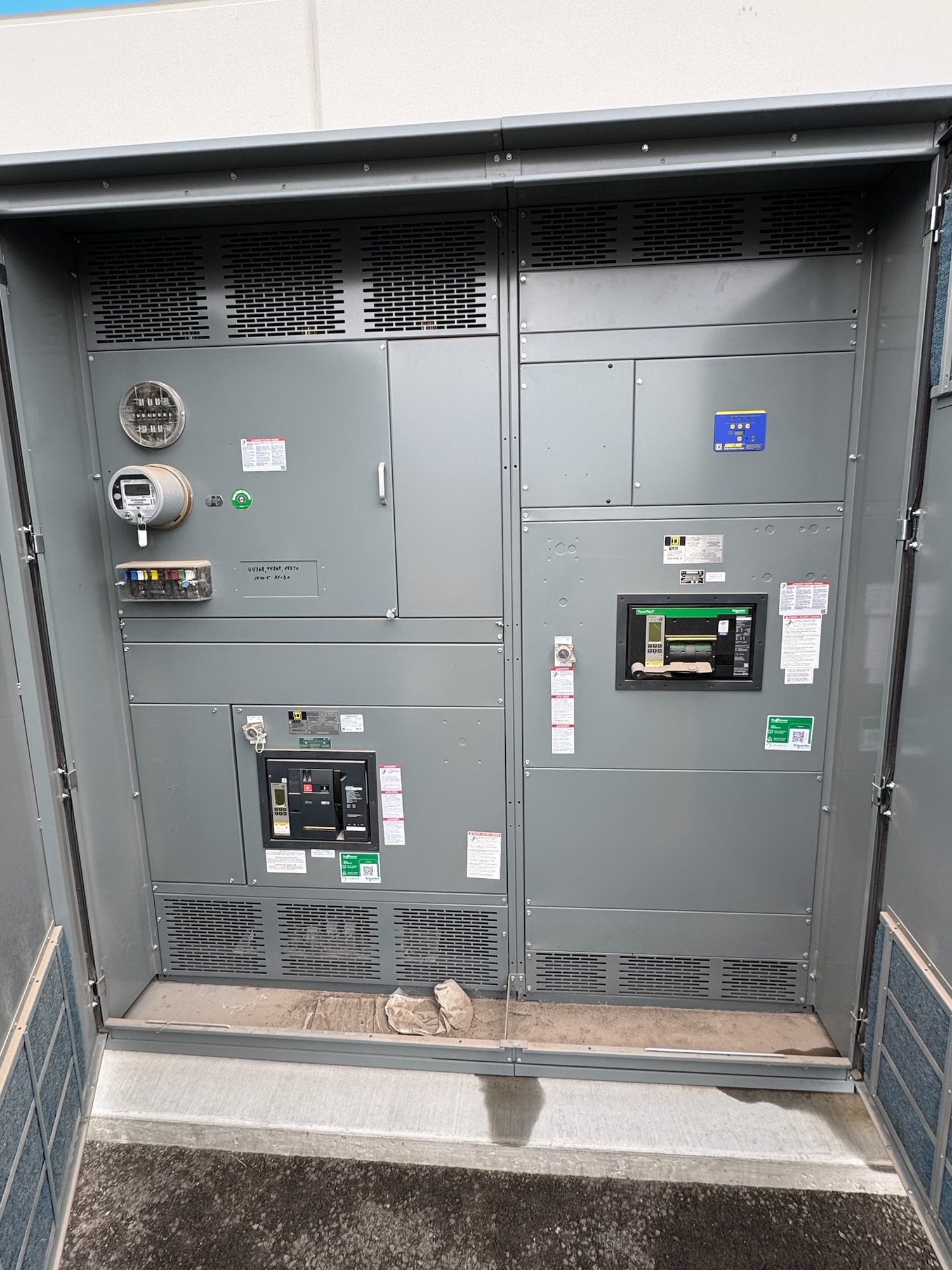
Start with the system voltage, not a familiar label
Record the nominal voltage at the point where the equipment will connect, then confirm the actual system configuration with the one-line diagram and utility or facility engineering information. A label such as 480 V or 4.16 kV is a starting point, not a complete specification. Identify whether the system is three-phase, its grounding method, and the equipment location in the distribution system.
Distinguish normal operating voltage from conditions that affect equipment selection. Ask whether the system can operate above nominal voltage, whether a transformer or generator changes the source, and whether the proposed gear serves a service entrance, feeder distribution, motor load, or another function. Those details help determine the applicable equipment class and prevent selection based on an assumed application.
Compare voltage class with maximum equipment voltage
Equipment voltage class and maximum voltage are related but not interchangeable terms. The system’s nominal voltage describes its intended operating level; the equipment maximum-voltage rating identifies the highest system voltage for which the equipment is designed under its specified conditions. The selected equipment must suit the system and the governing design criteria, including applicable standards and project requirements.
Do not choose a higher class simply because it appears to provide extra margin, or a lower one because the nominal numbers seem close. A class change can affect dimensions, insulation coordination, component selection, clearances, and cost. Have the engineer of record confirm the required class against the actual system voltage and design basis, then state both nominal voltage and required maximum equipment voltage in the equipment specification.
Check insulation and system conditions together
Voltage selection also depends on insulation requirements and the electrical environment. Provide the specified insulation level or dielectric withstand criteria when the project documents define them, along with the system grounding method and any known exposure to switching surges or lightning-related overvoltage. These inputs support engineering review; they should not be replaced with assumptions based only on nominal voltage.
Describe the installation environment that may affect insulation performance or equipment configuration, such as indoor or outdoor location, altitude, temperature, moisture, dust, and available space. Do not infer a particular insulation design from a broad voltage label. The manufacturer and project engineer need the site conditions and applicable design requirements to assess the proposed assembly and identify any information that remains unresolved.
Match the application and related ratings
The same voltage class can serve different applications, so specify what the assembly must do. Identify incoming and outgoing sources, feeder count, load types, transfer or tie arrangements, metering needs, and any required protective devices. Include available fault-current information and the required short-circuit ratings; voltage class alone does not establish interrupting capability or suitability for the system.
For low-voltage switchboards, UL 891 applies to switchboard assemblies. It is not a blanket listing for medium- or high-voltage switchgear. State the requested product type and applicable project standards clearly, and have the engineer and authority having jurisdiction review the complete design. Do not assume that a standard, rating, or approval for one assembly automatically applies to another voltage class or product category.
Give procurement a complete basis for quotation
A useful quote package includes the one-line diagram, nominal and maximum system voltage, phase and frequency, grounding method, source information, fault-current data, required insulation criteria, environmental conditions, and the intended application. Add the project specification, preferred equipment arrangement, control or metering requirements, and any dimensional or connection constraints. Mark preliminary information as such so engineering review can distinguish confirmed requirements from open questions.
Ask the project team to resolve discrepancies between drawings, schedules, and specifications before release. If the source voltage or system configuration is still under study, identify the alternatives and the date when a final basis will be available. Configuration, component availability, and production timing are confirmed for each order; a clear technical basis helps limit rework but does not establish a delivery commitment by itself.
Coordinate review and Georgia delivery
For a Georgia project, share the delivery city or site location, requested receiving window, unloading constraints, and whether the route or building access imposes limits on equipment dimensions. These details help coordinate nationwide shipment of the specified new assembly with the project schedule. Confirm the final shipping arrangement and timing for the order rather than assuming a standard delivery interval or site capability.
Before releasing the purchase specification, have the responsible engineer confirm that nominal voltage, maximum equipment voltage, insulation criteria, application, and fault-current requirements agree across the project documents. Send the current one-line diagram and written design basis with the quote request, list unresolved items, and identify the person authorized to approve technical clarifications. This gives engineering and procurement a practical, shared basis for evaluating the proposed configuration.