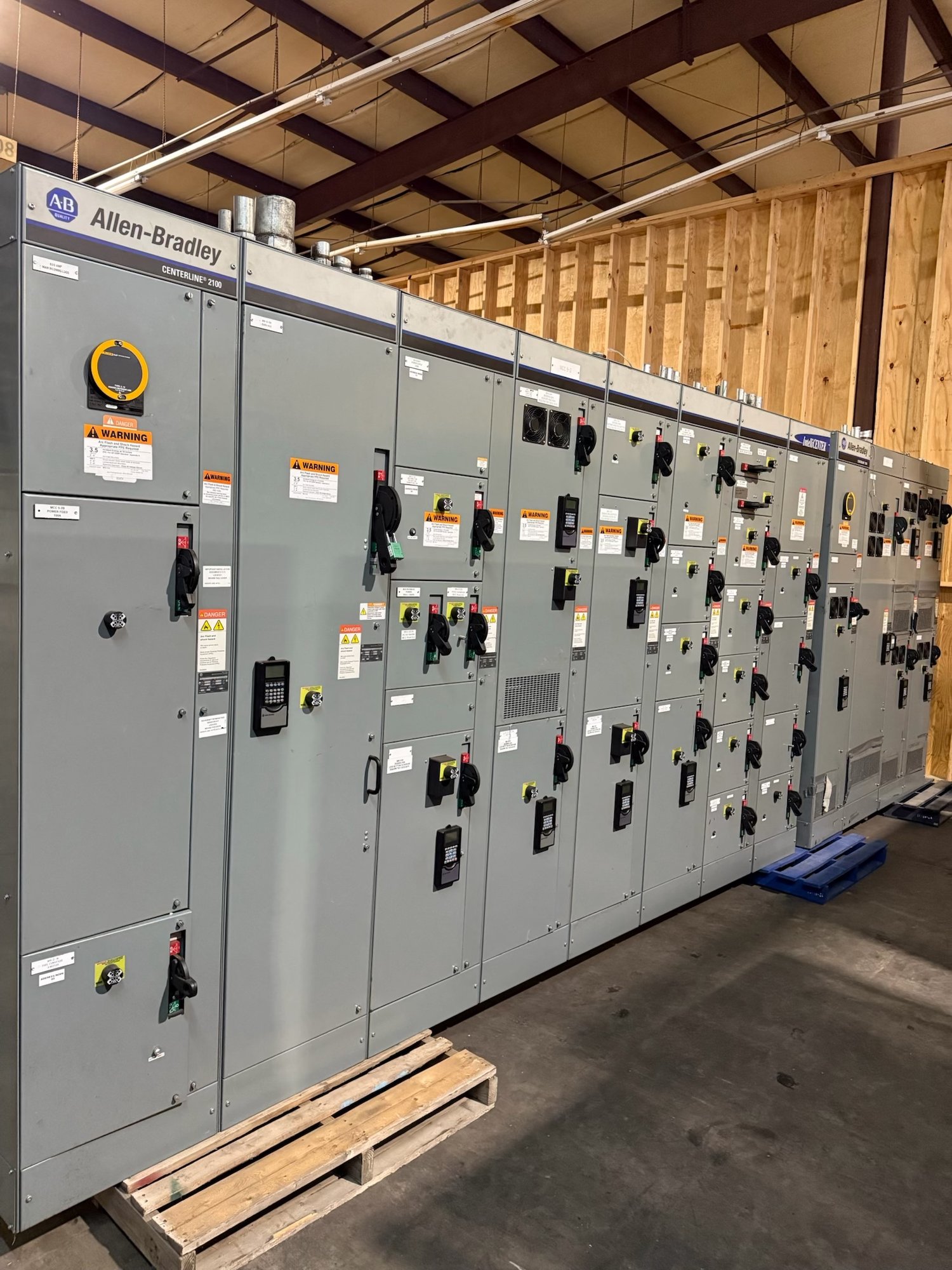
Start with the temperature at the equipment
Ambient temperature means the air surrounding equipment, not simply the outdoor weather reading or a room thermostat setting. A switchboard in a conditioned electrical room may see a different environment from equipment in a rooftop enclosure, an unconditioned service space, or a room warmed by nearby process equipment. The relevant value and measurement basis should come from the project design criteria and equipment instructions.
For Georgia sites, consider seasonal outdoor heat as well as local conditions that can raise indoor temperatures: solar gain, poor air circulation, adjacent equipment losses, or cooling systems that may not operate continuously. Ask the design team for the expected maximum ambient, normal operating range, and any known duration or frequency of high-temperature periods. Do not assume a statewide weather value alone establishes the design ambient at the switchgear location.
Identify which ratings need attention
Temperature review is not a single blanket adjustment applied to every switchgear rating. Depending on the assembly and its documentation, elevated ambient conditions may affect the allowable continuous current of bus or conductors, circuit-breaker operating limits, control components, insulation systems, or enclosure-related assumptions. The applicable limits and any correction factors must come from the specific manufacturer data and the design basis; they should not be guessed from a generic rule.
A switchboard’s marked ratings and its component ratings are related but not interchangeable. Confirm the assembly configuration, protective device types and frames, bus arrangement, conductor details, and any options that may change heat dissipation. UL 891 applies to switchboard assemblies; it is not a blanket listing for medium- or high-voltage switchgear and does not replace review of the actual equipment ratings or installation conditions.
Describe the real installation envelope
Useful temperature information includes the equipment room or enclosure location, whether it is indoors or outdoors, expected high and typical ambient temperatures, ventilation method, and whether cooling is essential or redundant. Include elevation when available, enclosure constraints, clearances, and heat sources nearby. If the equipment will share a room with transformers, drives, generators, or other heat-producing loads, provide their location and relevant operating assumptions so engineering can understand the thermal environment.
Also distinguish the air temperature at the equipment from temperatures measured elsewhere in the building. If the design uses a dedicated cooling system, state its design conditions and what happens during a failure or maintenance outage. Where the ambient is uncertain, identify that uncertainty rather than supplying a falsely precise number. The project engineer can determine whether additional site study, a conservative design basis, or operational controls are appropriate.
Balance derating, capacity and layout
When a rating review identifies reduced capacity at the specified ambient, the design team may need to compare equipment options, revise load assumptions, change component selections, or improve room ventilation or cooling. Each path has tradeoffs. A larger frame or bus arrangement may affect enclosure dimensions, feeder coordination, cable space, and cost; room changes may involve building systems and operating procedures. Any proposed change needs engineering review for the complete assembly and its intended application.
Avoid compensating for temperature by selecting a higher nominal rating without checking connected conductors, protective-device settings, available fault current, coordination, and the rest of the distribution system. Likewise, do not assume opening an enclosure, adding a fan, or changing field wiring preserves the equipment’s evaluated configuration. The final selection should reflect documented manufacturer limits and the project’s electrical design, with applicable authority review handled by the responsible project team.
Resolve the basis before procurement
For a new-equipment quote, share the specified ambient temperature and its source, indoor or outdoor location, enclosure requirements, system voltage and phase, service or feeder ratings, fault-current information, and the intended switchboard configuration. Identify any temperature-sensitive options, unusual duty cycles, future load allowances, and required documentation. If values are pending, provide the current assumptions and note who will confirm them before approval.
These details help establish whether the requested configuration can be evaluated as specified or whether an engineering clarification is needed. Availability, exact scope, and timeline are confirmed for each order; do not treat a preliminary selection or generic rating as approval for a particular temperature condition. Ask that exceptions, assumptions, and required site information be recorded in the quote review so procurement does not proceed on an unresolved ambient basis.
Plan the Georgia handoff
For delivery to a Georgia project, coordinate the approved equipment configuration with the receiving location, access route, unloading plan, and the project schedule. Nationwide shipping can support delivery planning, but the order-specific shipping method and timing must be confirmed. Share any site restrictions that affect delivery or staging, and make sure the electrical room’s expected temperature conditions are consistent with the design information used for equipment selection.
Before releasing the purchase, have the project engineer verify the ambient basis against the site conditions and review the manufacturer’s applicable component and assembly data. Provide the confirmed values, location details, and any cooling assumptions with the quote request, then resolve open questions before configuration approval. This practical handoff gives engineering and procurement a clear basis for selecting new switchgear without treating elevated-temperature capability as an assumption.