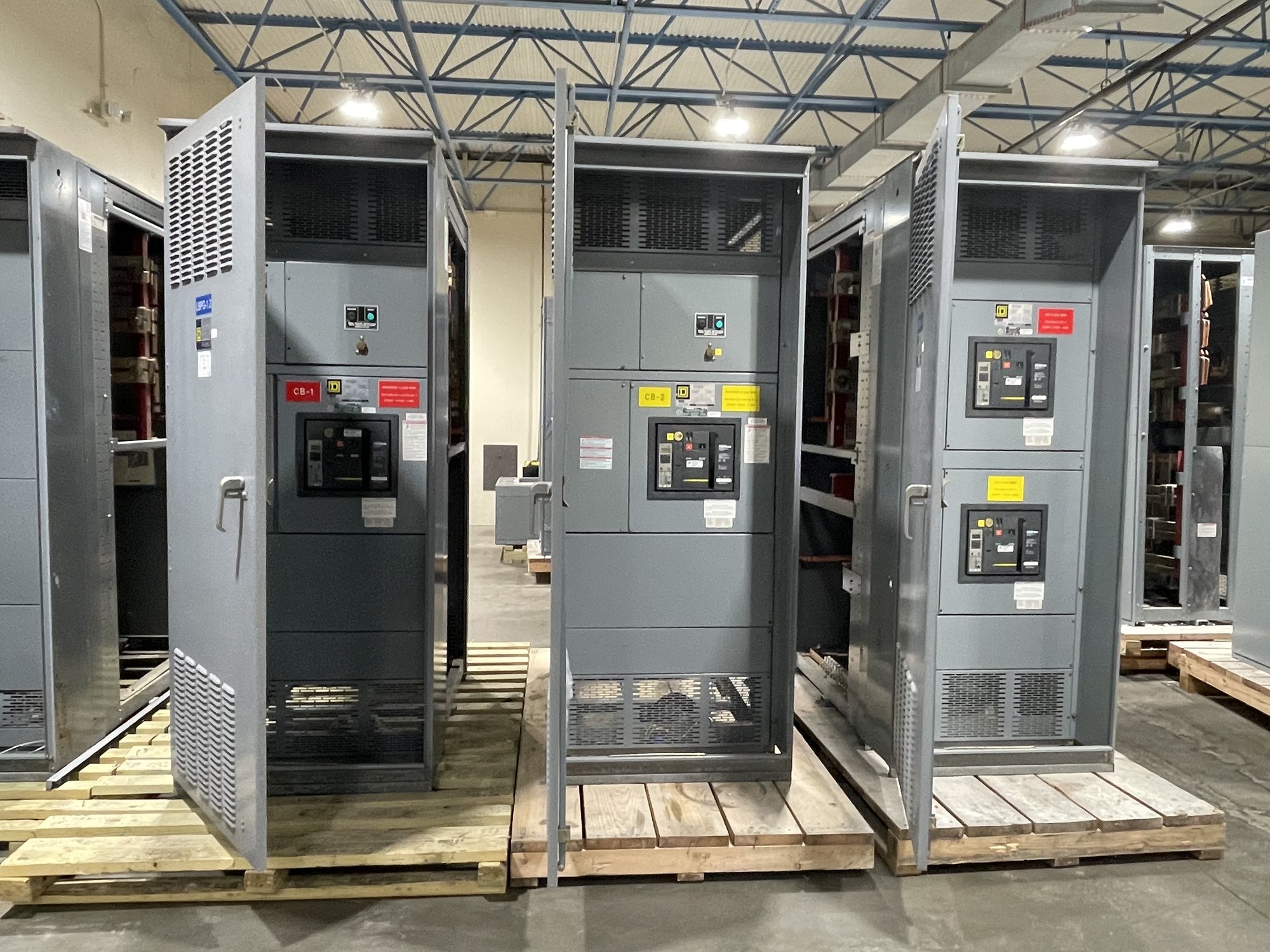
Identify the equipment and project boundary
Begin by stating what the project needs: a new switchboard assembly, a switchgear lineup, replacement equipment for a defined application, or equipment within a larger electrical package. Describe the installation location and what the quoted scope should include. For example, clarify whether the request covers the main assembly alone or also specified sections, metering, protective devices, transition sections, or related components.
Explain what is outside the request as well. Note whether field installation, upstream or downstream equipment, commissioning, or site work is being handled separately, if known. This gives the manufacturer a practical boundary for the initial quote and helps prevent assumptions about interfaces or services that have not been requested.
Share electrical ratings and system information
Provide the system voltage, phase and frequency, available fault-current information, and the requested equipment rating or rating basis when established by the project engineer. Include main-device and feeder requirements, device type, number of ways, and any required metering or protection functions. If a value is not yet confirmed, label it as pending rather than estimating it.
Identify the source and load arrangement, such as utility service, transformer secondary, generator, or a tie between sources. Note whether the design calls for a particular bus configuration, ground-fault functions, compartment arrangement, or other special features. These details guide configuration review; they do not substitute for engineering determination of suitability or approval by the authority having jurisdiction.
Attach drawings and supporting documents
Send the latest one-line diagram and, when available, equipment schedules, floor plans, elevations, and specification sections. Mark the revision and issue date on each document, and identify which files govern if they differ. A clear one-line diagram can reveal source relationships and feeder intent; a layout drawing can show space, access, and connection constraints that affect the proposed assembly.
Include written notes for dimensions, cable entry, bus connections, metering, labeling, finish, or interface requirements that are not evident in the drawings. If the design is still developing, distinguish firm requirements from options under consideration. For UL 891 switchboard assemblies, identify that scope explicitly; UL 891 applies to switchboards and does not establish a blanket listing for medium- or high-voltage switchgear.
Define delivery needs for the Georgia site
Give the project city or ZIP code, requested delivery window, receiving hours, and the site contact role or receiving arrangement. Describe access conditions that could affect shipment planning, including restricted entrances, limited unloading space, construction-site controls, or whether the delivery point is a dock or ground-level location. Share any required delivery appointment or documentation process.
State whether the date is a required-on-site date, a preferred target, or a date tied to construction milestones. Identify dependencies such as approved drawings, site readiness, or coordination with other equipment. Nationwide shipping is available, but shipment method, availability, and timing are confirmed for the specific order; a Georgia destination alone does not establish a delivery schedule.
Make procurement assumptions visible
For an actionable initial quote, identify the purchasing organization, project name or reference, requested quantity, and bid or budget stage. Share the specification revision, any approved-equal process, and the date by which pricing or technical information is needed. If the request is for a formal bid, include submission requirements and any required commercial documents.
Call out open decisions that may change scope, including alternate device arrangements, future provisions, spare space, monitoring interfaces, or phased construction. Ask whether the quote can separate base scope from clearly defined options when that would help evaluation. Do not leave important assumptions implicit: request a written list of exclusions, pending technical inputs, and items that require confirmation before order.
Move from initial review to a defined order
The initial review uses the submitted information to clarify equipment scope, identify missing or conflicting requirements, and establish what can be quoted. It is not a substitute for final design approval. The project engineer should resolve ratings and application questions, while procurement confirms commercial terms and the required delivery basis. Exact configuration, component availability, and timeline are confirmed for each order.
Before submitting, gather the current one-line diagram, applicable specifications, known electrical ratings, scope boundaries, and Georgia delivery constraints. Mark unresolved items plainly and include a preferred date plus any hard project milestones. This gives the manufacturer a focused starting point for review and makes the next exchange—technical clarification, revised documents, or quote evaluation—more efficient.