Start with the process and motor schedule
A crusher’s starting method and load profile can shape the distribution design. Share motor horsepower, voltage, full-load current, starting current or method, and whether each drive is across-the-line, reduced-voltage, or served by a variable-frequency drive. Include the expected sequence and frequency of starts, plus any operating conditions that affect restart after an interruption. The engineer can use this information to evaluate feeder, bus, and protective-device requirements against the project’s system data.
Conveyors add operating dependencies that a one-line diagram may not show. Identify which belts must start before a crusher or feeder, which loads can run independently, and what control interfaces are in scope. Clarify whether the switchgear package includes only distribution or must coordinate with separate motor-control equipment. This avoids assuming that a switchboard alone provides motor starters, interlocking, or process controls.
Specify for quarry dust and exposure
Dust exposure varies by location, ventilation, enclosure placement, and housekeeping practices. Describe where the electrical room or equipment will sit relative to transfer points, screens, crushers, and outdoor areas. Provide the project’s required enclosure type and environmental criteria, along with ambient temperature, moisture, corrosive exposure, and any washdown conditions. These details help the design team assess the proposed construction; a general description such as “quarry duty” is not enough to establish a suitable enclosure.
Consider how dust may enter during normal operation and maintenance, including door openings, cable entry points, and the path between equipment and the process area. Share room drawings and cable routing assumptions where available. Enclosure selection and equipment layout must be reviewed against the actual site conditions, applicable project requirements, and authority having jurisdiction. Do not treat a dust-resistant enclosure as a substitute for appropriate room design or maintenance practices.
Coordinate distribution and protection
For a useful quotation, provide the latest one-line diagram, available fault-current information, system voltage and phase, upstream protective-device data, grounding method, and the requested main and feeder arrangement. Identify future feeders, spare space, metering, and any required tie or alternate source. These inputs allow the manufacturer and project engineer to review the equipment scope and protection coordination assumptions rather than infer them from a load list.
Where a UL 891 switchboard assembly is appropriate, identify that requirement for the low-voltage switchboard scope. UL 891 applies to switchboards; it is not a blanket certification for medium- or high-voltage switchgear. If the project includes equipment at another voltage class, state the system and applicable specifications separately. Final equipment ratings and suitability depend on engineering review and approval by the responsible project parties and authorities.
Make inspection and maintenance practical
Maintenance access matters when plant production depends on several connected loads. Provide room dimensions, door locations, aisle constraints, overhead obstructions, cable trench or floor-duct locations, and the planned equipment orientation. Note how technicians will reach doors and removable components, and whether handling or replacement access is constrained. Layout decisions should account for the project’s required working clearances and be reviewed by qualified electrical professionals.
Identify the inspection and testing approach expected by the facility team, along with any preferences for metering visibility, device identification, spare feeder provisions, or separation of operating areas. Share plant naming conventions and equipment tags before drawings are finalized. Clear labels and a maintainable arrangement support troubleshooting, but they do not replace site-specific procedures or qualified personnel for installation, service, and energization.
Prepare the quote and Georgia delivery plan
For a quote, send the motor schedule, one-line diagram, load list, fault-current and upstream-device information, applicable specifications, and room or site layout. Include the crusher and conveyor starting sequence, dust and environmental conditions, required enclosure criteria, preferred configuration, and any known installation constraints. State the requested submittal and delivery milestones, project destination in Georgia, receiving hours, unloading arrangements, and whether delivery access has limits. Scope, component availability, and schedule are confirmed for each order.
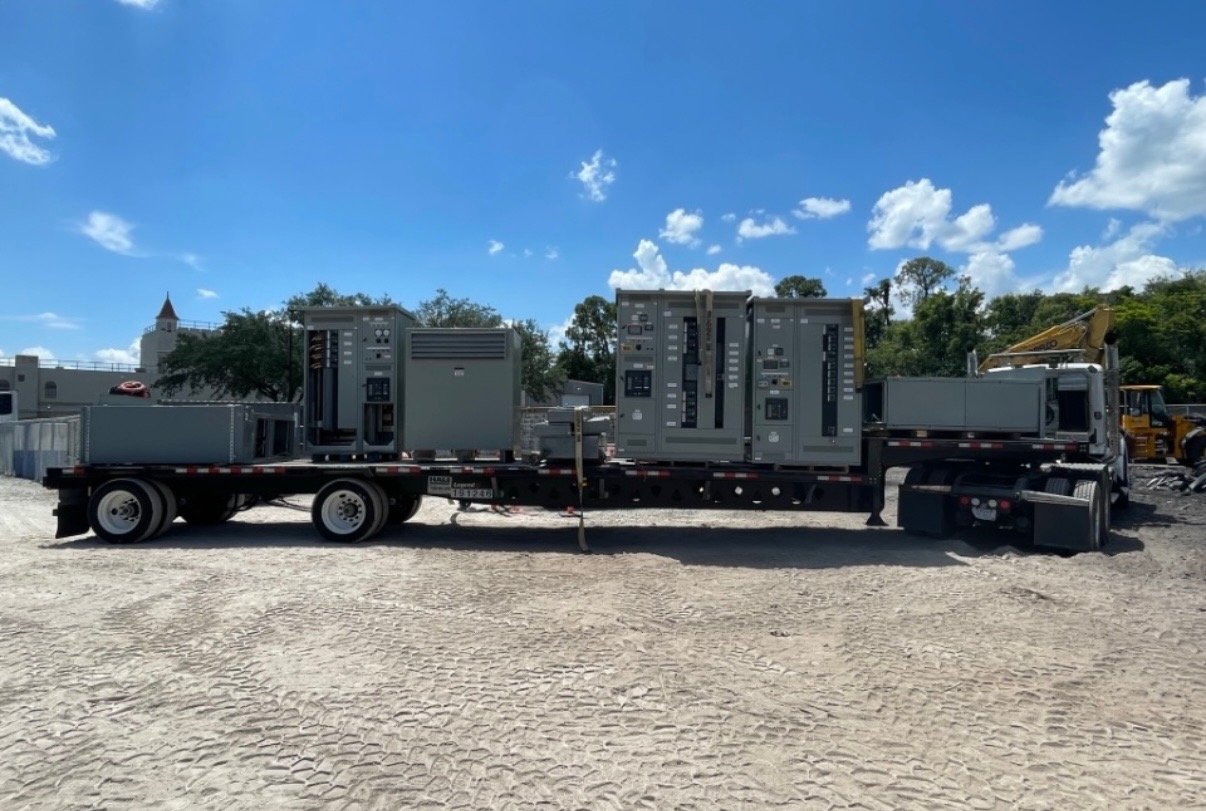
After design coordination, the project handoff should capture approved drawings, equipment configuration, shipping dimensions and handling needs, and any outstanding site interfaces. Georgia delivery can be planned around the plant’s construction sequence and receiving conditions, with nationwide shipping available for projects beyond the state. Before requesting a proposal, gather the process and electrical details that most affect crusher starts, conveyor operation, dust exposure, and service access; those facts give the team a concrete basis for defining the new equipment package.