Map loads by warehouse function
Start with an operating-area load schedule rather than a single facility-wide estimate. Separate high-bay and task lighting, office and support spaces, dock doors, conveyor lines, sorters, lifts, fans and other process equipment. Note which loads run continuously, cycle intermittently or start together during a shift change. This helps the design team evaluate demand, feeder arrangements and the consequences of adding equipment later.
For each major load, provide available nameplate data, voltage and phase, motor starting method, expected operating schedule and any manufacturer requirements. Identify planned automation and controls as well as equipment still being selected. An incomplete schedule can obscure concentrated demand at a panel or leave too little room for practical circuit distribution. Final ratings and configuration depend on engineering review of the complete system.
Coordinate lighting and material handling
Lighting distribution has to reflect the warehouse layout, not just the total connected load. Share the fixture and control zones, aisle arrangement, picking areas, dock and exterior lighting needs, and plans for occupancy or daylight controls. Ask the electrical engineer how lighting circuits will be divided so maintenance or control changes in one area do not unintentionally affect unrelated operations.
Conveyors, lifts and sortation systems can create distinct feeder and control needs, especially where several lines converge or operate in sequence. Provide equipment layouts, connection points and supplier electrical schedules when available. Confirm which equipment requires dedicated feeders, local disconnects or coordination with control panels; those details belong in the engineered distribution design and should not be inferred from a general warehouse load total.
Plan charging areas deliberately
Forklift and other material-handling vehicle charging can concentrate load in a dedicated room or spread it across the building. Explain the number and type of chargers under consideration, input requirements, charging schedule, battery technology where known, and whether chargers may operate simultaneously. Also identify proposed locations, ventilation considerations and any future fleet changes that could affect the electrical plan.
Charging demand may overlap with lighting, conveyors and other shift-start loads. Ask the project engineer to assess the expected operating pattern and how the charging circuits fit the service and distribution scheme. If charger selections are not final, provide the ranges and alternatives being evaluated. A useful quote scope distinguishes confirmed equipment from allowances and identifies what information remains outstanding.
Make expansion a design decision
Phased construction may add warehouse bays, automated lines, cold storage or charging capacity after the first occupancy. Tell the design and procurement teams which phases are funded, their anticipated sequence, and what loads belong to each phase. Provide site plans and one-line diagrams that show future areas where possible. This gives the engineer a basis to evaluate spare capacity, space for future distribution and how later work could connect.
Do not treat an assumed reserve as a substitute for a load study. Available capacity, bus arrangement, enclosure dimensions and future connection methods depend on the selected design and applicable engineering review. Clarify whether the initial order should include provisions for later work or serve only the current phase. Changes after release can affect equipment scope, drawings and schedule, so document decisions before approval.
Define the assembly and project handoff
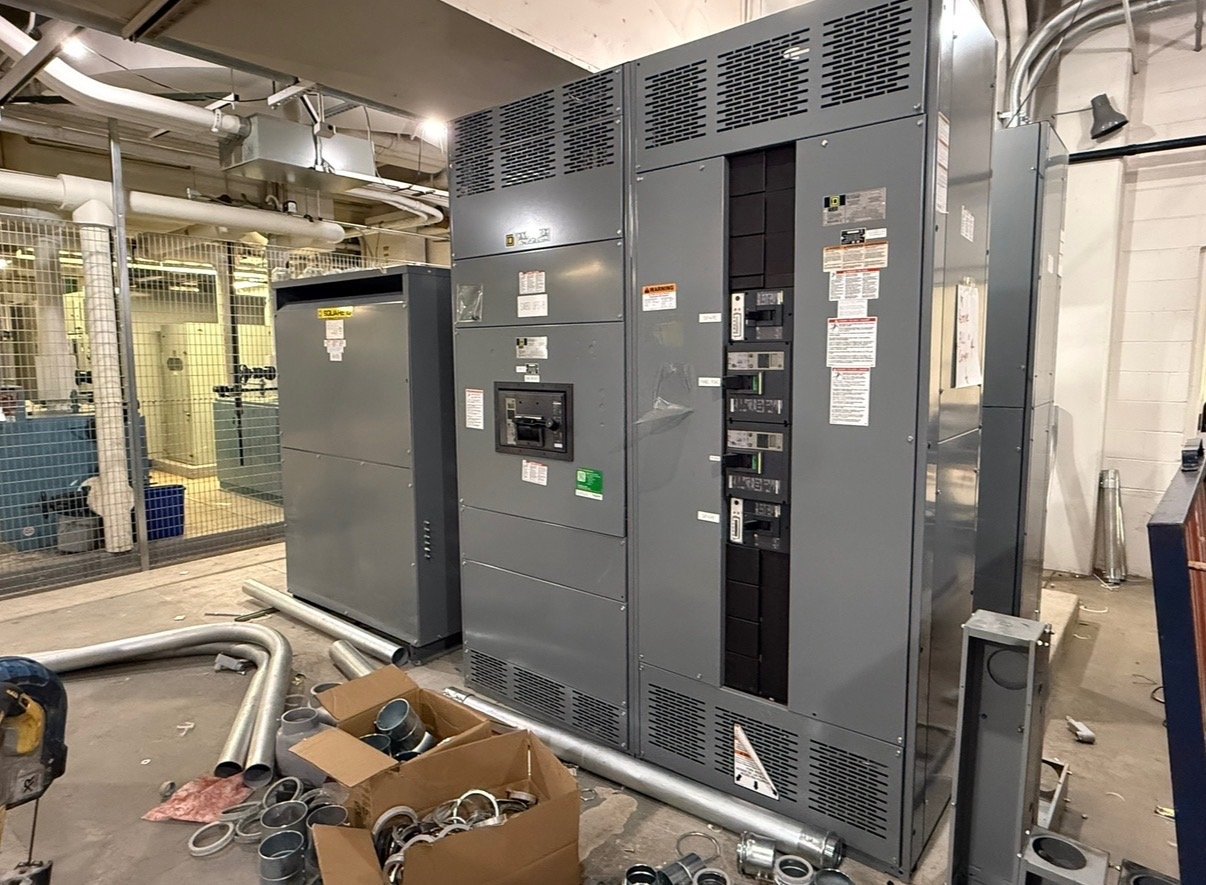
For a project requiring a UL 891 switchboard assembly, identify the intended service arrangement, system voltage, available fault-current information, incoming source, main and feeder requirements, and the room or electrical-area constraints. UL 891 applies to switchboards; it is not a blanket listing for medium- or high-voltage switchgear. The design and required approvals must be established for the specific application.
For a quote, share the one-line diagram, load schedule, equipment data, site and room drawings, phasing plan, requested submittal requirements and target delivery window. Include the Georgia jobsite delivery location, receiving restrictions, unloading responsibilities and any coordination dates. We build new equipment in the United States using American-made components, with custom configurations and nationwide shipping; exact scope, availability and timeline are confirmed for each order.
Close gaps before release
Before equipment release, have the project team reconcile the latest load list, electrical drawings, selected charger and automation data, service information, physical clearances and phase boundaries. Confirm who approves the submittal and how revisions are recorded. The responsible engineers and authorities must review the design and installation requirements; equipment should be handled and installed only by qualified personnel.
For a Georgia warehouse project, send the current drawings and a marked list of unresolved loads, future phases and delivery constraints with the quote request. Ask the engineer to identify the assumptions that affect the proposed assembly, then confirm those points before approving the final scope. This focused handoff helps connect warehouse operations, procurement and site planning without treating unknown future loads as settled facts.