Describe the exposure at the installation point
A location described simply as “outdoors” leaves important design questions unanswered. Note whether the equipment will sit beneath a canopy, beside a building, near open fields, or in an area exposed to wind-driven rain. Include proximity to irrigation, roof runoff, standing water, coastal air, industrial fumes, dust, and landscaping chemicals. These conditions can affect enclosure materials, finishes, openings, and the service life expected from the installation.
Georgia sites can experience humid summers, heavy rain, storms, and extended periods of moisture. A shaded wall, a sun-exposed pad, and a covered loading area present different combinations of heat, water, and debris. Share site photographs or drawings when available, along with the planned mounting surface and any nearby walls or obstructions. Engineering can use this context to evaluate the enclosure configuration; it does not substitute for site-specific design or authority review.
Match enclosure protection to the environment
Specify the required enclosure type or environmental protection level only after confirming the installation conditions and applicable project requirements. An enclosure intended to limit entry of rain or dust is not automatically suitable for immersion, corrosive exposure, or every form of outdoor installation. Confirm the governing specification, applicable standards, and any owner or authority requirements with the project engineer. Do not infer an enclosure rating from appearance or from the fact that equipment is described as outdoor.
Discuss construction details that affect exposure, including door and seam arrangements, ventilation, cable-entry locations, finish, and provisions for anchoring. Openings and field modifications can change how an enclosure resists weather, so their locations and methods should be coordinated before fabrication. If the project calls for a particular material, coating, or enclosure rating, identify it explicitly and provide the basis for that requirement. Final suitability depends on the complete configuration and installation.
Plan for humidity and condensation
Moisture can form inside an enclosure even when rain does not enter. Temperature changes between warm, humid air and cooler equipment surfaces may create condensation, especially where a cabinet is shaded overnight or exposed to rapid weather changes. Ask whether the site has a history of condensation, whether the equipment will be energized continuously, and whether ventilation or other moisture-control provisions are specified. These details help engineers assess the need for suitable options without assuming one remedy fits every installation.
Coordinate any heaters, thermostats, vents, or other accessories with the electrical design, available control power, and operating conditions. A heater requires an appropriate source and installation plan; a vent may affect the enclosure’s environmental protection. Avoid adding accessories late in procurement, when space, wiring, and entry locations may already be fixed. Provide project documents that identify required controls and accessories, and have qualified personnel review installation and operating requirements.
Keep equipment ratings and enclosure scope distinct
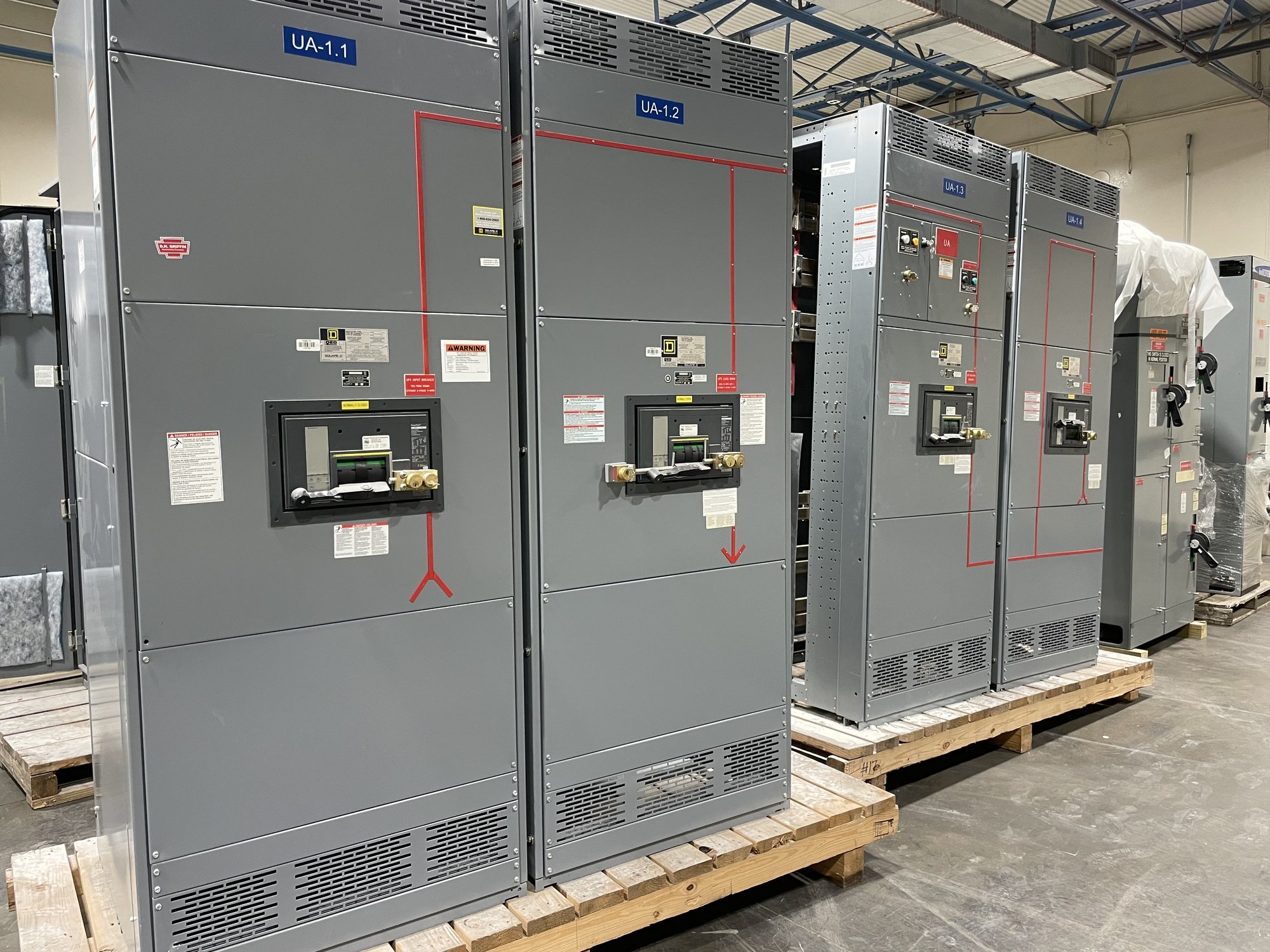
The enclosure does not establish the electrical capability of the switchboard inside it. Specify system voltage, continuous current, available fault current, service arrangement, feeder requirements, and any required metering or control features separately. Confirm the intended indoor or outdoor use and installation arrangement with the project engineer. The assembly must be evaluated as a complete design against the project’s electrical requirements; enclosure selection alone does not confirm equipment ratings or code compliance.
For low-voltage switchboard assemblies, UL 891 applies to switchboards, not as a blanket listing for medium- or high-voltage switchgear. If the project uses other equipment classes or requires a specific certification, identify that scope for confirmation rather than extending a switchboard standard to unrelated equipment. Provide one-line diagrams, equipment schedules, specifications, and any applicable utility or authority requirements so the proposed configuration can be reviewed against the intended application.
Coordinate access, mounting, and delivery
Outdoor cabinets need workable access after installation, not just enough room to fit on a pad. Show door swing, operating and maintenance clearances, cable approach, conduit stub-ups, lifting access, and nearby equipment on the layout. Confirm pad dimensions, anchoring details, finished grade, drainage, and any roof or wall protection. These items can affect enclosure dimensions and the placement of doors, compartments, and cable entries, so resolve them before approving fabrication drawings.
For Georgia delivery, share the ship-to location, receiving hours, site access limits, unloading equipment, and whether the destination is a jobsite or a receiving facility. Note restrictions such as narrow gates, soft ground, overhead obstructions, or a required delivery sequence. Shipping arrangements and timing are confirmed for each order; do not assume a particular unloading method or schedule. Coordinate delivery with pad readiness and the qualified installation team to avoid leaving equipment exposed or blocking site work.
Prepare a complete enclosure quote package
For a useful quote, provide the project location, site exposure, required enclosure type or specification, outdoor mounting arrangement, equipment ratings, one-line diagram, and relevant schedules. Include condensation history, requested moisture-control accessories, material or finish requirements, cable-entry preferences, dimensional limits, and required documentation. If information is still being developed, identify open items and the person responsible for resolving them. This makes the design basis visible and helps distinguish firm requirements from assumptions.
Before release, review the proposed drawings for enclosure dimensions, access, entries, accessories, ratings, and site interfaces. Confirm the exact scope, availability, and timeline for the order, along with shipping and receiving arrangements for the Georgia destination. Send the site plan and current electrical documents with the quote request, and flag weather or condensation concerns directly. This focused handoff gives engineering and procurement a clear basis for configuring new outdoor equipment.