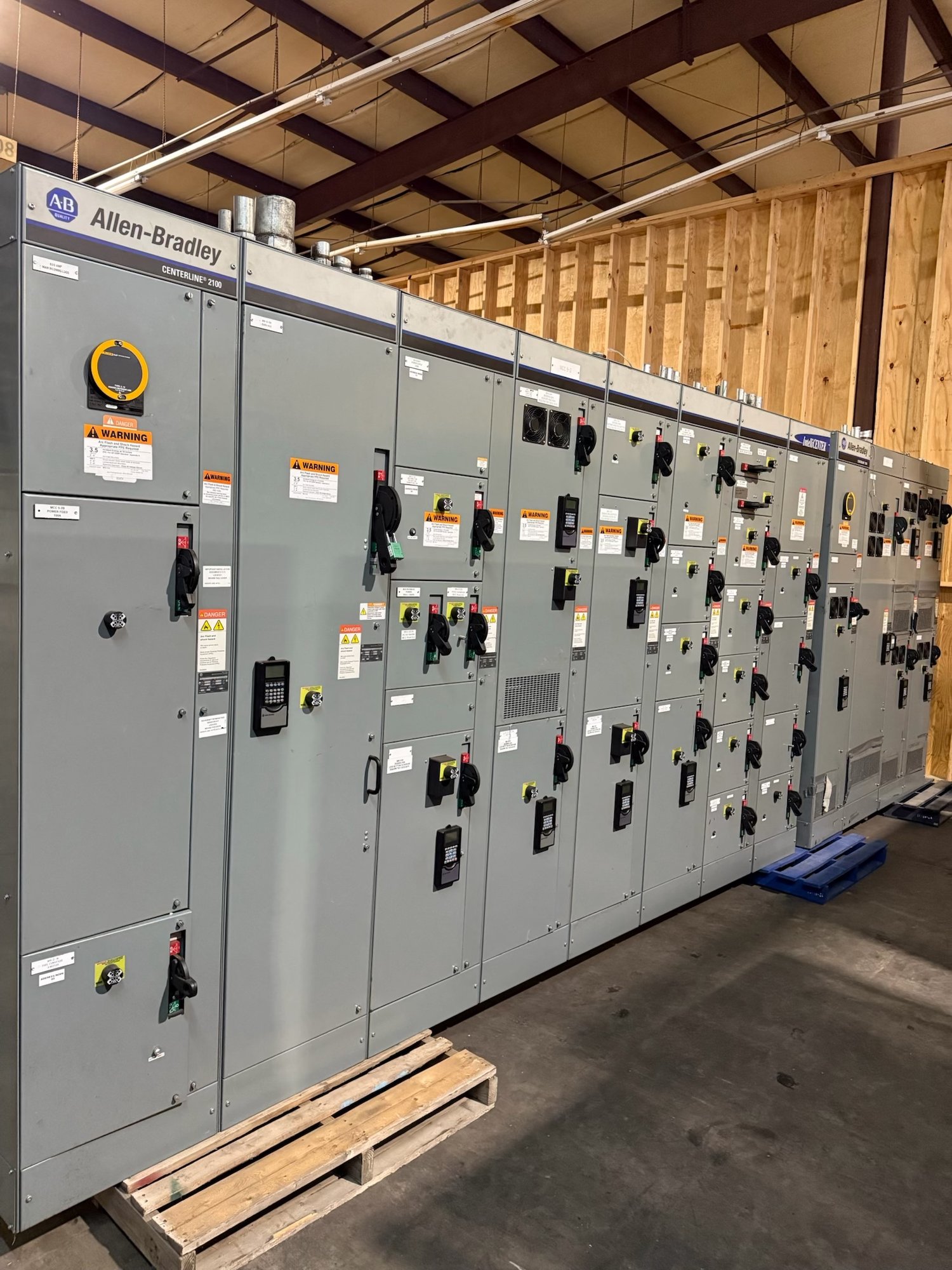
Build the load plan around production
Start with the facility’s present and planned electrical demand, not just the nameplate load of the next machine. Identify major process equipment, motors, heating loads, welders, compressors, material handling, HVAC, lighting, and likely simultaneous operating conditions. Note which loads run continuously, cycle frequently, or start together. This information helps the engineering team assess how a new switchboard or switchgear lineup should serve the distribution plan.
Ask whether the project serves a new building, replaces existing distribution, or adds capacity to an operating plant. Share available one-line diagrams, service information, transformer details, feeder schedules, and known fault-current data. Flag uncertainty rather than filling gaps with assumptions. Final equipment configuration and ratings depend on engineering review of the actual system and coordination with the utility and other project stakeholders.
Make room for equipment additions
Production equipment changes can shift both demand and the physical layout of electrical rooms. Describe anticipated line expansions, spare feeder needs, future motor-control connections, and any process areas that may be added later. Consider how operators and qualified electrical personnel will access the equipment, route conductors, and reach service points without obstructing production or egress.
When requesting a configuration, provide room dimensions, access routes, cable entry preferences, environmental conditions, and constraints on delivery or movement through the facility. Clarify whether the scope includes a new assembly, replacement sections, or a coordinated lineup for a larger project. Custom-built arrangements can address project-specific requirements, but dimensions, interfaces, and future provisions must be reviewed before release for manufacture.
Consider power quality and sensitive processes
A plant’s power-quality concerns may include voltage disturbance, harmonic current, imbalance, or the effects of large motor starts and variable-frequency drives. Identify the affected processes, observed symptoms, operating conditions, and any monitoring data available. Switchgear organizes and distributes power; it does not by itself correct every power-quality issue. Engineers may need to evaluate system conditions and determine whether separate mitigation equipment or changes elsewhere in the distribution system are appropriate.
Share the types and locations of sensitive controls, instrumentation, drives, and production systems, along with known interaction concerns. Explain whether a planned equipment addition changes load patterns or introduces nonlinear loads. These details support a more useful review of the proposed arrangement and help prevent procurement from treating an unverified power-quality remedy as part of a switchgear scope.
Plan around maintenance windows
Manufacturers often have limited windows for shutdowns, tie-ins, and equipment replacement. Establish the target outage dates, permitted work periods, production blackout dates, and sequence dependencies early. Determine what must be ready before the outage, including approved drawings, equipment access, foundations, conduit, conductors, and coordination with the electrical contractor and plant operations team.
A requested delivery date is a planning input, not a guaranteed schedule. Provide the required on-site date, approval milestones, shipping destination, receiving restrictions, and any limits on truck access or unloading. Exact scope, availability, and timeline are confirmed for each order. Georgia delivery can be coordinated with the project schedule, while the plant team should confirm receiving arrangements and protect the planned installation window.
Align specifications, purchasing, and handoff
For a quote, share the project location in Georgia, system voltage and phase, available fault-current information, main and feeder requirements, enclosure conditions, metering or control needs, and applicable drawings or specifications. State whether the assembly is a UL 891 switchboard requirement; UL 891 applies to switchboards and should not be treated as a blanket certification for medium- or high-voltage switchgear. Include project-specific documentation and approval requirements for review.
Before order release, confirm the equipment scope, interfaces, drawings, exclusions, shipping plan, and approval responsibilities with the project team. The handoff should identify who reviews the design, who coordinates utility and field conditions, and who receives and installs the equipment. Installation, servicing, and energization belong with qualified personnel following approved project documents and applicable authority review.
Prepare a quote package that supports the schedule
A useful quote request pairs technical data with the production constraint driving the project. Include the purpose of the work, expected equipment additions, load information, one-line diagram, space and access limits, power-quality observations, preferred configuration, and maintenance window. Identify open questions clearly, such as unknown fault-current values or pending utility details, so they can be resolved rather than assumed.
Gathering these inputs gives engineering and purchasing teams a practical basis to compare new equipment configurations and coordinate manufacturing with the plant’s planned work. Confirm Georgia delivery details, receiving capability, drawing review dates, and the required on-site window before finalizing the order. Use the resulting scope to align the manufacturer, engineer, contractor, and operations team before the outage is scheduled.