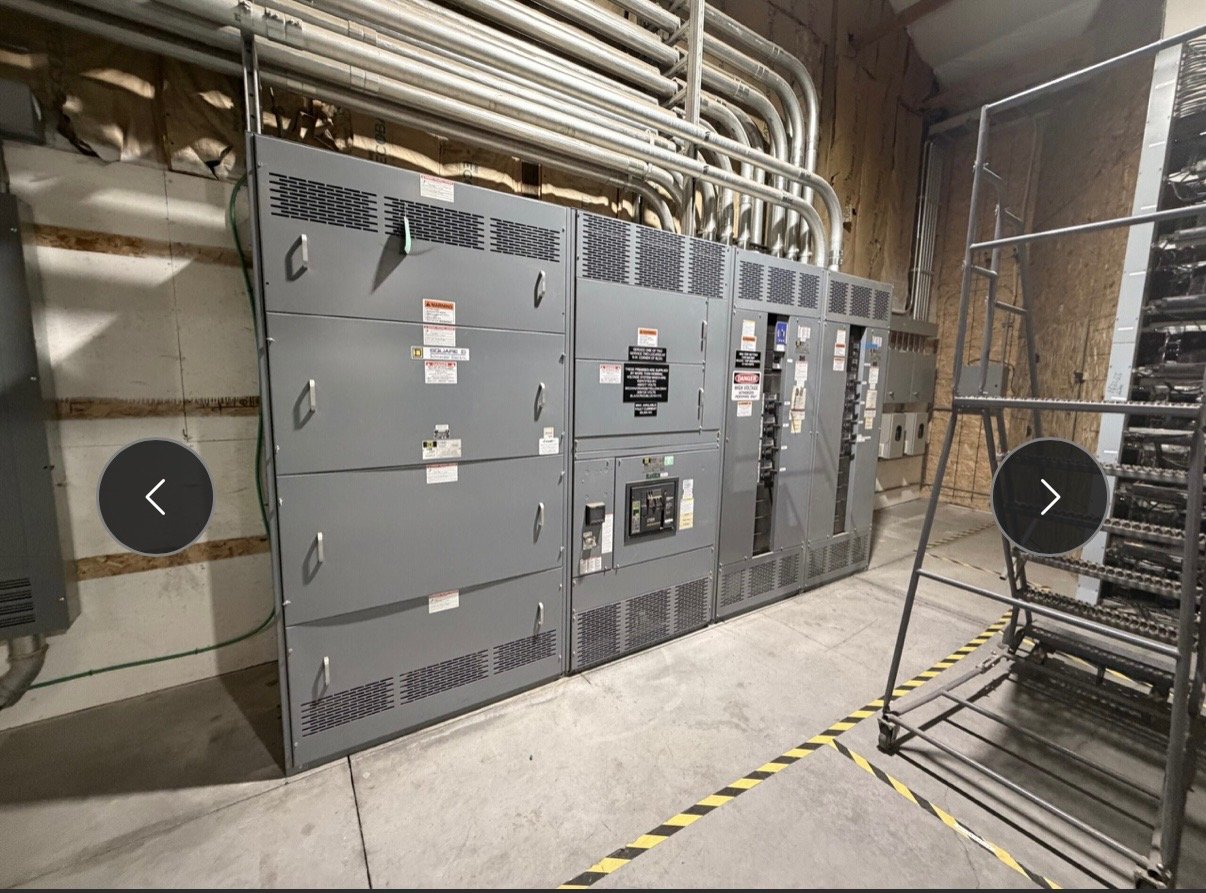
Start with the distribution duty
Map the electrical path from the utility or on-site source through transformers, switchboards and downstream loads. Identify each required voltage, phase, frequency, available fault-current value and grounding arrangement, along with the source configuration and intended operating sequence. These details shape bus design, protective-device selection, compartment layout and the interfaces the assembly must provide. A load list should distinguish continuous process loads from motors, heaters, pumps, compressors and other equipment with starting or operating characteristics that affect coordination.
For a new switchboard assembly, provide the one-line diagram, load schedule, available fault-current information and protection requirements for review. UL 891 applies to switchboard assemblies; it does not establish a blanket listing for medium- or high-voltage switchgear. Confirm the equipment category and applicable project requirements with the responsible engineer and authority having jurisdiction. Do not assume a standard based on the facility name or voltage alone.
Treat area classification as a design input
Oil and gas sites can include areas where flammable gases, vapors or combustible dust may be present. The hazardous-area classification, including the applicable class, division or zone, gas or dust group, and temperature requirements, must come from the project’s qualified classification work. Mark classified boundaries on current site drawings and identify whether proposed electrical equipment will be inside, outside or near those boundaries. The location of a switchboard alone does not determine the requirements for every connected device or interface.
Share the classification documents and installation location early so the engineering team can evaluate the requested equipment arrangement and identify components or enclosures that need separate treatment. Clarify whether the assembly will serve a classified location or sit in an electrical room outside it. Equipment selection and installation must follow the engineered design and applicable authority review; do not rely on a general-purpose switchboard description as evidence of suitability for a hazardous location.
Account for outdoor and process-site exposure
Environmental conditions can affect enclosure selection, access, finish and maintenance planning. Specify indoor or outdoor installation, ambient temperature range, humidity, rain exposure, airborne salt, dust, chemical vapors, washdown practices and any known corrosive agents. Include elevation, ventilation conditions and exposure to vibration or pressure washing when relevant. A coastal Georgia site, a refinery process area and an inland compressor station may present different combinations of exposure, so describe the actual installation rather than relying on a broad industry label.
Explain how the equipment will be protected from weather and process hazards, including whether it will be in a conditioned electrical room, sheltered structure or exposed pad. Provide the requested enclosure type or environmental performance criteria if the project has established them. Also note access limits for doors, cable entry, lifting and maintenance. These constraints influence layout and cable termination planning, but the final configuration depends on the project specification and engineering review.
Coordinate protection, control and continuity
Define how the facility should respond to overloads, faults, source loss and planned maintenance. Share the protection study criteria, breaker and relay functions, selective-coordination requirements, metering points, alarms, interlocks and any transfer or tie-breaker sequence. Identify interfaces to generators, transformers, motor-control equipment, emergency systems and plant control networks. Clear responsibility boundaries help prevent gaps between the switchboard package, field wiring and adjacent equipment.
If operators need remote status or control, list the required signals, communication method and ownership of configuration and testing. State whether the project requires spare compartments, future feeder capacity or a particular maintenance access arrangement. These choices affect the physical assembly and documentation, so identify them before procurement rather than treating them as later field changes. Final device settings and protection coordination remain part of the project’s engineering process.
Prepare a complete request for quotation
For a useful quote, send the latest one-line diagram, equipment schedule, technical specification, fault-current data, protection requirements, environmental criteria and hazardous-area documentation where applicable. Include required cable entry locations, conductor sizes or termination details, bus connections, control schematics, metering needs and any established interface dimensions. Note the project phase, requested submittal milestones and whether the package must align with a specific construction or outage sequence.
Flag open design items instead of presenting assumptions as final requirements. Identify who will approve drawings, provide field dimensions, coordinate upstream protection and accept substitutions. The manufacturer can review the stated scope and confirm configuration, component availability and timing for the specific order. American-made components, custom-built arrangements and short lead times may be considered in planning, but availability and schedule depend on the confirmed design and order scope.
Plan the Georgia delivery and handoff
Georgia projects may involve direct delivery to a plant, contractor staging area or another designated receiving point. Provide the delivery address, site access rules, receiving hours, unloading responsibility, route or gate restrictions and any limits on truck or package size. Coordinate delivery timing with construction readiness, storage conditions and the sequence for setting equipment. Nationwide shipping is available, while the actual route, handling plan and schedule are confirmed for each order.
Before release, align the approved drawings, bill of materials, interface details and shipping instructions among the engineer, contractor, facility team and purchasing manager. Confirm who will inspect the shipment, manage storage and oversee installation and commissioning through qualified personnel. To begin, submit the one-line, site classification and exposure details, load and protection requirements, and Georgia delivery constraints; those inputs make scope and project timing easier to evaluate.