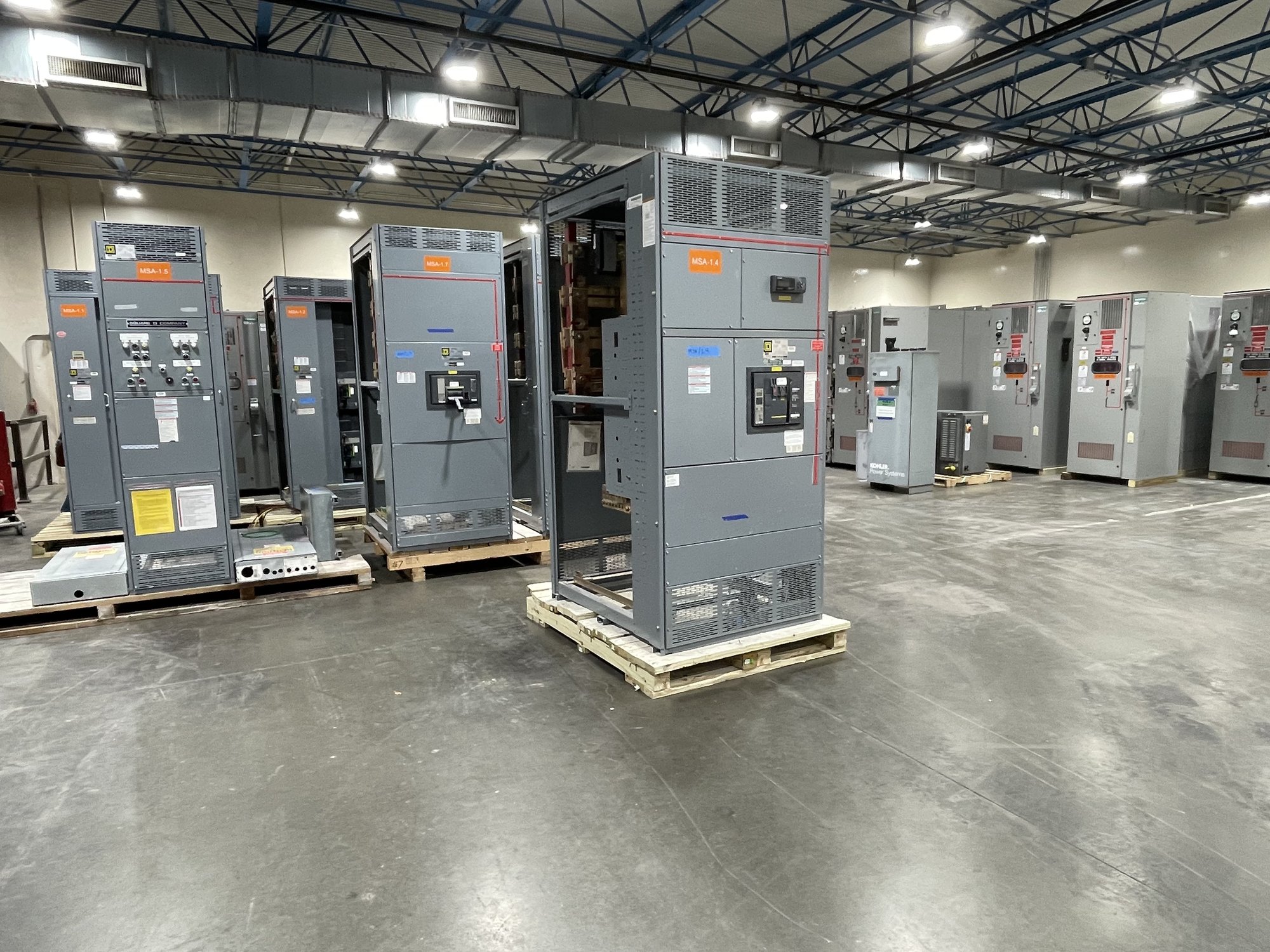
Define the protection objective
A maintenance setting typically provides a lower instantaneous trip threshold while authorized work is underway, helping reduce incident energy where the protection scheme and equipment support that function. It is not a substitute for de-energizing equipment when that is practical, nor does the setting make energized work safe. The project engineer and responsible electrical safety program must determine whether this approach fits the equipment, task, and applicable requirements.
Start with the intended device and operating condition. Identify the breaker or protective device affected, the normal and temporary trip values, the method of activation, and the expected duration of use. Clarify whether the feature is integral to the trip unit, implemented through an external control, or supplied as a project-specific arrangement. Available functions and compatible devices depend on the selected design and must be confirmed during engineering.
Set authorization and control rules
A temporary setting needs a defined authorization path, not an informal preference at the switchboard. Specify which roles may enable it, whether approval is required before each use, and how the responsible person verifies the intended device and setting. Consider how the procedure addresses shift changes, multiple work groups, restricted access, and a setting left active after work ends.
The equipment specification should distinguish control access from operating responsibility. Ask whether the proposed arrangement needs a keyed selector, password-controlled interface, supervised control, or another method compatible with the selected device. These are design questions, not interchangeable defaults. Provide the project's control philosophy and operating procedures for engineering review so the equipment configuration supports them without implying that access controls alone establish safe work practices.
Make active status unmistakable
Workers need to recognize when normal protection has been altered. Specify the required local indication, such as a visible status light or clear device display, and identify where it must be observable from the work area or operating position. If remote indication is needed, define the monitoring point, alarm or status signal, and interface expectations. Confirm how loss of control power, communications, or an indication component affects the status information.
Labeling and drawings should use consistent names for the maintenance function, affected breaker, and normal versus temporary states. Request a clear description of what the indication proves and what it does not prove; an illuminated status point may show a command or mode state, not necessarily verify every protection element. The engineer should establish how operators confirm the actual device condition before work begins.
Review coordination and constraints
A lower trip threshold can affect selectivity, nuisance-trip exposure, and coordination with upstream or downstream protective devices. Have the responsible protection engineer evaluate both normal and temporary settings against the available fault-current information, device curves, equipment limitations, and the intended operating arrangement. Review interactions with zone-selective interlocking, ground-fault functions, arc-reduction schemes, generator sources, and transfer configurations where applicable.
Do not treat a maintenance setting as a universal value or assume it can be applied to every breaker in an assembly. The final settings depend on the system study, selected trip unit, configuration, and project requirements. Identify any operating conditions that change the study assumptions, and establish who approves revisions. UL 891 applies to switchboard assemblies; it does not establish a blanket listing for medium- or high-voltage switchgear or approve a particular protection setting.
Plan restoration and handoff
Restoration should be an explicit step in the work process. Define who verifies that work is complete, who returns the device to normal mode, and how that return is confirmed and recorded before the equipment resumes ordinary operation. Consider a checklist, log entry, status alarm, or supervisory review appropriate to the facility. Procedures should also address an interrupted job, an unavailable operator, and a mode that remains active beyond its authorized period.
For project handoff, request approved setting schedules, control diagrams, device identification, operating instructions, and a concise description of activation and restoration steps. Confirm which documents are supplied with the configured equipment and which studies, field verification, commissioning, or procedure development remain with the project engineer or contractor. Assign ownership for reviewing the final settings and incorporating them into facility records before turnover.
Prepare the equipment request
For a quote, share the one-line diagram, system voltage and available fault-current data if established, equipment type, breaker and trip-unit requirements, normal and proposed temporary settings, and any coordination study or control drawings. Include the desired indication location, authorization method, remote status needs, operating procedure constraints, and project schedule. If engineering information is still developing, identify assumptions and open decisions rather than treating preliminary values as final.
Georgia projects can be supplied for delivery to the project location, with configuration, availability, and schedule confirmed for the specific order. Before release, align the procurement package with the engineer's approved protection design and identify who will verify settings and restoration procedures at handoff. Ask for the proposed maintenance-mode functionality and its limits to be documented, then resolve authorization, indication, coordination, and return-to-normal responsibilities before equipment ships.