Start with the pump and feeder data
Feeder sizing begins with the electrical source and the pump motor, not just the motor horsepower. Gather the available voltage and phase, motor nameplate full-load current, horsepower, frequency, service configuration and the number of pumps served. Include feeder length and conductor material or proposed conductor size when known. Long runs between the source and pump can affect voltage drop, especially during starting, so the electrical engineer should evaluate the actual route and installation conditions.
Clarify whether the assembly serves one motor or several, and whether it includes only motor feeders or also lighting, controls, receptacles or other loads. Identify upstream overcurrent protection, available fault-current information and the intended grounding arrangement. These details inform bus and device selection, interrupting ratings and coordination review. Do not select an assembly from horsepower alone; final design and ratings require review against the system and applicable requirements.
Account for motor starting
Starting method shapes the switchgear configuration. A motor started across the line can draw substantially more current at startup than during normal operation. Reduced-voltage starters or variable-frequency drives may change the starting profile, control needs, heat load and physical layout. Specify the intended method, control voltage, operating sequence and whether pumps start together or in stages. If a drive or starter is customer-furnished, identify its make, model, dimensions and interface requirements before the assembly is finalized.
Discuss how the pump responds to irrigation demand, pressure conditions and source limitations. Frequent starts, alternating duty pumps, automatic restart after an outage and remote start commands can affect control logic and component selection. Provide sequence descriptions, sensor and interlock requirements, and any required local controls. The project engineer should verify motor protection, conductor sizing, starting performance and coordination as a complete system rather than treating the switchgear as an isolated component.
Specify the outdoor enclosure
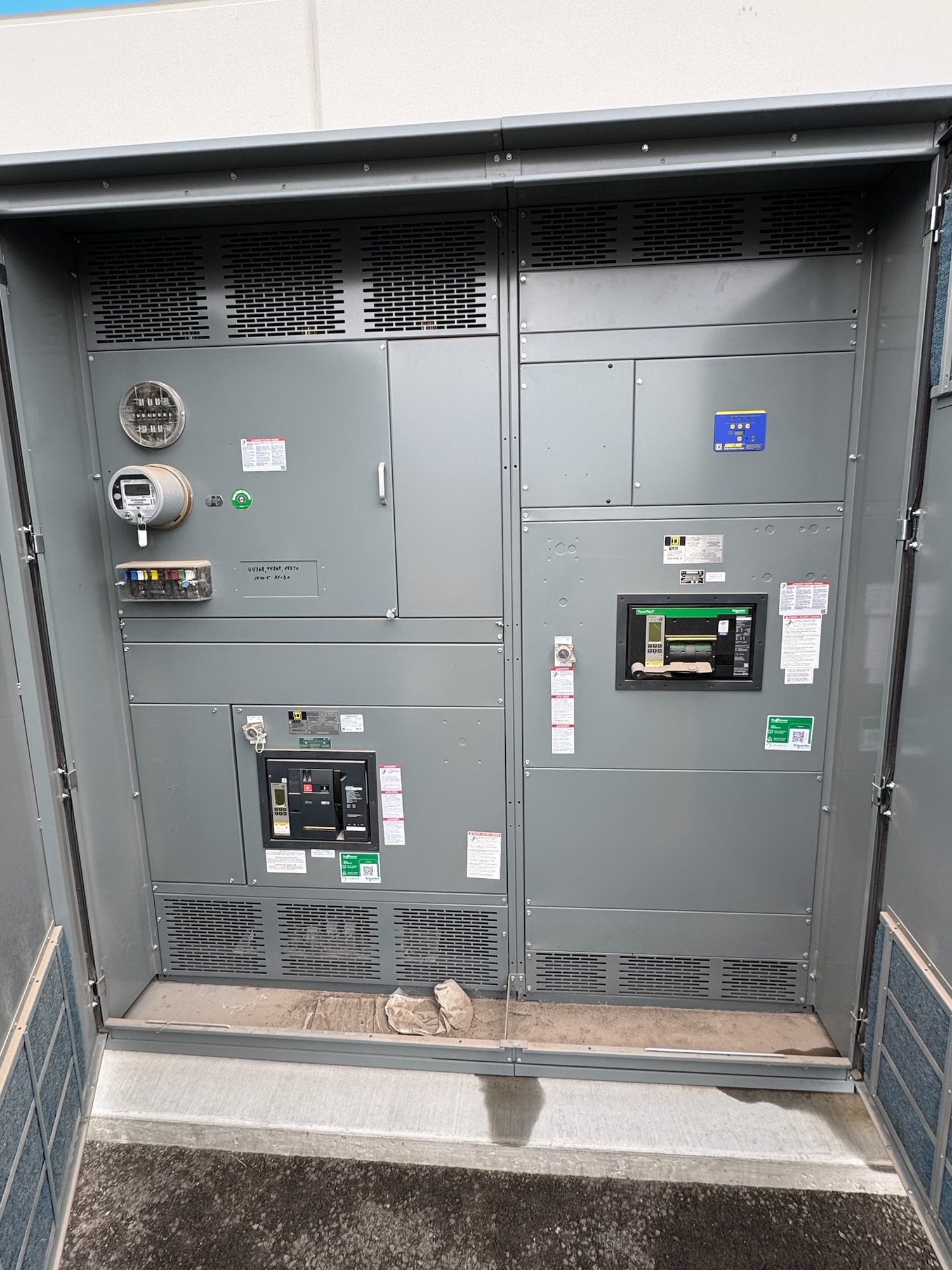
An irrigation site may expose electrical equipment to rain, windblown dust, condensation, sunlight, insects, fertilizer or water used for cleaning. Describe the actual location: sheltered or fully exposed, near spray or standing water, subject to washdown, and within reach of farm or maintenance equipment. State the required enclosure type or environmental protection criteria if the project documents define them. The appropriate construction depends on these conditions and the applicable engineering review; no enclosure should be assumed suitable from the word outdoor alone.
Also consider heat gain from direct sun, ambient temperature, ventilation needs and the heat produced by starters or drives. Provide the mounting arrangement, available footprint, clearances and cable-entry direction. A pad-mounted assembly, a wall installation and a cabinet on a pump skid can require different access and wiring approaches. Confirm whether conduits enter from below or the sides, and coordinate openings with the site layout before fabrication.
Make field service practical
Technicians need enough room to inspect, test and maintain equipment without blocking a doorway, pump route or other work area. Share the proposed working space, door swing, mounting height and nearby obstructions. Identify which components require routine access, such as disconnecting means, starter compartments, control devices or drive interfaces. If a pad, platform or enclosure is already selected, provide drawings or dimensions so the assembly layout can be checked against the site.
Plan for the way the pump station will be operated. Note whether local manual control is needed alongside remote or automatic operation, where operators will stand, and how status or fault information is communicated to a control system. Consider labeling, terminal access and space for field wiring during installation and later troubleshooting. Access and layout decisions should be reviewed by qualified electrical personnel; equipment installation, service and energization belong to appropriately qualified people.
Prepare a useful quotation package
For a quote, provide the one-line diagram, motor nameplates, source voltage and available fault-current data, feeder details, starter or drive preference, control narrative and any project specifications. Include enclosure exposure, mounting location, cable-entry direction, required options, quantity and target delivery location in Georgia. If drawings are preliminary, label them clearly and identify open engineering decisions. This lets the manufacturer assess the requested configuration without assuming ratings or site conditions that have not been established.
Confirm which items are included in the switchgear scope and which will be supplied or installed by others. Share interface details for remote controls, sensors, drives, pump skids and upstream equipment. For Georgia delivery, provide the jobsite or receiving location, access constraints and the date equipment must be available for installation. Shipping arrangements, configuration, availability and timing are confirmed for each order; include schedule milestones early so the project team can coordinate procurement and field work.
Close the design-to-site handoff
Before release, reconcile the approved drawings with the motor data, feeder assumptions, enclosure location, control sequence and field connection plan. Resolve changes to pump size, source characteristics or site layout before fabrication, since they can affect component selection and cable access. The engineer of record and relevant authorities must review the design and installation for the specific project; a switchboard assembly standard or product description does not replace that review.
To move an irrigation pump project forward, assemble the latest one-line, motor nameplates, starting method, outdoor exposure notes, service-clearance dimensions and Georgia delivery requirements. Mark unknowns rather than filling them with guesses, then identify who will approve each open item. A complete, coordinated package gives procurement a clear basis for ordering new switchgear and gives the field team a more workable path from delivery through installation.