Assess the actual corrosion exposure
Savannah’s coastal setting makes enclosure exposure an important design question, but distance from the waterfront alone does not define the conditions at a plant. Salt deposits, persistent humidity, washdown, chemical vapors, dust, and outdoor placement can affect equipment differently across a site. Identify where the switchgear will be installed and what it will encounter during normal operation and maintenance.
Share whether equipment will be indoors, outdoors, near process emissions, or in a conditioned electrical room, along with any known cleaning practices or exposure concerns. Those details help the project team evaluate enclosure construction, materials, finish, ventilation, and environmental limits for the proposed configuration. Do not assume that a particular enclosure or coating is suitable without reviewing the application and applicable requirements.
Coordinate switchgear with motor loads
Large motors influence more than the number of outgoing circuits. Motor horsepower, voltage, starting method, starting frequency, operating sequence, and simultaneous demand all inform the electrical design. Across-the-line starting, reduced-voltage starting, and variable-frequency drives can present different load and coordination considerations. Provide motor schedules and available control or drive information so the switchgear scope can be evaluated against the plant’s operating plan.
Ask the plant electrical engineer to identify expected running and starting conditions, available fault-current information, protective-device coordination needs, and any planned load additions. A motor’s nameplate rating by itself is not enough to establish switchgear requirements. The selected arrangement and ratings must be based on the project design and reviewed by qualified engineering professionals and the authority having jurisdiction where applicable.
Define the assembly and project boundaries
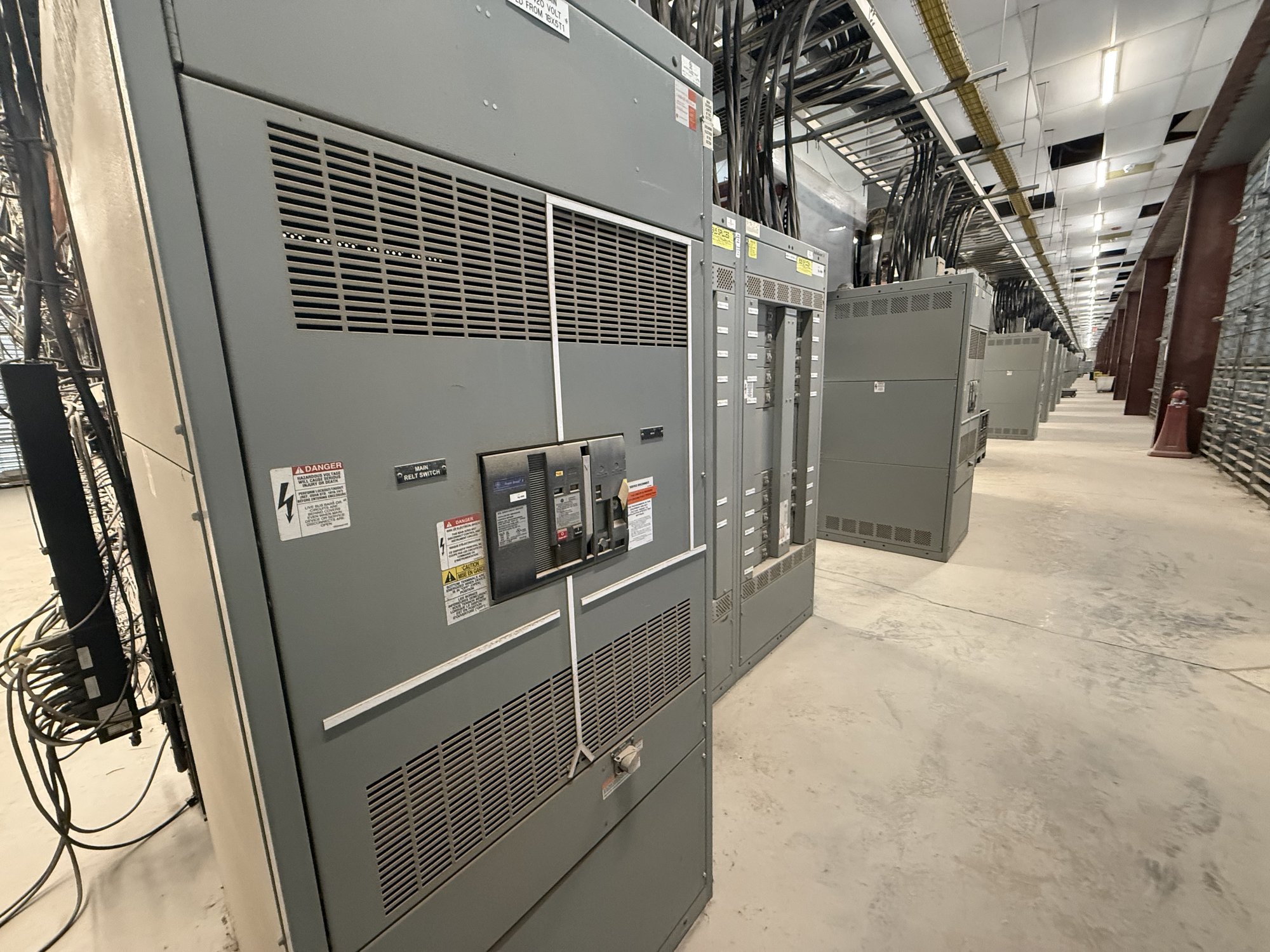
For low-voltage switchboard projects, clarify whether the scope calls for a UL 891 switchboard assembly and identify the service entrance, distribution sections, feeder quantities, metering, and specified protective devices. UL 891 applies to switchboards; it is not a blanket certification for medium- or high-voltage switchgear. If the project involves another voltage class or equipment type, state that clearly so the equipment scope can be reviewed on its own terms.
Document what the manufacturer is expected to furnish and what remains with the electrical contractor or other project parties. This may include incoming and outgoing connections, control interfaces, drive equipment, field wiring, supports, and installation work. A one-line diagram, panel or feeder schedule, and written scope notes can reveal gaps early. Final configuration, availability, and delivery timing are confirmed for each order rather than assumed from a general product description.
Make procurement decisions with constraints visible
Procurement should compare proposed configurations against the approved electrical documents, operating priorities, and site conditions—not just a summary of amperage or circuit count. Confirm required ratings, enclosure conditions, device types, metering, controls, and any project-specific documentation before releasing an order. If a design is still developing, identify open decisions and the date by which they must be resolved to support the project schedule.
For a quote, share the Savannah project location, equipment type and voltage class, one-line diagram, available fault-current data, motor schedule, enclosure environment, required options, and requested delivery window. Note whether the equipment is for new construction, a plant expansion, or a planned replacement, and explain known site access or receiving constraints. This information supports a meaningful scope review without presuming that an unconfirmed design detail is settled.
Plan Georgia delivery and handoff
Delivery to a Savannah project should be coordinated with the construction sequence and the receiving site. Confirm the delivery address, receiving hours, unloading responsibility, access restrictions, storage conditions, and the date the electrical contractor can accept the assembly. Large switchboards can require advance planning for doorways, handling equipment, staging space, and the route from receiving to the electrical room; verify those logistics with the project team before shipment.
A useful handoff includes approved drawings, equipment identification, installation and handling information provided for the order, and a clear list of items that remain for field completion. The qualified installation team should review the project documents and coordinate installation, inspection, testing, and energization with the responsible engineer and authorities. For a Savannah plant, the next step is to assemble the site exposure details, motor schedule, electrical documents, and delivery constraints so the proposed new equipment scope and timing can be confirmed individually.