Start with the project boundary
A useful quote request begins by defining what the equipment must serve and where the manufacturer’s scope starts and ends. Identify the building or process area, whether the request is for replacement equipment or a new installation, and which switchboard or switchgear lineups are included. Note related work by others, such as feeders, transformers, protective devices, or field modifications, so the proposed supply does not leave a gap in the project.
Share the project phase and the decision date that matters to procurement. A preliminary budget request may need different detail from a release for fabrication. If drawings are still developing, say which information is firm and which remains open. This allows the team to identify assumptions for review instead of treating an incomplete design as final.
Provide the electrical basis
For a meaningful technical review, provide the available one-line diagram, equipment schedules, and specifications. Include system voltage, phase and frequency, bus requirements, main and feeder arrangement, source configuration, and any documented short-circuit or coordination criteria. If a study or utility requirement governs the design, identify it and share the applicable information rather than estimating a rating from another project.
Describe the intended equipment type and applicable standards. UL 891 applies to switchboard assemblies; it should not be treated as a blanket listing for medium- or high-voltage switchgear. State the required enclosure, access, metering, control, and protective-device provisions, while flagging items that need engineer-of-record confirmation. Final design and ratings depend on review of the project documents and the applicable authority requirements.
Resolve fit and interface questions early
Physical constraints can change a lineup configuration and the delivery plan. Provide the equipment-room dimensions, access route, door and corridor limits, floor or housekeeping-pad information, and available working clearances from the current drawings. Clarify whether sections must pass through a restricted opening or arrive in a particular sequence. Do not assume that a standard shipping section will fit simply because the assembled lineup fits on a plan.
Document connections and interfaces that affect fabrication: cable entry direction, termination space, incoming source location, grounding provisions, control wiring, communications, and connection points to adjacent equipment. Identify existing gear that must remain in service or be removed by others. If field measurements are pending, list them as open items and assign responsibility for confirming them before the design is released.
Make the quote request actionable
For quote intake, send the project name or reference, delivery destination in the Athens area, requested ship-to conditions, quantity, target in-service date, and the latest available drawings and specification. Include the required submittal format, review sequence, and any procurement milestones. Explain whether the request includes equipment only or also requires drawings, testing documentation, or other defined deliverables; the exact scope is confirmed for each order.
Call out alternates, approved deviations, and unresolved choices clearly. For example, identify whether metering, communications, a particular device arrangement, or spare provisions are mandatory or still under evaluation. Share the names or roles of the parties who will review technical submittals and approve changes. A complete intake package helps surface scope questions before purchasing decisions or schedule assumptions become difficult to revise.
Coordinate Georgia delivery with site readiness
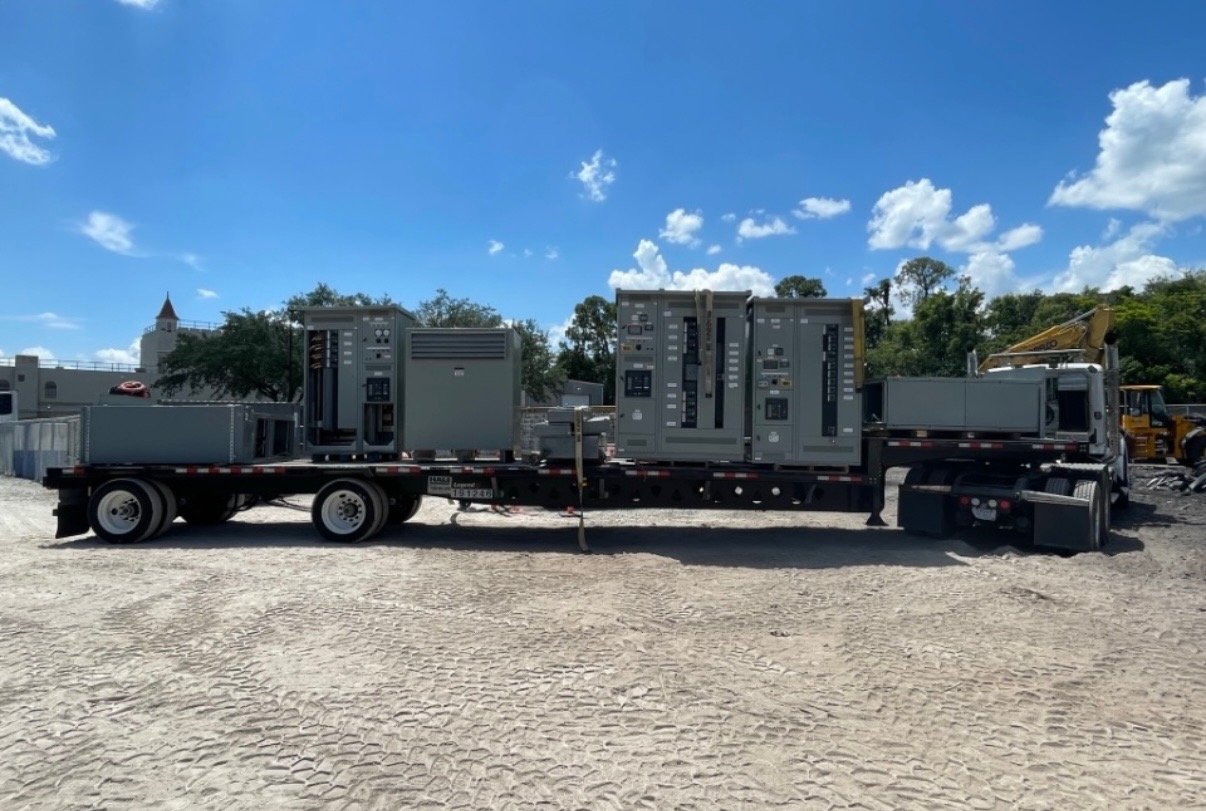
Delivery to Athens is part of the project plan, not just a destination on a quote. Confirm the receiving address, site access, unloading equipment, delivery-hour restrictions, staging area, and who can accept the shipment. Discuss whether sections should arrive together or in planned stages, and whether the site can protect equipment from weather and construction exposure. Shipping arrangements and timing are confirmed for the specific order; do not rely on an unverified transit estimate as a field schedule.
Align delivery with the installation sequence and the readiness of the electrical room. The project team should confirm that foundations, access, lifting provisions, and adjacent work are prepared before shipment. Identify who will inspect and document the shipment on arrival, and how visible damage or count discrepancies will be recorded and escalated. Installation, service, and energization should be performed by qualified personnel under the project’s approved procedures.
Carry decisions through handoff
After technical review, keep one controlled set of approved drawings and record decisions that affect the equipment: revised feeder schedules, device changes, interface locations, or room constraints. Route changes through the designated engineering and procurement reviewers before fabrication release. This reduces the chance that field expectations, purchase documents, and the approved configuration diverge.
For a focused Athens quote, gather the one-line diagram, specification, equipment schedule, room and access information, delivery requirements, and decision dates, then identify any gaps in that package. Ask the project engineer to resolve design-dependent ratings and approval questions, and ask procurement to confirm scope and milestone requirements. With those inputs organized, the manufacturer can review the requested configuration and confirm the order-specific scope, availability, and delivery plan.