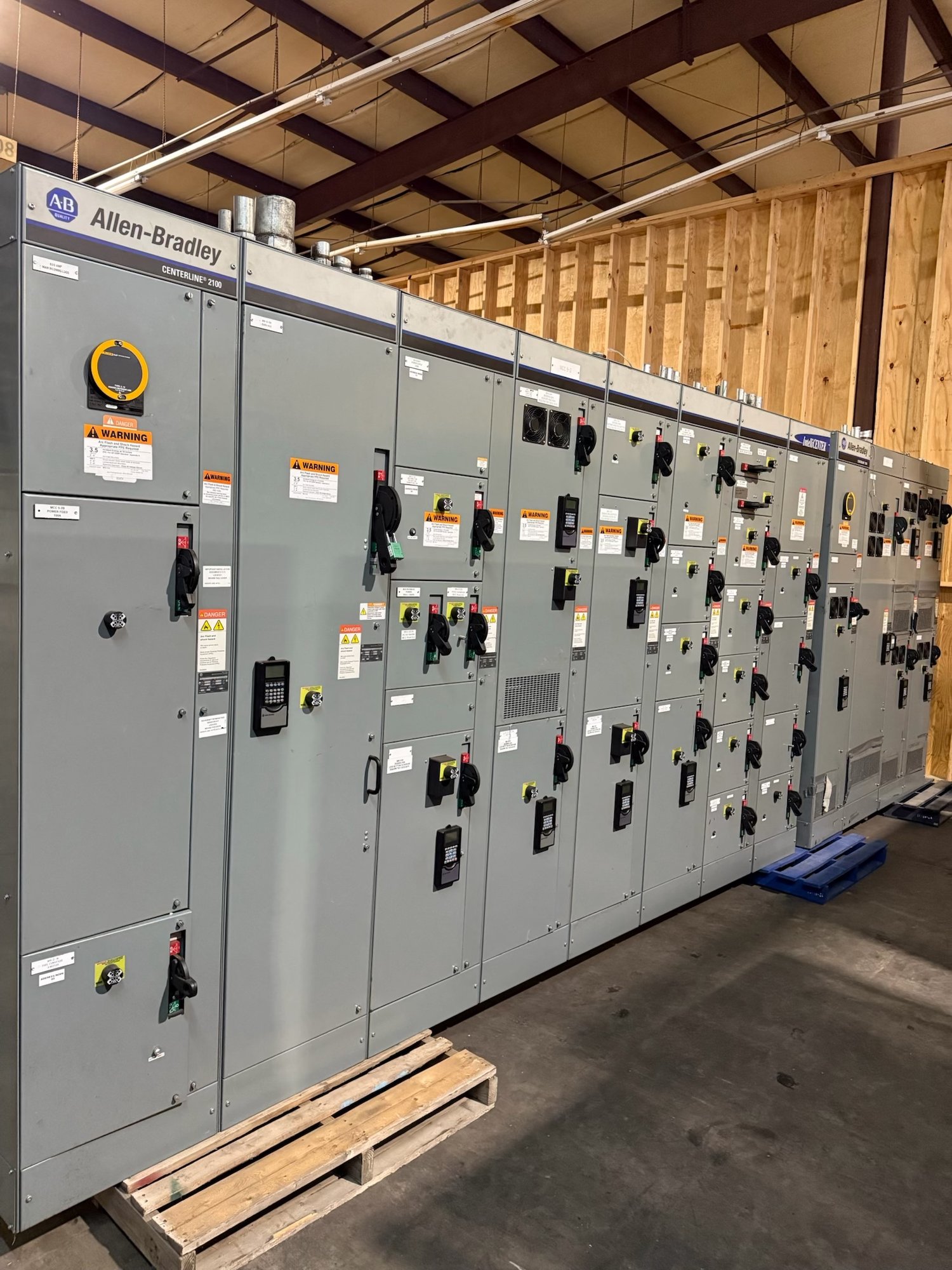
Coordinate transfers around patient care
A hospital’s power plan may include utility service, generators, automatic transfer switches, emergency distribution, and normal and essential electrical branches. The switchgear scope depends on where these systems connect and which loads must remain supplied during a source change. Start with the one-line diagram and identify the equipment boundaries, transfer points and downstream systems affected by the proposed assembly.
Transfer sequence is an engineering decision, not a catalog assumption. Confirm which source combinations are permitted, whether transitions are open or closed, what interlocking is required, and how abnormal conditions should be handled. The facility’s electrical engineer and responsible operations team should establish the sequence and review any effects on generator loading, coordination and continuity before equipment is specified.
Plan outage windows before release
In an occupied hospital, access to an installation window can constrain the project as much as the switchgear footprint. Identify the affected services, temporary-power requirements, permitted outage duration, switching authority and planned recovery steps early. The manufacturer’s scope can be coordinated with a defined sequence, but installation, cutover and energization planning remain the responsibility of qualified project teams working with hospital operations.
For a replacement or expansion, document what must remain in service while existing equipment is disconnected, and whether phased work is feasible. Record known shutdown restrictions, temporary connection points and dependencies on other trades. Do not assume a proposed assembly can be installed or transferred without interruption; feasibility depends on the existing system, approved procedures and the project’s engineering review.
Define the assembly from project documents
A useful quote package includes current one-line and three-line diagrams where available, equipment schedules, electrical specifications, room plans, cable and conduit entry requirements, and the intended connection points. Include known system voltage, bus and breaker requirements, fault-current and withstand criteria, enclosure conditions, metering, controls and communication interfaces. These details let the equipment scope be evaluated against the actual design rather than an assumed hospital configuration.
For UL 891 switchboard assemblies, identify the specified standard and the exact assembly boundaries in the project documents. UL 891 applies to switchboards; it does not establish a blanket listing for medium- or high-voltage switchgear. If the project includes other equipment classes or ratings, state them separately so engineering review can determine the applicable requirements and responsibilities.
Resolve interfaces and constraints
Hospital projects often involve existing generators, transfer equipment, protective relays, building controls and equipment from multiple project phases. Share available settings, control diagrams, interface schedules and manufacturer data for connected equipment. Clarify who supplies relays, sensors, control wiring, programming and field connections, and who verifies coordination and end-to-end operation. Missing interface information can affect both the proposed scope and the project handoff.
Room access also matters. Provide equipment-room dimensions, door and corridor clearances, floor or housekeeping-pad information, service access needs and restrictions on delivery routes. Confirm whether the project requires particular section arrangements, shipping splits or field assembly. These are design and logistics inputs, not details to infer from a general hospital application.
Confirm Atlanta delivery and project scope
For an Atlanta project, share the delivery address, site receiving hours, unloading arrangements, access restrictions and required delivery sequence. Georgia delivery and service coverage are reviewed for each project; the address and scope must be confirmed before schedule and logistics are established. Nationwide shipping supports projects across the United States, but no delivery date, route, local presence or field service scope should be assumed without order-specific confirmation.
Purchasing teams can help avoid scope gaps by identifying the required submittal package, review milestones, approved substitutions process, document format, requested ship window and any coordination with construction phases. State which items are included in the manufacturer’s supply and which remain with the engineer, installer, controls contractor or commissioning team. Confirm availability and timeline against the final configuration and order requirements.
Make the handoff actionable
Before requesting a quote, send the latest drawings and specifications, describe the normal and emergency sources, identify transfer and outage constraints, and list the required ratings, interfaces and delivery conditions. Flag open engineering decisions rather than treating them as settled. The project team can then review the proposed new equipment scope, identify information still needed and confirm whether the requested configuration can be quoted.
After scope alignment, keep approved drawings, interface responsibilities, delivery assumptions and change control connected through submittals and release. Have the responsible engineer and authority review the design, and have qualified personnel manage installation, testing and energization. For an Atlanta hospital project, the next step is to assemble the current documents and site constraints so equipment scope, coverage and schedule can be verified for that specific job.