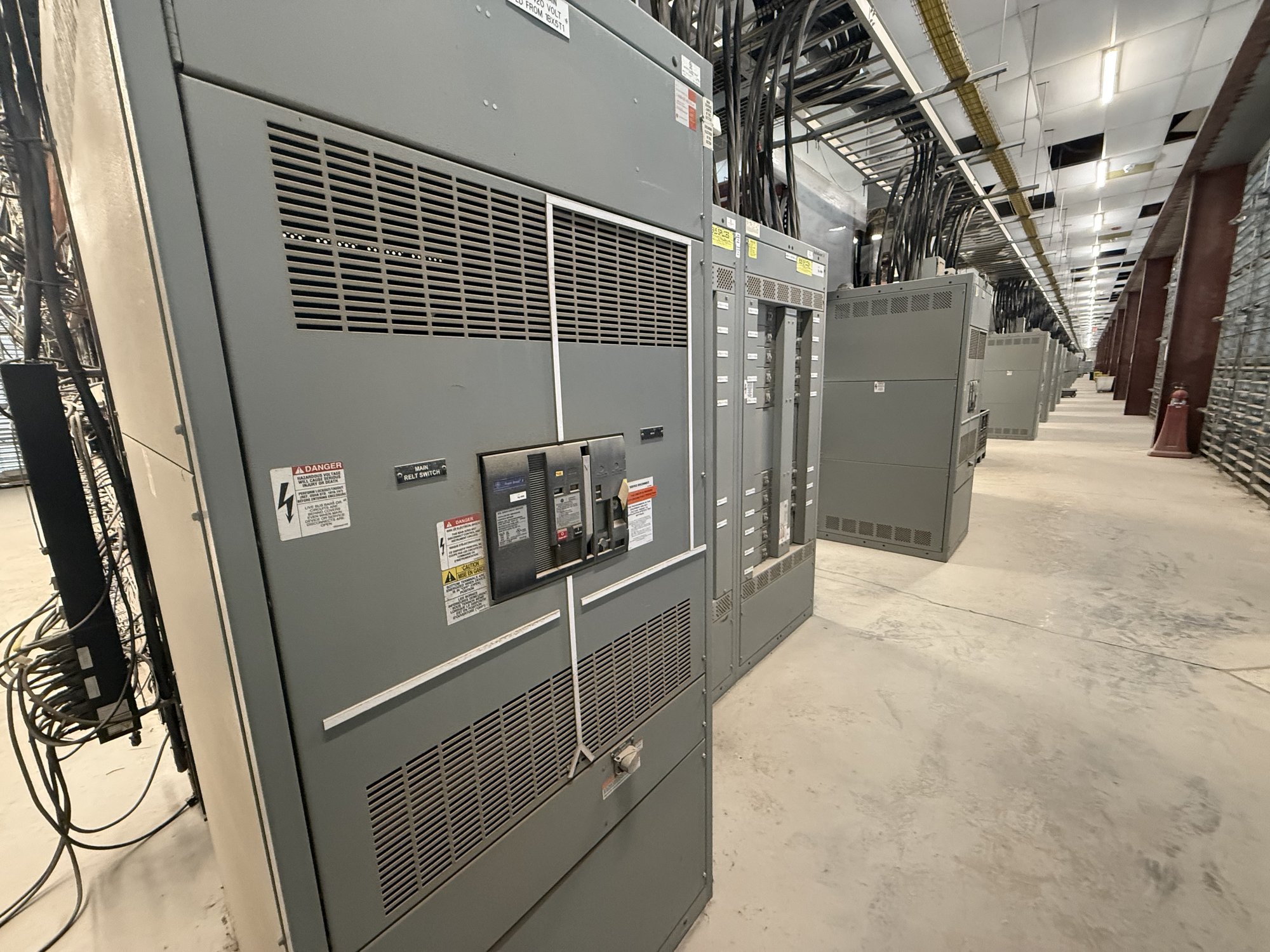
Define the equipment and project boundary
Start by identifying what the project requires: a low-voltage switchboard, another switchgear assembly, or a coordinated package that includes related distribution equipment. Note whether the work is new construction, a capacity addition, a replacement, or a phased upgrade. The intended function matters because a service entrance assembly, a distribution lineup and equipment feeding a specific process can have different layouts and coordination needs.
For a UL 891 switchboard assembly, provide the applicable one-line diagram and identify the intended service and distribution arrangement. UL 891 applies to switchboards; it should not be treated as a blanket listing for medium- or high-voltage switchgear. For any equipment type, the project engineer and authority having jurisdiction must review the proposed design, ratings and application before release or installation.
Share the electrical details that shape a quote
A useful quote request includes the available system voltage, phase and frequency; the indicated short-circuit or fault-current requirements; main and feeder device information; and the number and purpose of outgoing circuits. Include the specified bus rating, neutral and grounding arrangement, enclosure requirements, metering, protective functions and any required control or communications interfaces. If a detail is unresolved, mark it as pending rather than assuming a value.
Send the latest one-line diagram, equipment schedule, specifications and relevant plan or elevation drawings when available. Identify drawing revision dates and call out conflicts between documents. Also state the requested equipment quantity, preferred submittal sequence, target shipment window and whether pricing should include options or alternates. Clear inputs help separate confirmed requirements from questions that need engineering review.
Coordinate customization and procurement decisions
Custom-built configurations can be evaluated against the project’s electrical requirements and physical constraints. Explain which features are mandatory and which are preferences, such as compartment arrangement, cable entry, front or rear access, metering location, control wiring or spare provisions. Provide available room dimensions, aisle clearances, door and equipment access paths, and any limits on shipping size or handling. These details affect layout and delivery planning, but do not replace a field-verified installation design.
Procurement teams can make review more efficient by naming the approving engineer, identifying the specification sections that govern, and explaining how deviations or substitutions are handled. Confirm who will review drawings and who can resolve technical questions. American-made components and short lead times are project priorities, not assumptions about a particular part’s availability or delivery date; exact scope, sourcing, schedule and commercial terms are confirmed for each order.
Plan delivery to the Augusta site
For delivery in the Augusta area, provide the complete destination address, site contact role, receiving hours, delivery restrictions and the date range the site can accept equipment. Describe truck access, turning or height limits, unloading equipment, dock or ground-level conditions, and the route from the receiving point to the installation area. If a project has multiple buildings, phases or delivery points, identify each destination and explain how the equipment should be grouped.
Shipping is coordinated to the confirmed order scope and schedule; a Georgia destination does not imply a local storefront, local inventory or a guaranteed arrival date. Align the requested shipment window with construction milestones, storage capacity and the planned electrical shutdown or installation sequence. The site team should verify that receiving and material-handling arrangements are ready before dispatch, and the project lead should communicate changes to access or delivery timing promptly.
Make drawing review and handoff explicit
Before production, establish which documents must be reviewed and approved, including equipment layouts, connection details, schedules and any project-specific notes. Keep comments consolidated, identify the responsible reviewer and distinguish required corrections from informational observations. Confirm the revision that governs the order. Changes to ratings, devices, dimensions, cable entry or control interfaces after approval may affect configuration, cost or schedule, so route changes through the designated project decision-makers.
At handoff, coordinate the approved equipment documents with the installing electrical contractor and the engineer responsible for the system. Confirm shipping configuration, receiving responsibilities, storage conditions and the latest installation information supplied for the order. Qualified personnel must handle installation, servicing and energization under the approved design and applicable project requirements; equipment documentation does not substitute for site-specific engineering or authority review.
Prepare a complete Augusta quote request
To request a quote, share the project location and requested ship window; equipment type and scope; current one-line diagram and specification; key electrical ratings and device schedule; required options; drawing and approval expectations; and site access and receiving details. Include the quantity, project phase, delivery destination and the name or role of the technical decision-maker. Flag open questions so the quote process can identify what needs confirmation rather than silently filling gaps.
If the design is still developing, send the current documents and state what remains undecided, such as fault-current data, feeder quantities, enclosure dimensions or delivery sequence. We can review the stated scope and clarify what information is needed to confirm configuration, availability and timing. This gives Augusta project teams a concrete next step: assemble the latest design package, mark unresolved requirements and submit the delivery constraints with the quote request.