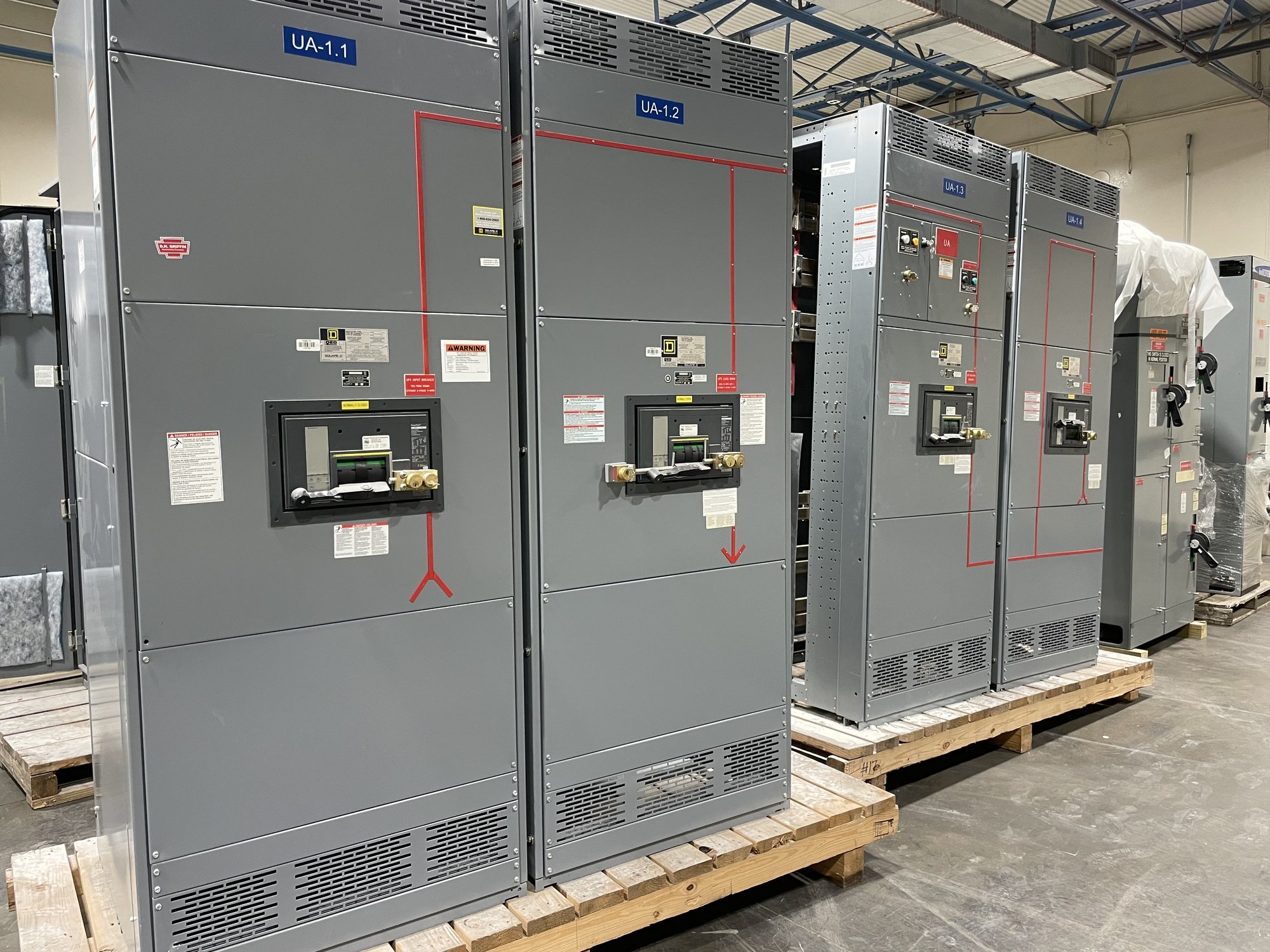
Start with the essential electrical system
Hospitals typically divide electrical loads by function and the level of interruption they can tolerate. The essential electrical system may include life-safety, critical and equipment branches, while other loads remain on the normal system. The facility’s electrical engineer determines which loads belong on each branch, how they are grouped, and how the applicable healthcare requirements affect the design. Switchgear and switchboards should reflect those decisions rather than establish them.
For a quote, share the one-line diagram, load schedules, branch designations, system voltage, phase and wire configuration, and the project’s stated fault-current and equipment-rating requirements. Identify normal and alternate sources, generator interfaces and the intended transfer arrangement. If design details are still under review, flag open items clearly so equipment scope does not turn assumptions into construction requirements.
Coordinate transfer and source relationships
Transfer equipment connects loads to alternate power when the normal source is unavailable, but the arrangement depends on the approved system design. Confirm whether transfers are open transition or another specified method, which loads transfer together, and whether separate transfer devices or coordinated assemblies are required. Identify the source and destination for every feeder, including generator, utility and any other designed alternate source. The engineer should resolve sequencing, interlocking, grounding and protection coordination.
Switchgear, switchboards and transfer equipment may be furnished as distinct products or coordinated within a broader distribution package. Establish responsibility for transfer controls, generator controls, protective devices, wiring between sections and system-level testing. A manufacturer can build to the issued requirements; the project engineer and relevant authorities determine whether the arrangement satisfies the facility’s design and applicable requirements.
Apply healthcare requirements to the project
Healthcare electrical work is governed by requirements that can depend on facility type, space use, project scope and the adopted editions of applicable codes and standards. The design team should identify requirements for essential electrical systems, branch separation, emergency power, equipment locations and testing. Do not assume that a general hospital application establishes the correct design for every clinical area, renovation or support space; confirm the governing criteria with the engineer and authority having jurisdiction.
UL 891 applies to switchboard assemblies, not as a blanket listing for medium- or high-voltage switchgear. When a project specifies UL 891 equipment, identify which assembly is covered and state the required construction and documentation. Specify medium-voltage equipment separately using the project’s applicable standards and ratings. Certification scope, component details and assembly configuration must be confirmed for the exact proposed equipment rather than inferred from a product category.
Resolve ratings, space and interfaces
Procurement documents should define the required continuous-current and short-circuit ratings, protective-device types, bus arrangement, enclosure and environmental conditions, metering, controls and entry orientation. Provide available fault-current information and the design basis for protective coordination. Confirm whether the equipment is service entrance, distribution, generator-related or dedicated to particular essential branches. These details shape the assembly and help prevent mismatches between the one-line diagram, schedules and purchase scope.
Hospital projects often have tight electrical rooms, constrained access routes and phased renovation work around occupied areas. Provide room elevations, clearances, door and corridor dimensions, cable approach, floor or housekeeping-pad information, and the planned delivery and setting sequence. Identify shutdown windows, temporary-power dependencies and interfaces with existing equipment. Exact configuration, component availability and production timeline are confirmed for each order after the requirements and approved submittals are reviewed.
Plan procurement and Georgia delivery
A useful purchase package includes the approved one-line diagram, specifications, equipment schedules, project milestones, submittal requirements and a clear list of exceptions or unresolved decisions. State whether the scope includes switchgear, UL 891 switchboards, transfer equipment or selected combinations, and identify controls, accessories, drawings and test documentation required at handoff. Ask for an itemized scope so the contractor can coordinate furnished equipment with field-installed feeders, controls and other trades.
For Georgia delivery, coordinate the ship-to site, receiving hours, access restrictions, unloading responsibility, storage conditions and required arrival sequence before release. Nationwide shipping can support projects across Georgia, but delivery planning depends on the specific equipment and site arrangements; confirm the schedule for the order rather than assuming a guaranteed date. Before requesting a quote, send the electrical documents, required ratings, transfer scheme, room constraints, submittal needs and target milestones, then resolve design questions with the project engineer before approving the equipment.