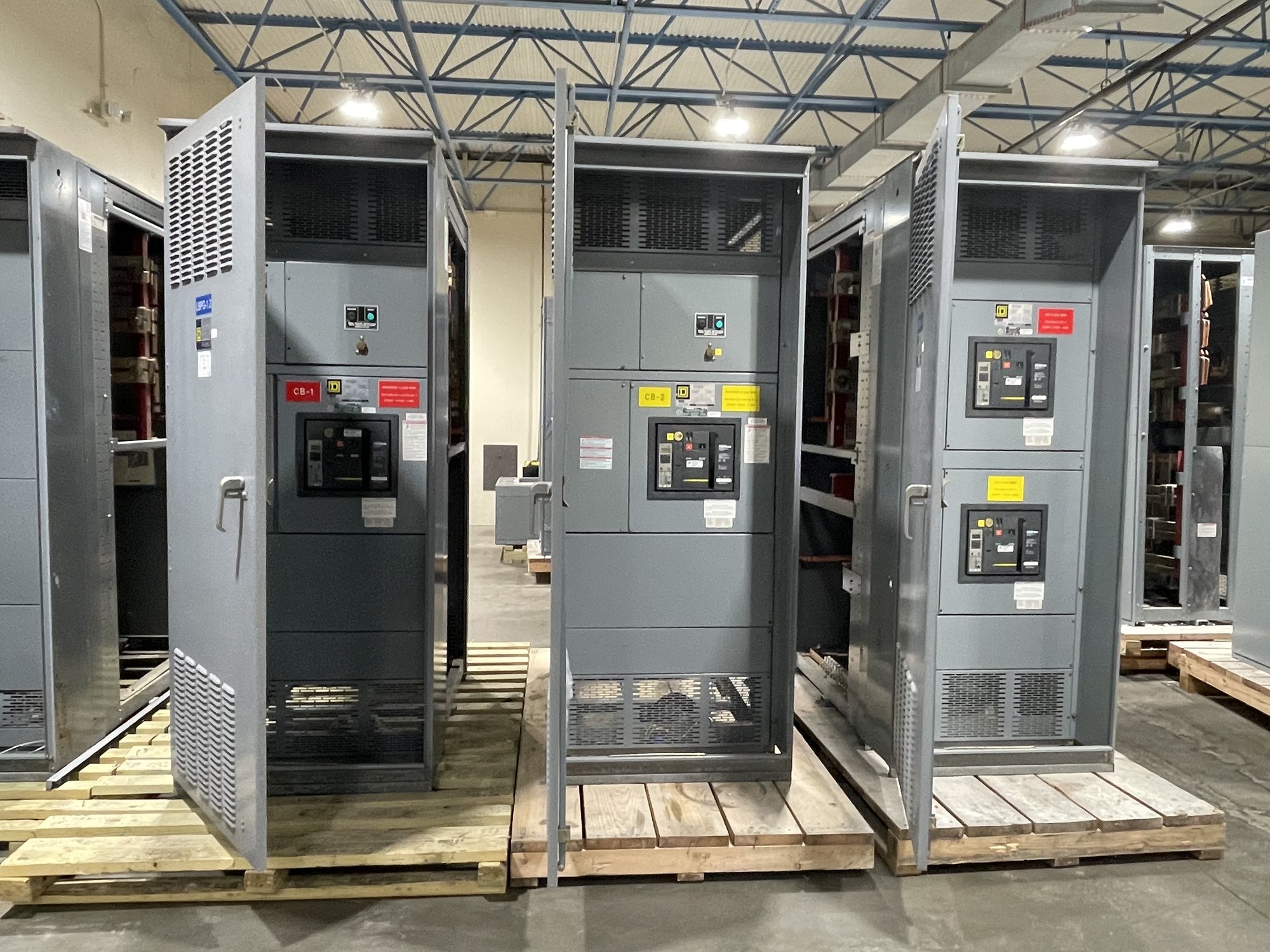
Choose the right distribution equipment
A panelboard is typically selected to serve lighting, receptacle, equipment or other branch circuits from an upstream source. A switchboard or other distribution assembly may be more appropriate when the project needs higher-level distribution, multiple sections, larger feeder arrangements or a different form of service equipment. The boundary depends on the electrical design, not just the number of circuits or the name used on a drawing.
Start by identifying what the panelboard will supply and where it sits in the distribution system. Provide the one-line diagram, upstream protective device information and intended use. These details help distinguish a branch-circuit panel from a feeder-distribution application and prevent a quote from assuming an arrangement that does not fit the project.
Define circuits and electrical requirements
Prepare a circuit schedule that identifies each load, pole count, expected demand and any special operating needs. Note spare or future circuit positions separately from active loads, and identify any required spaces, subfeed arrangements or unusual breaker configurations. Confirm the system voltage, phase and wire arrangement, as well as the available fault-current information and required interrupting ratings through the project engineer.
Breaker frame and trip requirements, main-device arrangement and coordination with upstream and downstream protection should follow the engineered design. Include connected-load calculations and any relevant study requirements rather than relying on a generic panel size. If the schedule is incomplete, flag open items and assumptions so they can be resolved before fabrication; final equipment details depend on design review and order scope.
Match the enclosure to its location
The installation environment determines important enclosure choices. Specify whether the panelboard will be indoors or outdoors, and describe exposure to moisture, dust, washdown, corrosive agents, temperature extremes or other site conditions. Identify the mounting method and available wall or floor space. The enclosure type and construction must be selected for the actual location and application, not inferred from a building name or a general description such as industrial.
Record access and clearance constraints, including door swing, working space, conduit entry zones and nearby piping or equipment. Note whether the panel is recessed or surface mounted and provide the intended cable approach. A dimensioned plan, elevation or photographs can help clarify existing conditions, but they do not replace field verification and engineering review before installation.
Plan installation and coordination
Panelboard dimensions, weight, feeder routing and termination space affect installation sequencing. Coordinate the selected location with architectural layouts, structural support, conduit paths and the upstream source. Confirm who is responsible for supplying and installing feeders, grounding and bonding conductors, overcurrent devices and any required field connections. The project team should resolve those interfaces before equipment is released for construction.
Installation, inspection and energization must be performed by qualified personnel under the applicable project requirements and authority review. Confirm the project’s required documentation, equipment labels and inspection process with the responsible engineer and authority having jurisdiction. Do not assume that a particular configuration or rating is acceptable until the design and installation details receive the required review.
Prepare a complete quote request
For a useful quote, provide the one-line diagram, circuit schedule, system voltage and phase, main-device requirements, fault-current information, enclosure location and environmental conditions. Include requested dimensions, mounting approach, conduit entry preferences, accessory requirements and any project specifications. Identify whether the panelboard serves new construction, a renovation or a replacement so the team can account for the scope and available installation information.
State the required quantity, project location in Georgia, requested delivery window and any receiving or site-access restrictions. Include the submittal and approval milestones that govern release, along with the name of the party responsible for final technical decisions. American-made components and custom-built configurations may be considered according to the specified scope; component availability and the schedule are confirmed for each order.
Connect delivery to the project handoff
Georgia delivery planning should align with site readiness, unloading capability and the contractor’s installation sequence. Tell the manufacturer whether the shipment goes to a jobsite, warehouse or other receiving point, and identify appointment, access or handling constraints. Nationwide shipping supports projects across the state, but the delivery plan and timing depend on the completed configuration, order requirements and confirmed logistics.
Before release, reconcile the approved submittal with the final circuit schedule, enclosure details, device arrangement and shipping destination. Assign responsibility for reviewing changes so revisions do not create conflicts between equipment and field conditions. Gather the one-line diagram, circuit schedule, enclosure requirements, fault-current basis and delivery constraints into one quote package; resolving those items early gives the project team a clearer path from selection to installation.