Set the comparison period and boundaries
Choose a planning period that supports the decision, such as the facility’s capital plan or an anticipated equipment replacement cycle. State the start date, end date and whether the analysis compares new switchgear options, replacement now versus later, or different configurations. Use the same period and cost categories for each option; otherwise, a lower quoted price can appear favorable simply because later expenses were left out.
Define what counts as switchgear cost. Depending on project scope, include the equipment, engineering coordination, freight to the Georgia site, installation, commissioning, planned shutdown work and any required modifications to connected systems. Identify exclusions explicitly. Separate one-time project spending from recurring expenses, and apply the organization’s financial method consistently, including discounting future costs if required.
Compare more than the equipment price
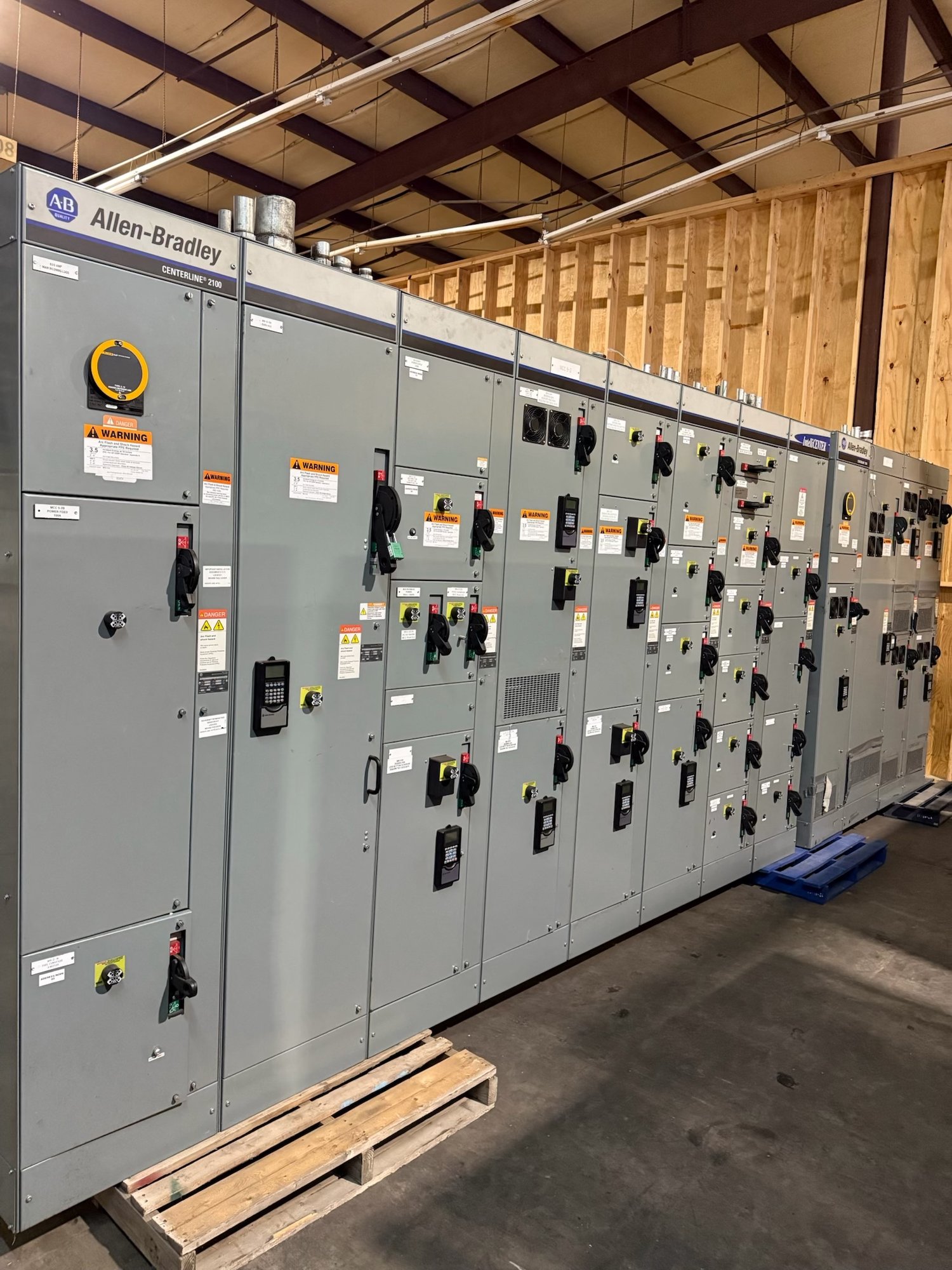
A new assembly’s purchase price is only one input. Compare the proposed sections, bus arrangement, protective devices, metering, control features and enclosure requirements against the actual one-line diagram and operating needs. A configuration that omits required functions may look less expensive but shift costs to field changes, additional components or a later upgrade. Have qualified engineering personnel review the application and the authority having jurisdiction assess applicable requirements.
Ask suppliers to define the quotation scope and identify assumptions that affect cost: included components, documentation, factory testing, packaging, freight, schedule basis and any work expected from others. For switchboard assemblies specified to UL 891, confirm the applicable assembly scope and documentation for the proposed configuration. UL 891 applies to switchboards; it does not establish a blanket listing for medium- or high-voltage switchgear. Confirm exact equipment scope for each order.
Model maintenance and support needs
Estimate routine inspection, cleaning, exercising, testing and component replacement using a maintenance plan suited to the equipment and facility conditions. Include labor, planned outages, testing resources and access constraints where those costs fall within the chosen comparison. Do not assume that every device has the same maintenance interval or that a particular configuration eliminates maintenance; use manufacturer documentation and the facility’s engineering assessment to establish assumptions.
Consider how parts, technical documentation and qualified service resources may affect future work. Record which items are standard, custom or subject to confirmation, and whether critical replacements can be identified from the equipment schedule. For a manufacturer-built configuration, clarify the documents supplied at handoff and what support is included or separately scoped. Avoid assigning a dollar value to support until its scope and availability are confirmed.
Account for outages and energy losses
Outage exposure can outweigh small differences in purchase price, especially where lost production, interrupted building operations or recovery work has material cost. Estimate consequences from facility-specific operating data: affected loads, outage duration assumptions, restart effort and any redundancy or transfer arrangements. Treat these as scenarios, not promises about failure frequency. Have operations and engineering staff agree on the assumptions, and distinguish planned maintenance shutdowns from unplanned interruptions.
Energy losses also deserve a measured comparison when reliable data are available. Use the expected loading profile, operating hours and equipment information to estimate losses across the planning period; do not extrapolate from a single peak-load reading. Document the source and uncertainty of every input. If efficiency data for alternatives are not comparable, request consistent information rather than treating unsupported estimates as savings.
Include replacement and project constraints
Replacement cost depends on more than the future equipment price. Consider removal, disposal under applicable requirements, engineering, installation, outage coordination, changes to conductors or protection, and any work needed to fit the existing electrical room. A future replacement date is an assumption, not a guaranteed service life. Test several plausible dates or cost scenarios so decision-makers can see how sensitive the comparison is.
For Georgia delivery, align the equipment configuration and shipment plan with site access, receiving capacity, construction sequence and the planned outage window. Confirm delivery location, unloading responsibility, packaging needs, required submittals and the date the equipment must be available for installation. Nationwide shipping can support a Georgia project, but scope, availability and schedule are confirmed for each order rather than presumed from a general estimate.
Turn the analysis into a quote-ready decision
Build a concise comparison table with the planning period, initial project scope, maintenance assumptions, outage scenarios, energy-loss inputs, support costs and replacement case. Show which values are quoted, measured, estimated or still unknown. A range is more credible than false precision when outage costs, future labor or replacement timing remain uncertain. Review the result with facilities, engineering, procurement and finance before selecting an option.
For a useful quote, share the one-line diagram, existing equipment details, required ratings and protective functions, preferred configuration, project location in Georgia, site constraints, delivery window, documentation needs and planning period. Identify which costs you want included and any assumptions that must be held constant across alternatives. With those inputs, compare the new equipment scope against lifecycle priorities and resolve open questions before procurement and project handoff.