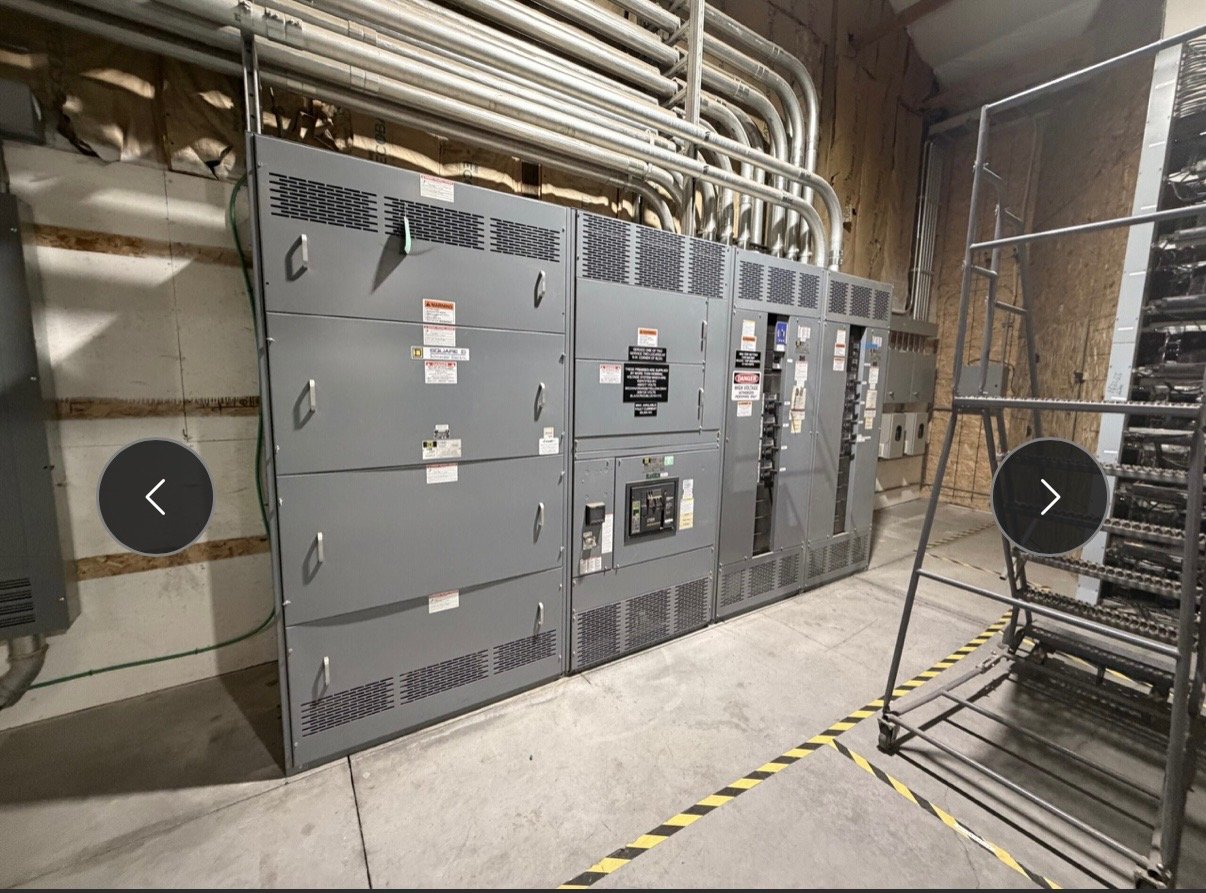
Match coverage to the quoted equipment
Start with the warranty document that will govern the specific order. Confirm which assemblies and components are included, when coverage begins, how long it applies, and whether the term differs for switchboard sections, breakers, controls or accessories. Ask that the quote identify the equipment covered and the documents that become part of the final agreement. For UL 891 switchboard assemblies, distinguish the assembly standard from warranty coverage: UL 891 does not define commercial warranty terms.
Check that the proposed configuration is described accurately enough to avoid ambiguity after delivery. Identify voltage and service arrangement, main and feeder devices, metering, protective relays, control power, communications components, and any specified enclosure or environmental features. If a project includes field-installed or third-party equipment, ask which party warrants each item and how the boundaries between supplied components and site work are documented. Exact coverage depends on the order and written terms.
Read exclusions against the installation plan
Review exclusions alongside the intended transport, storage, installation and operating conditions. Warranty language may address damage, improper handling, unauthorized modification, unsuitable environment, incorrect application or failure to follow instructions. Ask what records or evidence are needed if a claim is made, and whether a specific inspection, commissioning step or approved procedure is required. Do not assume that an exclusion applies—or does not apply—without checking the actual document.
For Georgia projects, consider the route from delivery point to final electrical room, including unloading arrangements, site access, storage conditions and protection from moisture, dust or construction activity. Confirm who is responsible for receiving inspection and documenting visible shipping damage, and what notification process and timeframe the order specifies. Coordinate these tasks with the contractor and site team before shipment; do not treat a warranty as a substitute for suitable handling or work by qualified electrical personnel.
Clarify service contacts and claim process
Before release, record the designated service contact and the exact channel for reporting a concern. Ask what information to provide, such as order or serial identification, equipment location, description of the issue, photographs, operating history and relevant test records. Confirm the process for determining whether a reported condition falls within coverage, who arranges any inspection, and how responsibility for corrective work is established under the written terms.
Avoid relying on an informal contact name or a general promise of support. Ask whether the warranty document specifies service availability, geographic limits, travel or labor treatment, parts handling, and any response commitments. If the project requires a particular escalation path or coordination with an electrical contractor, raise that requirement during quotation. Availability and scope of support must be confirmed for the individual order; do not infer a guaranteed response time or field-service arrangement from the equipment quote alone.
Set maintenance duties before handoff
Warranty terms may require operation and maintenance in accordance with supplied instructions, retention of records, or inspection by qualified personnel. Ask which manuals, drawings, test documentation and maintenance guidance will be provided, when they are expected, and which party will receive them. Compare stated duties with the facility’s maintenance program, staffing and access procedures. A requirement that cannot be assigned clearly during procurement can be difficult to demonstrate later.
Make the handoff practical: identify the owner of maintenance records, the contractor responsible for initial site work, and the facility role responsible for ongoing equipment care. Clarify whether routine inspections, cleaning, exercising devices or testing are addressed in the supplied instructions, and what activities require qualified electrical personnel. Do not assume a warranty includes periodic maintenance, commissioning, training or future service unless the written purchase documents expressly say so.
Resolve scope and timing before purchase
For a quote, share the one-line diagram or available project drawings, equipment schedule, required ratings and configuration, installation location, delivery destination in Georgia, and anticipated project milestones. Include any owner-required warranty form, service-contact expectations, maintenance standards or handoff documents. Ask the manufacturer to identify applicable warranty terms, exclusions, required customer actions and any differences between standard terms and requested project conditions.
Review the final quote, warranty document, approved submittals and order scope together before authorization. Confirm that requested changes have been accepted in writing, and assign delivery inspection, installation documentation and maintenance-record responsibilities by name or role. Georgia delivery planning should align with site readiness and receiving capability; shipment timing and equipment availability are confirmed for each order. Resolve open questions before release, then retain the agreed documents with the facility’s equipment records.