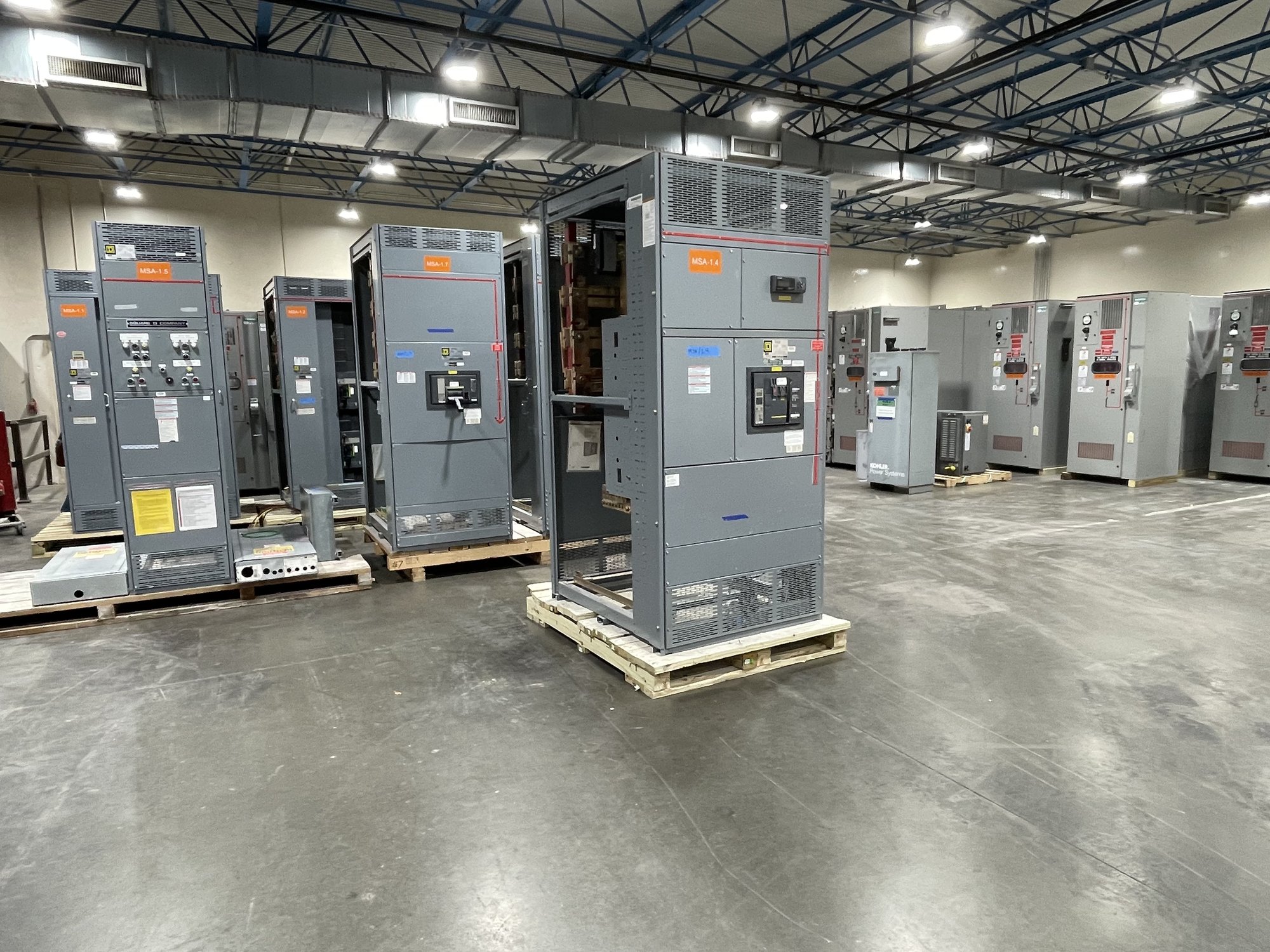
Define the equipment and project boundary
State what the proposal should include and where the equipment connects to the rest of the electrical system. Identify the equipment type, intended application, quantity, and whether the request covers a complete assembly, replacement sections, or associated components. For a low-voltage switchboard, specify whether the project calls for a UL 891 switchboard assembly. That standard applies to switchboards; it should not be treated as a general certification for medium- or high-voltage switchgear.
Describe the project stage and the documents available: issued-for-bid drawings, preliminary one-lines, equipment schedules, or an existing lineup record. Note what is fixed and what remains open to engineering. If a proposal must follow a bid form, alternate schedule, or procurement specification, identify those requirements and the requested format so the quote can address the same scope.
Document the electrical configuration
Share the system information needed to evaluate the proposed arrangement, such as nominal voltage, phase and wire configuration, source arrangement, and available fault-current information when established by the project engineer. Include a current one-line diagram and identify incoming and outgoing circuits, bus ties, metering, protection, and any planned spare provisions. Mark unknown values as pending rather than assuming them.
For each feeder or device position, provide the function, quantity, and relevant electrical requirements from the project documents. Clarify whether the design calls for fixed or drawout devices, specific trip or control features, and any coordination or selective-operation objectives. The manufacturer can review the requested configuration against the supplied engineering basis; final ratings and design decisions require appropriate engineering and authority review.
Make interfaces explicit
Identify every connection the assembly must accommodate. Describe incoming and outgoing cable or bus connections, entry direction, conductor material and size when known, termination preferences, and whether field access is needed from the front, rear, or both. Include connection details for control wiring, communications, metering, and external interlocks, along with the relevant drawings or interface standards.
Explain how the equipment relates to upstream and downstream devices, generators, transformers, transfer equipment, or building systems. Provide the names and revision dates of interface documents, and flag any signals or responsibilities that are not yet assigned. A simple responsibility note can prevent gaps—for example, identifying which project party supplies external control wiring or confirms a connection dimension.
Provide usable dimensional and site constraints
Send the available room plan, equipment elevation, access route, and installation clearances. State maximum overall width, height, and depth; doorway and corridor limits; floor loading information if applicable; and any restrictions on moving or assembling the lineup at the site. Identify wall, column, trench, and overhead obstructions that may affect placement or access.
Clarify cable entry locations, conduit zones, housekeeping pad or floor conditions, and the intended lineup orientation. Distinguish verified field measurements from planning assumptions, and include tolerances or measurement dates where they matter. If the equipment must fit a defined footprint or align with existing gear, provide the controlling dimensions and the source drawing rather than relying on an approximate description.
Set testing and documentation expectations
List the inspections, production tests, and records required by the project specification, and identify any requested witness points or hold points. State who reviews test procedures, how much notice the project requires, and whether the schedule depends on witness availability. Requirements should be explicit; do not assume a particular test, report, or certification is included unless the proposal confirms it.
Name the submittals needed for engineering and procurement review, such as arrangement drawings, wiring diagrams, device schedules, bills of material, or test documentation. Give the required file format, review sequence, and approval deadlines if established. Flag project-specific labeling, language, or document-control rules so the proposal can distinguish included deliverables from items that need clarification.
Coordinate the proposal with Georgia delivery
For delivery planning in Georgia, provide the complete ship-to location, receiving contact role, requested delivery window, and site receiving hours when known. Note whether the destination is an active facility or construction site, whether appointment scheduling is required, and what unloading equipment or access limitations apply. These details help evaluate the shipping approach without assuming a delivery date or site capability.
Before requesting the quote, collect the latest one-line, dimensional drawings, equipment schedule, specification, interface details, and a list of unresolved questions. Mark each document with its revision and identify the person responsible for design decisions. Ask the proposal to state its configuration, exclusions, open assumptions, required approvals, and schedule basis; exact scope, availability, and timing are confirmed for each order.