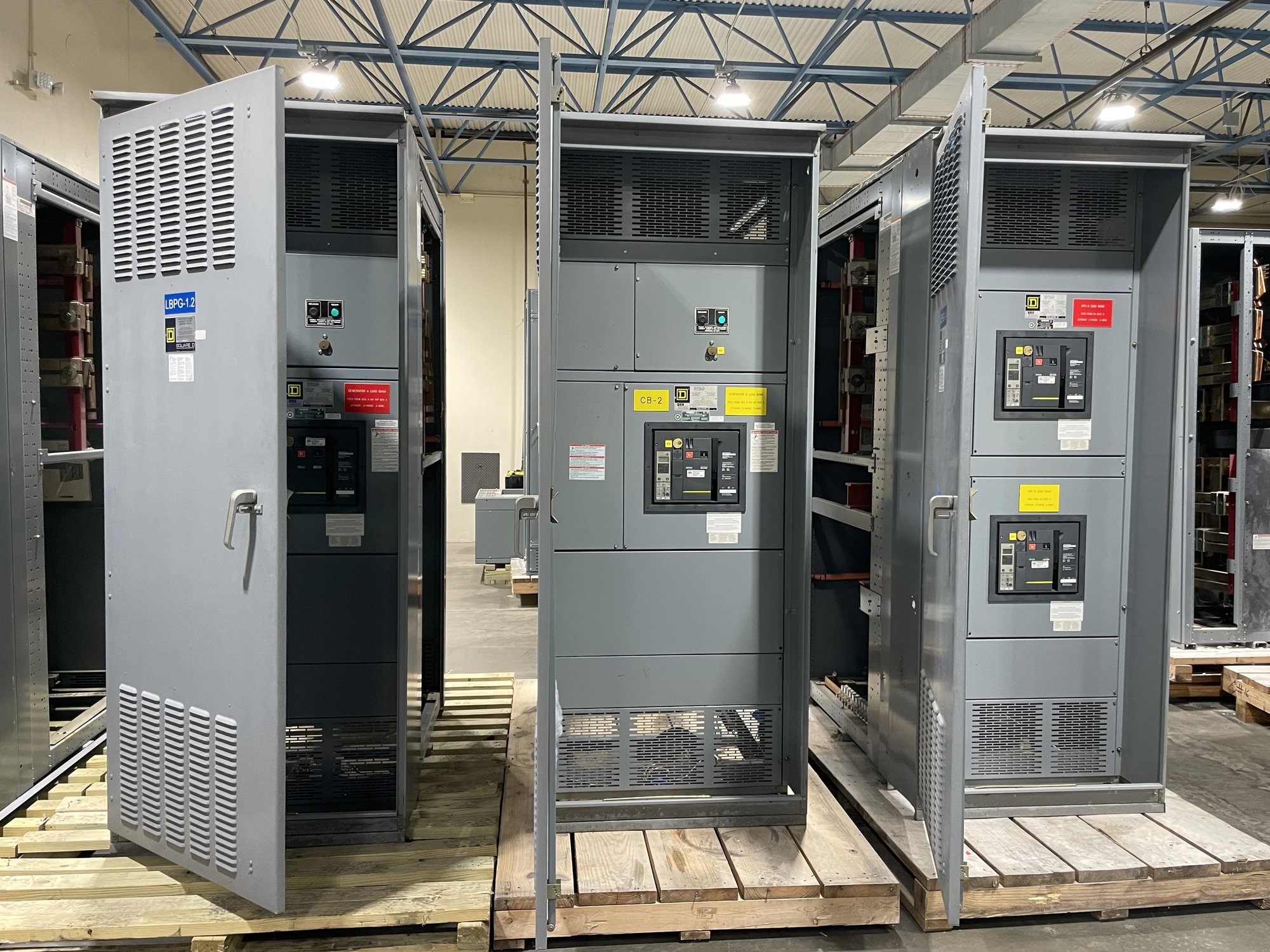
Design around event changeovers
A hall may host a trade show one week and a general session the next. Loads can shift between exhibit booths, lighting, audiovisual production, catering, concessions and building services, while move-in and move-out periods create concentrated demand. Start planning with event schedules and the electrical loads that must operate together, rather than relying on a single average demand figure.
Ask event operations which loads are fixed, which are routinely reconfigured and which arrive with outside production or exhibit crews. Document expected voltage and phase, connected load, demand assumptions, distribution locations and operating hours where known. This gives the electrical engineer a more useful basis for feeder and switchboard decisions, while leaving room to verify assumptions against the building’s actual service and applicable requirements.
Separate permanent and temporary distribution
Temporary power is part of the venue’s operating plan, not an afterthought. Identify where temporary systems may connect, who controls access, how cables reach event areas and whether connection points must serve several halls or outdoor spaces. A planned interface can reduce improvised routing and help coordinate temporary distribution with permanent panels, feeders and event layouts.
For each interface, define the intended use and the information needed to select equipment: source, voltage, phase, current, available fault current, overcurrent protection, connector or termination arrangement, enclosure conditions and any required metering or interlocks. These details depend on the project design. Qualified electrical professionals must establish the connection method and verify equipment suitability; the switchboard scope should not assume an unreviewed temporary hookup.
Plan resilience by function
Redundancy should follow the consequence of losing a load. A production control position, life-safety system, kitchen or ordinary exhibit receptacle may have different continuity needs and may be served through different building systems. Map critical functions, acceptable interruption, alternate sources and the transfer or isolation arrangements already planned. This helps avoid treating every event circuit as equally essential.
Review how normal, alternate and standby sources interact with the proposed distribution, including maintenance access and the ability to isolate equipment. Confirm which loads are backed up, how they are prioritized and whether simultaneous event conditions affect source capacity. The engineer of record and authorities having jurisdiction determine the final design and approvals. New switchboards can be configured to the specified arrangement, but no equipment selection alone establishes system redundancy or code compliance.
Coordinate the building-wide plan
A convention center’s distribution can span service equipment, distribution switchboards, branch panels and dedicated event systems. Before procurement, reconcile one-line diagrams with panel schedules, load studies, feeder routes, room layouts and the planned location of temporary interfaces. Check whether expansion, phased renovation or future exhibit changes could affect section space, spare capacity, access clearances or shutdown sequencing.
Confirm how the new assembly connects with existing equipment and what information the manufacturer needs to build to the approved design. Relevant inputs can include system voltage, phase and wire configuration, bus and protective-device requirements, available fault-current data, enclosure and entry details, metering, control interfaces, drawings and project specifications. UL 891 applies to switchboard assemblies; it is not a blanket listing for medium- or high-voltage switchgear. Keep equipment scope and standards explicit.
Make procurement and delivery workable
Purchasing teams should compare proposals against the same approved scope, including assembly configuration, included devices, drawing and submittal requirements, shipping destination and delivery constraints. Ask what information or approvals remain outstanding and how design changes are handled. New equipment is built to the confirmed order scope; availability, configuration and production schedule are established for each project rather than assumed from a general lead-time statement.
For Georgia delivery, coordinate the destination, receiving hours, unloading responsibility, route restrictions and whether the equipment must arrive in a particular construction phase. Nationwide shipping can support projects across the state, but site access and sequencing need advance coordination with the contractor and facility team. Agree on packaging, shipment division and delivery milestones as part of the procurement handoff.
Prepare a quote package that answers the right questions
A useful quote request includes the project location in Georgia, the approved single-line diagram and specifications, required standards, service conditions, event-use assumptions, temporary connection needs and any resilience criteria. Include existing equipment information where the new assembly must interface with it, plus required submittals, requested ship-to details and the project schedule. Flag unresolved engineering items so they can be identified rather than silently treated as settled.
Before release, align the engineer, contractor, facility operator and purchasing manager on the final configuration, interfaces, drawing approvals, delivery sequence and responsibility for installation and commissioning. Share the latest coordinated documents and identify the person authorized to approve changes. This practical handoff gives the manufacturer a defined basis for a custom-built switchboard and helps the venue plan its event distribution around equipment that matches the reviewed project scope.