Map loads by function and consequence
Start with a current load list that identifies each laboratory area, equipment type, voltage, phase, connected load and expected operating pattern. Distinguish analytical instruments and environmental chambers from fume hood systems, pumps, sterilizers, freezers, lighting and receptacles. Include starting or cycling characteristics where applicable, along with planned additions, so the engineer can assess feeder and distribution requirements rather than sizing around a single demand figure.
Next, identify which loads can tolerate interruption and which require a defined continuity strategy. A freezer supporting valuable samples, a test in progress and ordinary office loads may not warrant the same treatment. Document shutdown procedures, restart implications and any owner-defined priority groups. Those operating decisions guide the distribution architecture; they do not, by themselves, establish a backup source or guarantee uninterrupted power.
Address sensitive and mixed-use equipment
Instrument manufacturers may specify voltage tolerance, grounding arrangements, dedicated circuits or limits on electrical noise. Gather those requirements before switchgear design, and have the project electrical engineer reconcile them with the facility distribution system. A panel or feeder labeled “clean power” is not a substitute for a defined power-quality requirement. Where a separate source, isolation, conditioning or monitoring is being considered, establish its role and interfaces with the engineer.
Laboratories also combine steady loads with motors, compressors, heaters and other equipment that can cycle or create significant starting demand. Confirm motor data, simultaneous operation assumptions, load changes and any special control or transfer requirements. Share available one-line diagrams and upstream equipment information so coordination, fault-current evaluation and feeder interfaces can be reviewed by the responsible design team. Final ratings and protective-device selections depend on verified project conditions and engineering review.
Set continuity and outage boundaries
Define what happens during planned maintenance, an upstream outage or a source transfer. If the project includes an emergency generator, UPS or other alternate source, identify which loads it serves, the expected sequence of operation and the required switchgear connection points. Confirm whether equipment must support a particular transfer arrangement, interlocking scheme or control interface. These details should be settled with the electrical engineer and relevant equipment suppliers before procurement documents are finalized.
Continuity requirements can affect space, feeder routing, controls and the division between normal and alternate-source loads. Ask whether testing can be scheduled around laboratory operations, what loads must remain available during a shutdown, and how temporary power will be handled if needed. Do not assume that a switchboard assembly provides backup power or maintains a process; its role is to distribute power according to the engineered system and specified configuration.
Plan maintenance access around the lab
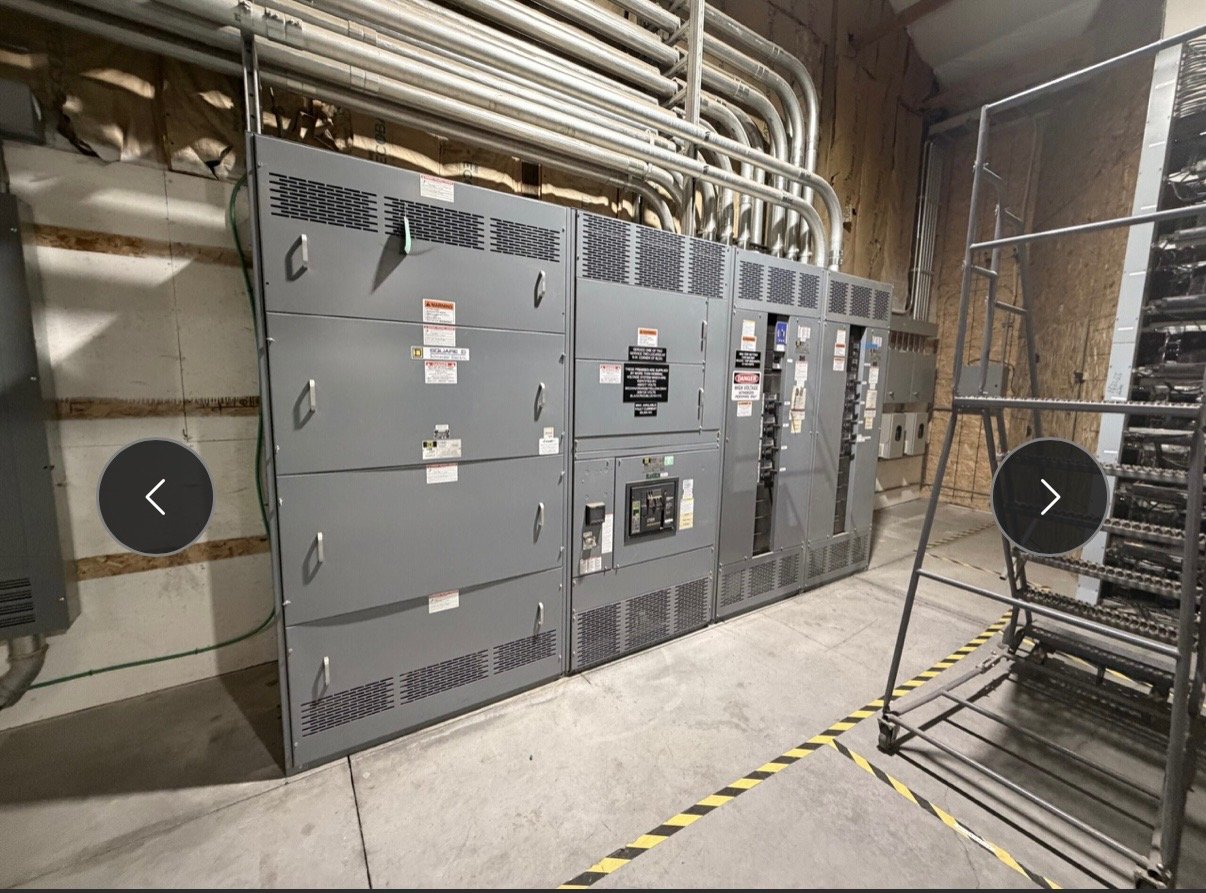
Equipment location matters in a laboratory, where corridors, clean areas, restricted rooms and active processes can limit access. Coordinate switchgear room dimensions, working clearances, door openings, equipment sections and cable entry with the building layout and applicable project requirements. Confirm how assemblies will travel from the receiving point to the electrical room, including turns, thresholds, elevators and construction sequencing. Facility and design teams should review access and installation plans before the room is built out.
Plan safe isolation and maintenance procedures with qualified electrical professionals. Identify normal operating boundaries, upstream and downstream disconnects, labeling expectations, access control and any required shutdown coordination. Keep switchgear out of areas where laboratory processes, chemical storage or routine traffic could obstruct authorized work. The engineer and authority having jurisdiction must review the installation design and applicable requirements; equipment selection alone does not establish safe access or code acceptance.
Specify the assembly and delivery scope
For a quote, provide the one-line diagram, project specifications, service and feeder information, load schedule, available fault-current data, source and transfer details, room and access drawings, and requested equipment schedule. Include required bus and enclosure characteristics, metering or monitoring needs, control interfaces and any specified UL 891 switchboard assembly requirements. UL 891 applies to switchboards; it is not a blanket listing for medium- or high-voltage switchgear. We confirm the offered scope against the project documents rather than assume a rating or certification.
Also share the project location in Georgia, site receiving constraints, target dates, construction milestones and the party responsible for unloading and setting equipment. We manufacture new equipment in the United States, use American-made components as specified and ship nationwide; exact component availability, configuration and timeline are confirmed for each order. Before release, align approved submittals, connection details, equipment identification, shipment sequence and site readiness among the engineer, contractor and facility team.
Move from requirements to a coordinated order
A practical handoff begins with one coordinated package: the latest one-line, equipment schedules, instrument and process requirements, source strategy, room drawings and procurement milestones. Mark unresolved items clearly, including future loads, alternate-source boundaries and maintenance constraints. This lets the project team distinguish confirmed requirements from assumptions and resolve decisions before fabrication details are approved.
For your Georgia laboratory project, assemble those documents and note which processes cannot be interrupted, what each sensitive instrument requires, and how technicians will access equipment for planned work. Request a review and quote for the defined new switchgear or UL 891 switchboard scope, then coordinate final ratings, approvals, availability and delivery timing with the responsible project team before placing the order.