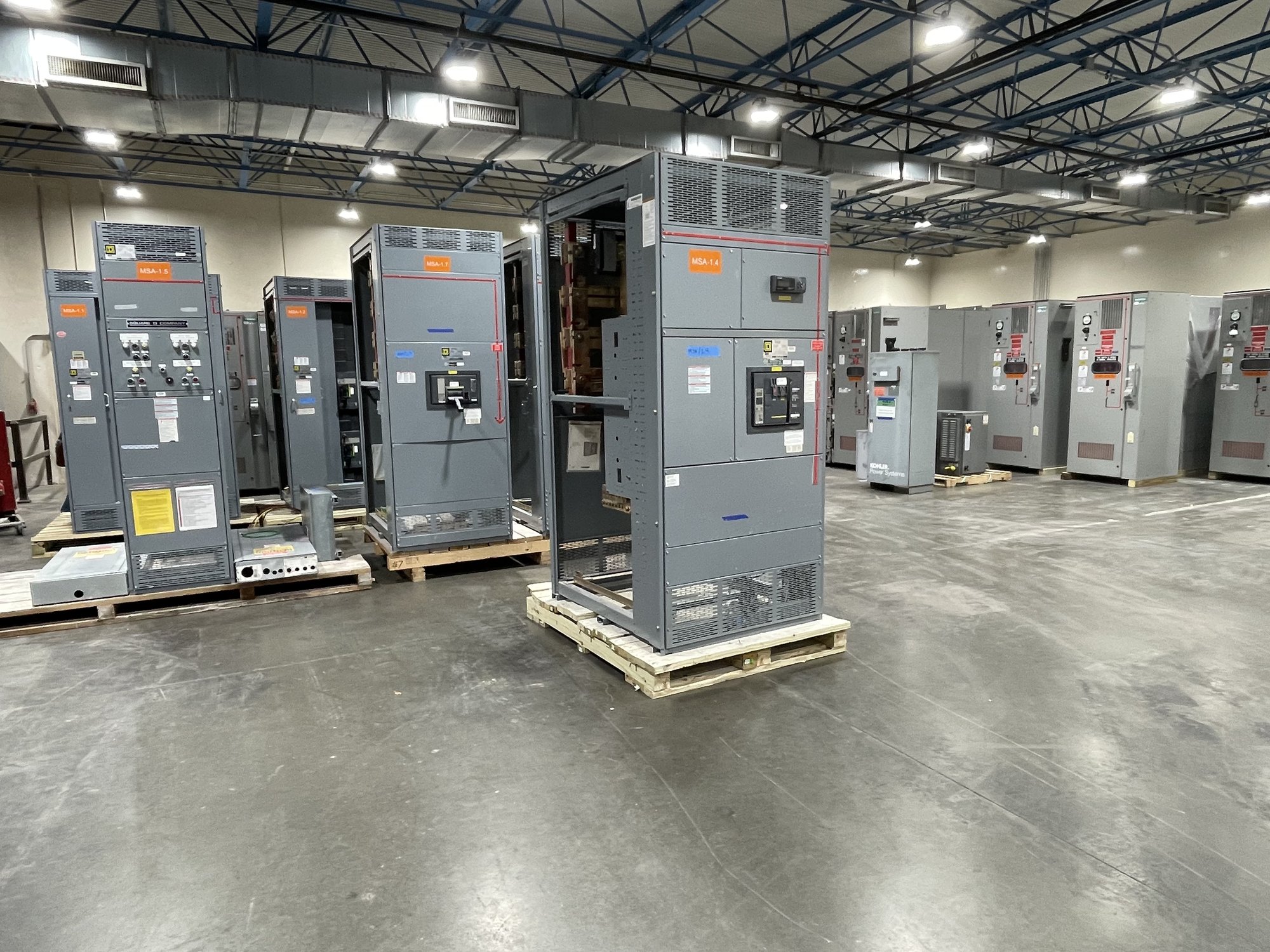
Start with the project scope
For a useful first discussion, identify whether the request concerns a UL 891 switchboard assembly or another type of switchgear. Include the application, project stage, and whether the equipment is for a new installation, replacement, or planned expansion. If the scope is still developing, describe what is known and which decisions remain open.
A preliminary inquiry does not need to settle every engineering detail. Sharing the facility type, intended function, and anticipated purchasing schedule helps distinguish an early budget discussion from a request tied to an active design or bid. The team can then identify missing information instead of treating assumptions as confirmed requirements.
Questions that shape a quote
For a quote request, provide the one-line diagram or available drawings, equipment schedule, and applicable specifications when they are ready. Note the required system voltage, phase, frequency, bus information, incoming and outgoing arrangements, and any stated fault-current or withstand requirements. These details describe the project basis; final equipment selection depends on engineering review and the governing project documents.
Also identify enclosure conditions, cable entry and exit preferences, metering or protective-device requirements, control needs, and any physical limitations such as room dimensions or access paths. Flag specified manufacturers or components only as project requirements for review. If a requirement is uncertain or conflicts with another document, point it out rather than resolving it by assumption.
Coordinate engineering and procurement
Engineering and procurement teams often need different information at different points. Engineers can identify which drawings and technical criteria are controlling, while purchasing managers can share bid deadlines, approval steps, requested submittal timing, and commercial documentation needs. A clear distinction between mandatory specifications and preferences makes review more efficient.
If the project includes custom-built configurations or American-made component preferences, state those priorities in the inquiry. The team can review them against the defined scope and confirm what can be offered for that order. Neither component origin nor a configuration detail should be assumed from a general description; exact scope, availability, and timeline are confirmed during order review.
Plan delivery to the Georgia site
Delivery coordination starts with the destination and the conditions for receiving equipment. Share the Georgia site address or project location, requested delivery window, receiving hours, site access limits, unloading arrangements, and any appointment or documentation requirements. If the equipment must arrive in stages or align with a construction milestone, explain the sequence and dependencies.
Georgia projects can have different access and coordination needs, from constrained electrical rooms to active construction sites. Identify who will receive the shipment and whether a general contractor, electrical contractor, or facility representative manages delivery instructions. Shipping options and timing depend on the specific order and destination; confirm those details before relying on a delivery date in the project schedule.
Make the handoff clear
Name the project and the people responsible for technical decisions, purchasing approval, and delivery coordination. Include the preferred method for handling drawing questions and identify which documents are current. When several teams are involved, clarify who consolidates comments so revisions do not arrive as conflicting instructions.
For an active order, reference the order or quotation identifier and describe the issue plainly: a drawing clarification, specification change, delivery update, or receiving requirement. Note what decision is needed and by when, while recognizing that review and confirmation depend on the request. A concise, organized handoff helps keep technical and logistics questions attached to the right project.
Prepare your next inquiry
Before sending a question, gather the project location, equipment scope, available drawings, governing specifications, desired procurement milestone, and delivery constraints. Mark information that is preliminary and identify any open decisions. For a general inquiry, explain what you need to learn, such as whether a particular configuration can be reviewed or what documents are needed to begin a quote.
Use the inquiry pathway for the question that best fits your project: specification review, new-equipment quotation, delivery coordination, or general assistance. Provide enough context for the team to route the request and follow up on the relevant details. For a Georgia project, include the destination and site receiving conditions early so technical review and delivery planning can proceed with fewer avoidable gaps.