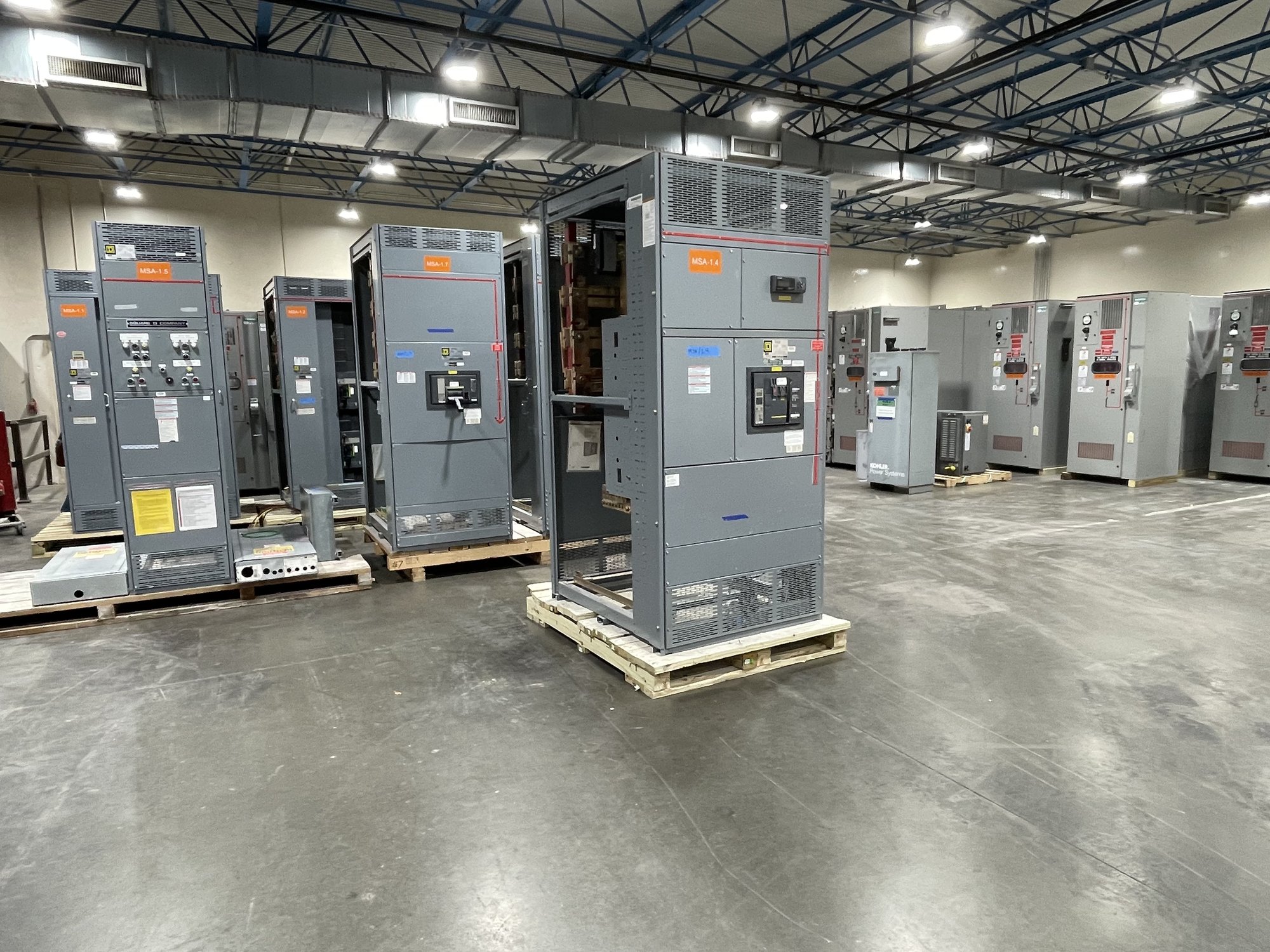
Define what overlaps—and for how long
In a closed-transition scheme, the load transfers between sources with a brief period when both sources are connected in parallel. The overlap can reduce the interruption associated with an open transition, but it also creates an electrical interconnection. The scheme is not simply two breakers that close together; source conditions, control logic, protection, and permission to parallel must be considered as one design.
Specify the intended sources and operating sequence before selecting equipment. Identify normal and alternate sources, whether either source is a generator, the loads transferred, and what starts or authorizes the sequence. Ask the engineer to define acceptable synchronism conditions, the planned overlap duration, and what the controls should do if those conditions are not met. These values depend on the application and are not assumptions to make from a general product description.
Treat utility permission as a design input
A closed interval may parallel a facility source with the serving utility, so the utility’s requirements can determine whether the scheme is permitted and what studies, protective functions, operating limits, or agreements apply. Engage the Georgia serving utility early, before finalizing the one-line diagram or issuing a purchase order. Requirements can differ by utility and project; do not treat approval for one site as approval for another.
The project team should establish who submits the interconnection information, which party reviews protection and control details, and what written approvals are required before construction, testing, or operation. Where a generator is involved, clarify whether the intended operation is limited to momentary transfer or includes any other parallel operation. Keep utility review and authority having jurisdiction review distinct: each has its own scope, and equipment selection does not replace either review.
Coordinate protection, controls, and breaker interfaces
The engineer should define how the system detects acceptable source conditions and how it prevents or ends an unintended parallel. Relevant design questions include voltage and frequency sensing, phase relationship, breaker status feedback, transfer permissives, trip paths, and response to loss of a source or control power. Protection settings and required functions must come from the project study and applicable utility criteria, not from a generic assumed scheme.
Confirm the physical and electrical interfaces across the complete assembly: breaker types and ratings, bus arrangement, control power, metering, terminal locations, communications, and connection points for external signals. Also establish whether the transfer equipment is part of a new switchboard or must coordinate with existing gear. UL 891 applies to switchboard assemblies; it does not establish a blanket listing for medium- or high-voltage switchgear, nor does it settle the project’s protection or interconnection requirements.
Make procurement documents answerable
A useful request for quote includes the approved or developing one-line diagram, system voltage and frequency, source characteristics, available fault-current information when established, load details, and the proposed transfer sequence. Identify required breaker functions, control interfaces, metering, enclosure and installation conditions, and any specified standards or documentation. Mark assumptions and open items so the manufacturer can distinguish a defined requirement from a decision still awaiting engineering or utility review.
For a custom-built configuration, ask which components and assembly details are included, what information is needed to confirm the design, and which items depend on engineering approval. American-made components and short lead times may be relevant to procurement planning, but neither availability nor a delivery date should be presumed. Confirm the proposed scope, component availability, and schedule for the particular order before using them in the project plan.
Plan testing and the Georgia handoff
Before release for manufacture, align the approved one-line, control narrative, connection drawings, and utility comments so that the ordered configuration reflects the reviewed scheme. Define who provides field wiring, source-sensing inputs, settings, and site-specific commissioning procedures. Testing should verify the intended transfer sequence, interlocks, alarms, and failure responses under an approved plan; installation, testing, and energization belong to qualified personnel working under the responsible project authorities.
For delivery to a Georgia project, share the destination, site access constraints, required receiving date, unloading arrangements, and the sequence for construction and commissioning. Nationwide shipping can support project delivery, but routing, timing, and handling details must be confirmed for the order. Before requesting a quote, send the one-line diagram, source and load data, transfer narrative, utility status, required interfaces, and target schedule; identify unresolved approvals explicitly so scope and handoff can be coordinated without treating them as settled.