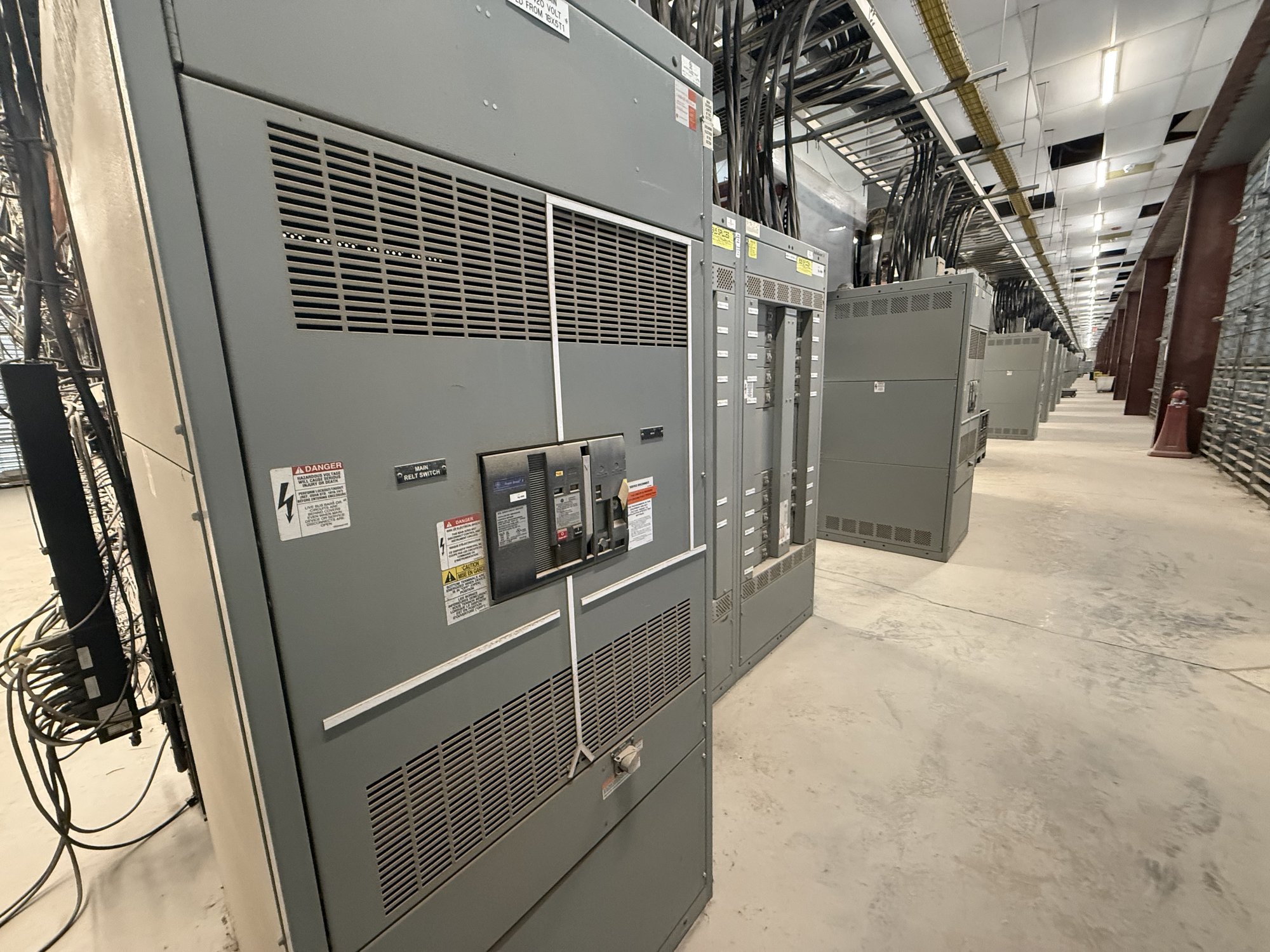
Build intervals from the actual breaker
There is no universal maintenance interval that fits every low-voltage power breaker, molded-case breaker, or medium-voltage breaker. Start with the model and frame, manufacturer’s maintenance manual, service bulletins, operating mechanism, accessories, and the equipment’s application. Record when the breaker entered service, when it was last inspected or tested, and whether its history includes modifications or recurring issues.
Set a baseline interval from manufacturer guidance and applicable maintenance practices, then have qualified electrical personnel adjust it for actual conditions and site procedures. Frequent operations, fault interruptions, high loading, vibration, dust, humidity, corrosive contamination, or elevated ambient temperature may call for closer attention. Any interval change should have a documented technical basis and approval through the facility’s maintenance process.
Match inspection to operating conditions
A planned inspection can begin with the breaker’s records and an external review of its enclosure, labels, indication, position, and accessible operating mechanism. Look for signs such as unusual noise, odor, heat discoloration, contamination, corrosion, damaged insulation, loose or obstructed linkages, or evidence of moisture. Infrared surveys, where included in the site program, can identify temperature differences under suitable operating conditions; they do not replace internal inspection or electrical testing.
Internal access and inspection require isolation, verification of an electrically safe work condition, and procedures appropriate to the equipment. Qualified personnel should follow the site’s safety program and the manufacturer’s instructions for racking, barriers, stored energy, and access. Inspection scope differs by breaker construction: a sealed device may not be intended for field disassembly, while a drawout power breaker may have serviceable contacts and mechanisms.
Lubricate only where specified
Lubrication is model-specific, not a routine instruction to apply grease wherever parts move. The manufacturer may identify particular pivots, bearings, or sliding surfaces, along with an approved lubricant, quantity, and cleaning method. Excess lubricant can attract dust, migrate onto insulating surfaces, interfere with a mechanism, or cause problems at low or high temperatures. Some components are designed to operate without field lubrication.
Before maintenance, confirm the exact product and revision of the service instructions and check for restrictions on cleaning agents or substitute materials. Do not mix lubricants or use a general-purpose product based on appearance alone. Record what was cleaned and lubricated, the materials used, and any parts replaced. If the manual is unavailable or the mechanism’s condition is uncertain, have the manufacturer or a qualified service provider clarify the permitted work before proceeding.
Choose tests that answer a purpose
Testing should address the breaker’s function and risk, not simply produce a larger set of readings. Depending on breaker type and the maintenance plan, qualified personnel may perform mechanical operation checks, insulation-resistance testing, contact-resistance measurement, or trip-unit and overcurrent-function testing. Test methods, acceptance criteria, test equipment, and environmental conditions should follow the manufacturer’s instructions and the facility’s approved procedures.
Electronic trip units may require settings verification, functional tests, or secondary injection; primary injection may be appropriate when the test objective requires exercising more of the current path. A test is not automatically beneficial if it is performed with unsuitable equipment, without a baseline, or under conditions that could stress insulation. Coordinate outages and protective-device settings with the facility’s engineering team, and document test results, deviations, and corrective actions.
Specify replacement equipment precisely
When maintenance findings point to a replacement breaker or a new switchboard assembly, provide the existing equipment nameplate data, manufacturer and catalog information, breaker type, frame and trip details, interrupting and voltage requirements, control voltage, accessories, and connection or mounting arrangement. Include available drawings, photographs, dimensions, and the reason for replacement. These details help identify compatibility questions without assuming that a breaker with similar dimensions is an acceptable substitute.
For a new UL 891 switchboard assembly, confirm that the requested assembly scope and configuration are appropriate for that standard; UL 891 applies to switchboards and does not establish a blanket listing for medium- or high-voltage switchgear. Share the one-line diagram, system data, protective-device requirements, enclosure and access needs, and any specified components or interfaces. Final selection and application require engineering review and acceptance by the authority having jurisdiction where applicable.
Coordinate records, procurement, and delivery
For a maintenance or replacement quotation, send breaker identification, equipment type, service conditions, requested scope, test or inspection findings, drawings, required accessories, destination, and the date the equipment is needed on site. State whether the project calls for a replacement breaker, a new switchboard, or another defined assembly; these are different scopes. Manufacturer-specific requirements, configuration, component availability, and schedule are confirmed for each order.
For Georgia projects, plan delivery around the facility’s outage window, receiving access, unloading arrangements, and installation sequence. Nationwide shipping can support projects across the state, but the project team should verify the confirmed shipping plan and site readiness before setting outage commitments. Close the handoff with approved submittals, equipment identification, operating and maintenance documentation, test records where included, and clear responsibility for installation and commissioning by qualified personnel.