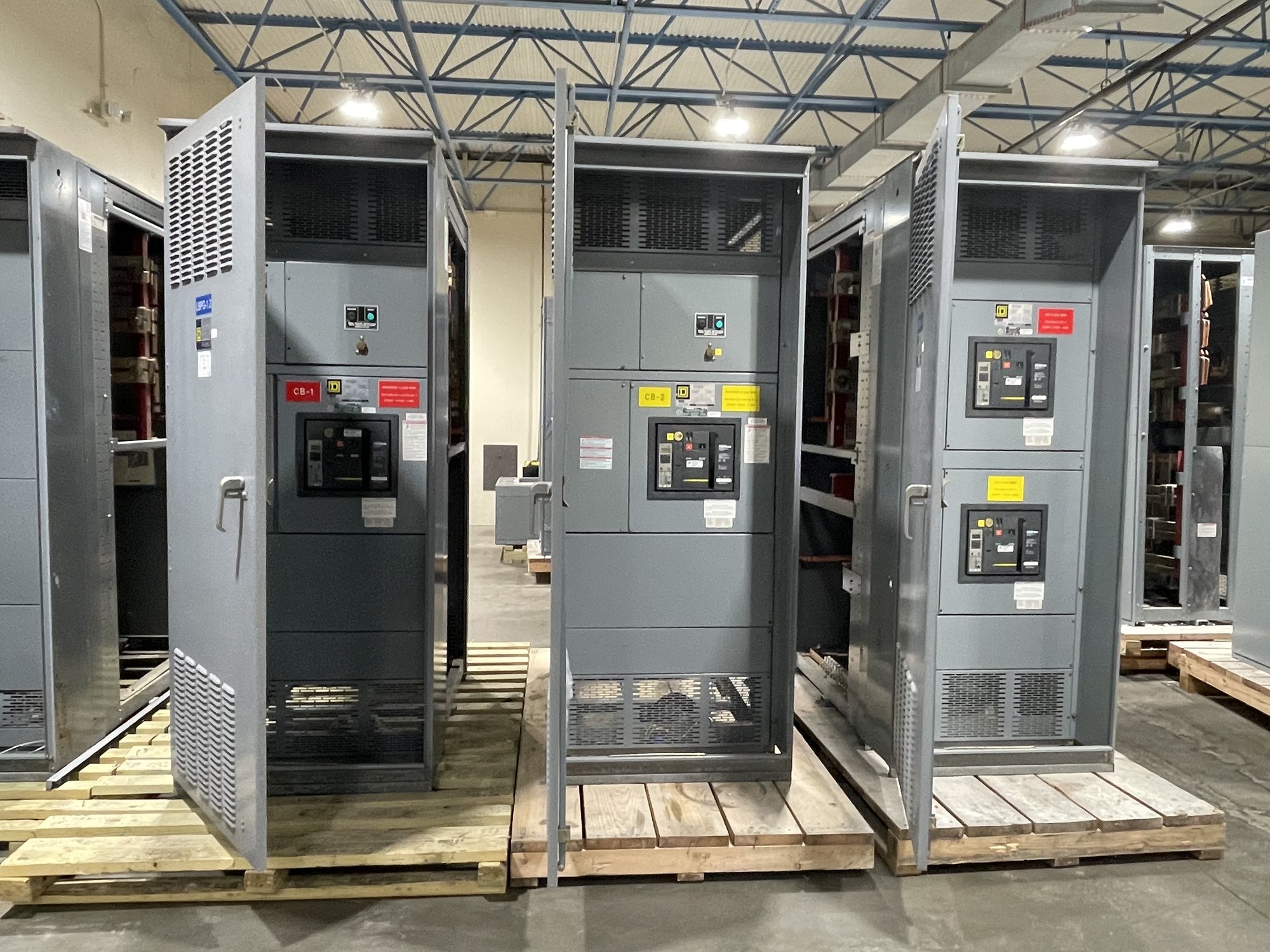
Start with the exposure and operating task
Arc-flash mitigation begins with the electrical system and the work people need to perform, not with a device name. A qualified engineering review can identify relevant equipment, operating states, protective-device settings and tasks such as switching, testing or maintenance. The assessment should consider available fault current, clearing times, equipment condition, grounding and the protective boundaries established for the work.
Ask whether the concern is routine operation, fault clearing, maintenance access or a combination. A measure that reduces the time a protective device takes to interrupt a fault may affect incident energy under the modeled conditions, while remote operation can change where an operator stands during a task. Neither establishes a universal risk reduction or eliminates the need for safe work practices and appropriate procedures.
Evaluate clearing-time reduction
Faster clearing can be achieved through protective-device settings or system features designed to shorten fault interruption time. Depending on the existing design, engineers may assess maintenance-mode settings, zone-selective interlocking, differential protection or other coordination approaches. Each option has different implications for selectivity, backup protection, nuisance-trip exposure and coordination with upstream and downstream devices.
Request a study-based comparison of normal and mitigation modes, including the operating conditions and assumptions used. Confirm which breakers, relays, sensors and control circuits are required, how the mode is enabled and indicated, and what verification or maintenance it requires. A setting change alone is not a complete specification: protection coordination, equipment interrupting capability and the owner’s operating procedures must remain part of the review.
Use remote operation for the right tasks
Remote switching can let an operator control a breaker or switch from a location away from the equipment, reducing the need to stand directly in front of it during that operation. Remote racking systems address a related task by moving a drawout breaker between positions from a distance. These approaches can support specific operating procedures, but they do not change the electrical energy available at the equipment or replace an arc-flash assessment.
Define the devices to be operated, the required control location, travel or cable routing, interlocks, indications and control-power needs. Clarify whether the scope covers opening and closing, racking, or both, and how operators will confirm equipment status. Existing switchgear construction and access constraints can limit retrofit options; a new assembly may allow these provisions to be incorporated during design.
Consider equipment-level design choices
Engineered equipment options may include compartmentalized construction, barriers, shutters, remote-control provisions or protective relaying integrated into a new switchboard assembly. These features serve different purposes and should be specified against the actual application rather than treated as a single arc-flash solution. Equipment layout, bus arrangement, breaker selection, available fault current and maintenance access all affect what can be built and evaluated.
For new switchboards, UL 891 is the applicable standard for the assembly where specified; it is not a blanket listing for medium- or high-voltage switchgear. Identify voltage class, system configuration, service and feeder requirements, protective devices and interface details for engineering review. Do not assume a feature or rating is suitable until the design is checked against project requirements and reviewed by the responsible engineer and authority having jurisdiction.
Compare options across the project lifecycle
Procurement teams should compare more than initial equipment scope. Ask what studies, drawings, controls, accessories and field interfaces are included, and what must be provided by others. Consider how each option affects commissioning, operator training, maintenance procedures and future changes to the electrical system. A mitigation mode, for example, needs clear status indication and a defined process for returning to normal settings.
For existing equipment, document manufacturer and model information, nameplate data, drawings, protective-device details, condition and available space. For a new project, provide one-line diagrams, load and feeder schedules, fault-current information, coordination criteria, control requirements and the intended operating tasks. Engineering must confirm feasibility, ratings and configuration; availability and production timing are confirmed for each order.
Prepare a Georgia project handoff
For a Georgia quote, share the project location and delivery point, required on-site date, equipment scope, applicable drawings and the decision deadline. Include known constraints such as access, equipment-room dimensions, outage windows, utility interfaces and whether the request concerns new switchgear or a replacement assembly. These details help align the proposed configuration and shipping plan with the project schedule; delivery timing is confirmed for the specific order.
A useful next step is to ask the project engineer to identify the tasks and operating states the mitigation plan must address, then provide that basis with the equipment requirements. The manufacturer can review the requested new assembly configuration and clarify scope, available options and order timing. Keep final protection settings, installation, commissioning and acceptance with qualified professionals and the responsible engineering and authority reviewers.