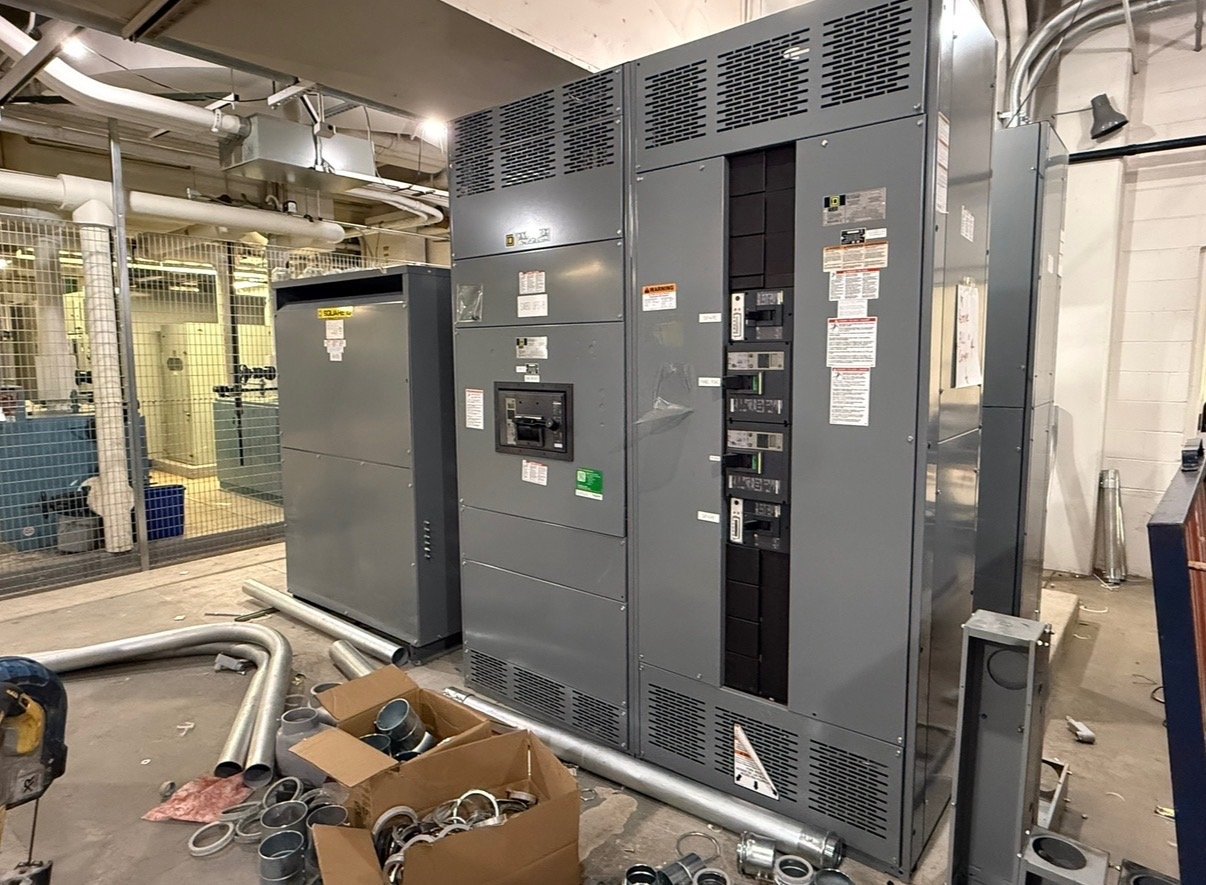
What remote racking changes
Racking moves a drawout breaker between connected, test, and disconnected positions. A remote racking device lets an operator command that movement from a location separated from the breaker, rather than turning a handle directly at the equipment. The added distance can reduce exposure during the operation, but it does not make the equipment de-energized or eliminate arc-flash, shock, mechanical, or unexpected-operation hazards.
Remote operation depends on a compatible drive interface and a breaker mechanism that can move as intended. The device does not replace the switchgear’s interlocks, operating instructions, electrical safety program, or required protective measures. Qualified personnel must assess the task and follow applicable site procedures, including establishing the work area and confirming equipment status before operation.
Confirm the equipment interface
Compatibility is specific to the breaker and its installation, not simply its voltage class or cabinet appearance. Identify the switchgear manufacturer and model, breaker manufacturer and model, frame or catalog designation, and the racking mechanism style. Record whether the equipment is drawout, the operating interface’s location and shape, and any adapters or obstructions that could affect access. Nameplate photographs and equipment drawings can help resolve uncertainty.
Also clarify the breaker’s present condition and the intended operation. Ask whether the mechanism is manual or already configured for remote operation, whether the breaker is in service, and whether its interlocks and position indicators function as expected. A remote device must not be forced onto an uncertain interface or used to overcome binding, damage, or an abnormal indication. Inspection and compatibility review should precede selection.
Specify the operating arrangement
A procurement specification should identify the exact breakers to be operated and where the operator is expected to stand. Describe the required separation distance, the route for any control cable, the available power source, and whether the device must serve one breaker or several compatible units. Note door configuration, barriers, adjacent equipment, floor conditions, and any restricted access that could affect setup or operation.
Clarify what the scope includes: the remote racking unit, model-specific drive components, controls, cables, storage provisions, operating documentation, and any requested familiarization. Do not assume one device fits every lineup or that a generic adapter preserves proper engagement. The supplier and project engineer should confirm the configuration against equipment records and the intended operating procedure before purchase.
Plan procedures and site controls
Remote racking is one control within a broader operating plan. The site’s qualified electrical personnel should determine prerequisites such as equipment inspection, circuit conditions, personnel boundaries, communication, and the response if movement stops or an indication is unclear. Follow the equipment manufacturer’s instructions and the facility’s electrical safety program. Remote controls do not authorize operation of damaged equipment or substitute for required risk assessment and protective practices.
Training and procedure ownership matter after delivery. Assign responsibility for checking the device, selecting the correct drive attachment, connecting controls, verifying the commanded breaker, and recording the final position. Establish how the operator will stop the operation and who may investigate a fault. Keep instructions available to the personnel who will use the equipment, and revise site procedures when the equipment or lineup changes.
Coordinate procurement and delivery
For a quote, provide the breaker and switchgear identifiers, clear interface and nameplate photos, the number of devices required, and the operating locations. Include the desired separation distance, cable-routing constraints, power requirements, number of breaker types, and any requested accessories or documentation. If the equipment records conflict with field conditions, flag that discrepancy; assumptions about interchangeability can lead to a device that cannot engage correctly.
For Georgia projects, share the delivery address, receiving hours, unloading or access limitations, required arrival window, and the date needed for commissioning or procedure development. Nationwide shipping can support Georgia project delivery, but availability, configuration, and timing are confirmed for each order. Coordinate shipment with the project schedule so qualified staff can review the equipment, verify the supplied components, and complete compatibility checks before planned use.
Close the handoff before use
At receipt, compare the delivered device and attachments with the approved configuration and the identified breaker models. Review the manufacturer’s instructions, inspect components, and resolve any mismatch before operation. The project handoff should identify the equipment covered, operating limitations, storage and inspection responsibilities, procedure owner, and the process for reporting a malfunction or change in lineup.
Before requesting a remote racking configuration, gather equipment nameplates, interface photographs, breaker counts, site layout constraints, power details, and Georgia delivery requirements. Have the responsible engineer and qualified site personnel validate compatibility and operating procedures. Clear these items before purchase and scheduling so the selected equipment supports the intended separation without being treated as a substitute for safe work practices.