What unintended islanding means
An island forms when a portion of an electric system remains energized by local generation after its normal connection to the utility has opened. The separated section may include facility loads, photovoltaic inverters, generators, energy storage, or combinations of these sources. If generation and load happen to remain in balance, voltage and frequency can persist instead of collapsing promptly.
That condition creates hazards beyond the facility boundary. Utility personnel may expect an isolated circuit to be de-energized, while equipment in the island can experience abnormal voltage or frequency, unstable operation, or an out-of-phase reconnection. Anti-islanding protection is intended to detect the loss of the utility source and stop or separate generation as required by the approved interconnection design.
Protection is a system decision
The method depends on the generation technology and interconnection arrangement. Inverter-based resources may use certified inverter functions and settings, while rotating generators can require protective relays, breaker tripping, transfer trip, or other utility-approved measures. A facility controller, energy management system, or microgrid controller may also affect how sources operate, but its presence does not by itself establish acceptable anti-islanding performance.
Engineers should map the normal and abnormal power paths, including utility and generator breakers, transformer connections, tie breakers, storage controls, and any alternate source. Protection must address the actual operating modes, not only the one-line diagram’s normal state. Determine which device detects loss of source, which breaker or control action responds, and how the system behaves during maintenance, communications failure, or a failed trip.
Resolve utility requirements early
Interconnection approval is specific to the serving utility and project. In Georgia, confirm the applicable utility process, technical requirements, required studies, relay or inverter documentation, witness testing, and approval sequence directly with the utility and project engineer. Requirements can differ by resource type, aggregate capacity, export arrangement, and whether the facility intends to operate as an intentional microgrid.
Ask whether the utility requires a particular anti-islanding method, settings review, direct transfer trip, dedicated communications, or proof of inverter certification. Also clarify who supplies, owns, configures, and tests each component. Do not assume that an equipment standard, a manufacturer’s default setting, or a previous project’s approval automatically satisfies the present interconnection conditions.
Specify the interface, not assumptions
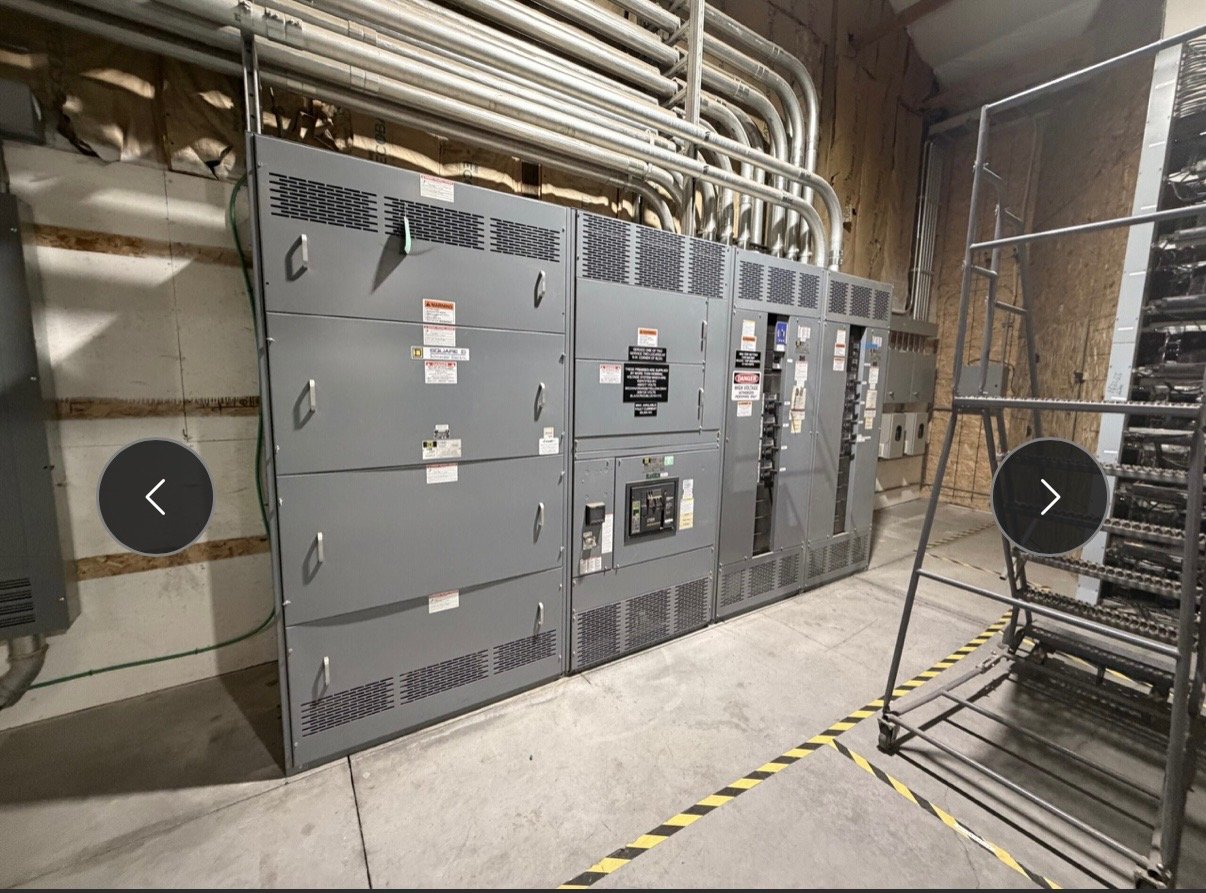
For a switchboard or other distribution assembly, define the connection points and protective-device interfaces that the assembly must accommodate. Provide the approved one-line diagram, source and load information, breaker functions, control power requirements, relay and metering needs, communications interfaces, and any required trip circuits. UL 891 applies to switchboard assemblies; it is not a blanket listing for medium- or high-voltage switchgear or proof of interconnection approval.
Keep protection settings and coordination under the responsible engineer’s control. The equipment scope should identify which relays, breakers, wiring, terminal blocks, and control features are included, while clearly identifying devices or utility facilities furnished by others. Confirm that proposed interrupting ratings, bus ratings, enclosure details, and available fault-current assumptions are established by engineering review rather than inferred from the anti-islanding function.
Plan testing and commissioning
A successful design must be verifiable in the field. The commissioning plan should state how loss of utility source will be simulated, what trip or shutdown response is expected, how auxiliary sources and controls will be checked, and what records the utility requires. Testing methods must be coordinated with the utility and performed by qualified personnel using approved procedures; do not create an energized island as an informal test.
Project handoff should include final drawings, device and control documentation, approved settings, test results, and a clear record of revisions. Confirm who is responsible for setting changes after commissioning and how those changes are reviewed. If storage or microgrid controls can alter operating modes, document the permitted modes and the interlocks or control logic that prevent unauthorized parallel or islanded operation.
Prepare a complete equipment request
For a quote, share the project location in Georgia, serving utility, project stage, resource types and nameplate data, intended export or non-export operation, and the latest one-line diagram. Include utility comments or interconnection requirements, requested delivery window, installation environment, system voltage, fault-current information, and the desired switchboard or switchgear scope. Identify whether the project includes storage, a standby generator, a microgrid, or a transfer-trip scheme.
Also list required breakers, protective relays, control interfaces, metering, communications, and documentation, separating confirmed requirements from items awaiting utility review. We build new equipment in the United States with American-made components, custom configurations, and nationwide shipping; exact scope, component availability, and schedule are confirmed for each order. Georgia delivery can be coordinated with the project’s receiving and installation sequence, but it does not replace utility approval or site commissioning.