Define what 1200 amps applies to
First establish whether 1200 amps is the service rating, the rating of a main device, a bus rating, or the capacity needed for a particular feeder arrangement. Those terms describe different parts of a system. The one-line diagram should show the source, main disconnecting means, distribution sections, feeder devices and any ties or alternate sources so the proposed assembly can be scoped correctly.
Provide system voltage, phase and wire configuration, available fault-current information, grounding approach, utility or upstream equipment requirements, and the intended main-device arrangement. Identify whether the project calls for a switchboard assembly or another equipment type. UL 891 applies to switchboard assemblies; it is not a general listing for medium- or high-voltage switchgear. Engineering review and applicable authority review determine suitability for the installation.
Make heat and loading part of the layout
At 1200 amps, heat is a practical design input, not an afterthought. Continuous loading, load diversity, ambient conditions, enclosure arrangement and the concentration of feeder devices can affect thermal performance. Share load estimates and operating patterns, including major motors, heating or cooling equipment, process loads and likely coincident demand. The design team can then evaluate the proposed configuration against the applicable equipment ratings and project conditions.
Ask how the selected main and feeder devices, bus arrangement and section layout correspond to the expected load. Avoid treating spare capacity as a simple percentage: future demand may require different feeder sizes, device spaces or distribution sections. Final ratings, conductor terminations and configuration depend on engineering review and the exact components selected; do not infer them from the 1200-amp label alone.
Check room dimensions and access early
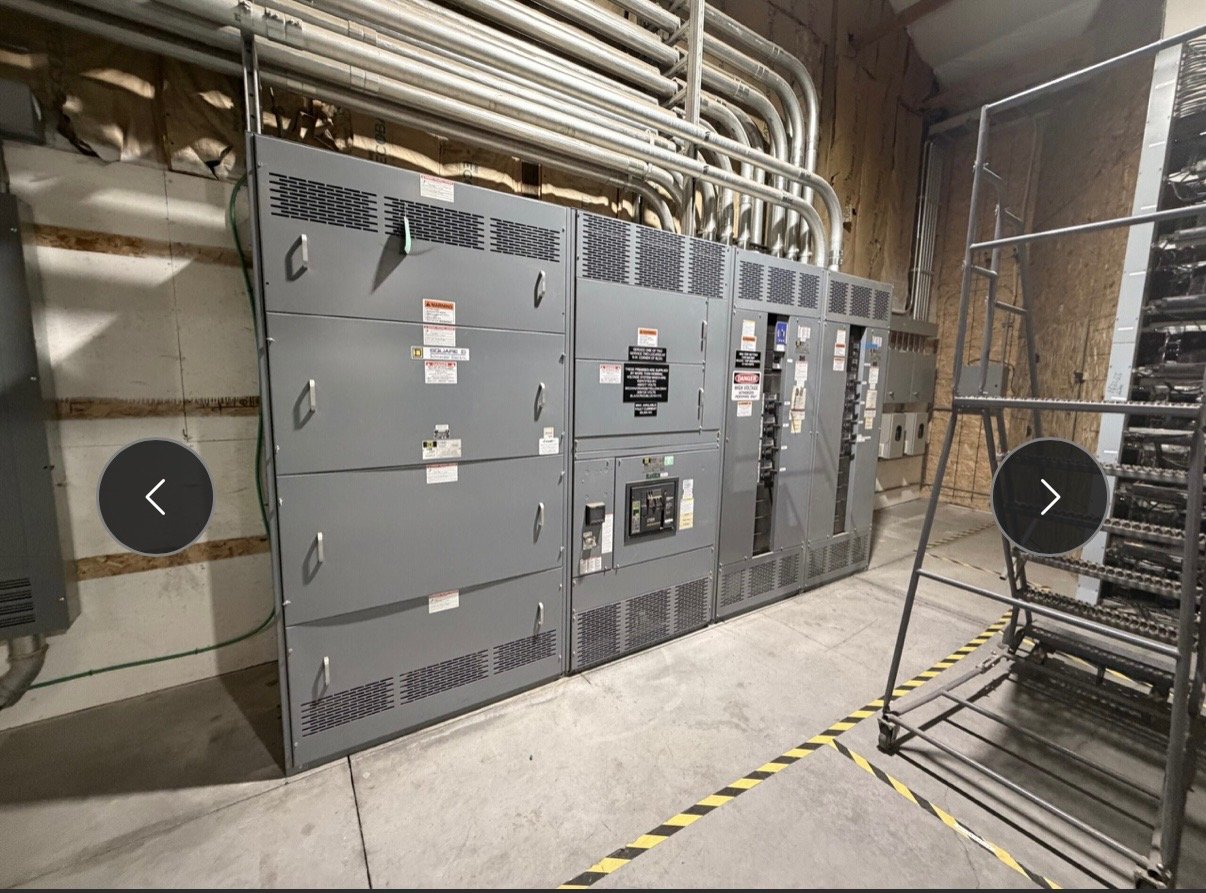
A 1200-amp assembly can require meaningful floor space, working clearances and a route for delivery and installation. Provide available room width, depth and height, door and corridor dimensions, turning constraints, floor or housekeeping-pad details, and the planned equipment orientation. Flag columns, overhead obstructions, nearby heat sources and any limits on access for installation or future maintenance by qualified personnel.
Coordinate front, rear and side access needs with the project layout and applicable requirements rather than assuming a compact footprint will fit. The number and type of feeder sections, cable entry direction, termination space and future extensions all influence arrangement. Ask for the proposed outline dimensions and connection details during submittal review, then compare them with the actual room and delivery path before construction is finalized.
Balance feeder needs with future load
Prepare a feeder schedule that identifies each circuit’s intended load, protective-device requirements, conductor approach and destination. Distinguish confirmed loads from planned additions, and note which circuits are essential, motor-driven or expected to operate together. This gives the manufacturer and project engineer a basis for selecting a practical section arrangement rather than leaving critical distribution decisions until equipment release.
For expansion, decide whether future capacity means unused device spaces, provisions for additional sections, or simply bus capacity within the approved design. These are not interchangeable. Spare ways do not guarantee room for larger devices or later additions, and extending equipment may be constrained by available floor space and system coordination. Document the anticipated growth and ask which provisions can be included in the initial build.
Prepare a complete quote and handoff
For a useful quote, share the one-line diagram, load and feeder schedules, system data, fault-current information, preferred main arrangement, enclosure and access conditions, cable entry details, and project schedule. Include the installation location in Georgia, receiving constraints, site contact requirements through the project team, and the requested shipping destination. State which documents are needed for engineering and procurement review, such as drawings, device data or submittal information.
New switchgear is built to the confirmed scope, and exact component availability, configuration and timeline are established for each order. American-made components, custom-built arrangements and nationwide shipping can support Georgia projects, but they do not establish that every component is available or that a particular delivery date is assured. Coordinate shipment timing with site readiness, unloading capability and the contractor’s installation sequence.
Close the specification gaps before release
Before approving the package, reconcile the one-line diagram, feeder schedule, room plan and equipment submittal. Confirm that the 1200-amp designation refers to the intended part of the assembly, that heat and load assumptions are explicit, and that access and future provisions match the project plan. Resolve discrepancies with the responsible engineer and authority having jurisdiction; equipment ratings and installation requirements must be reviewed for the actual application.
For your quote request, send the current drawings, operating-load expectations, feeder count, room dimensions, delivery location and required project dates together. Ask for the proposed configuration, key assumptions and submittal schedule to be confirmed in writing. This focused handoff helps keep a 1200-amp Georgia project coordinated from specification through procurement and site delivery.