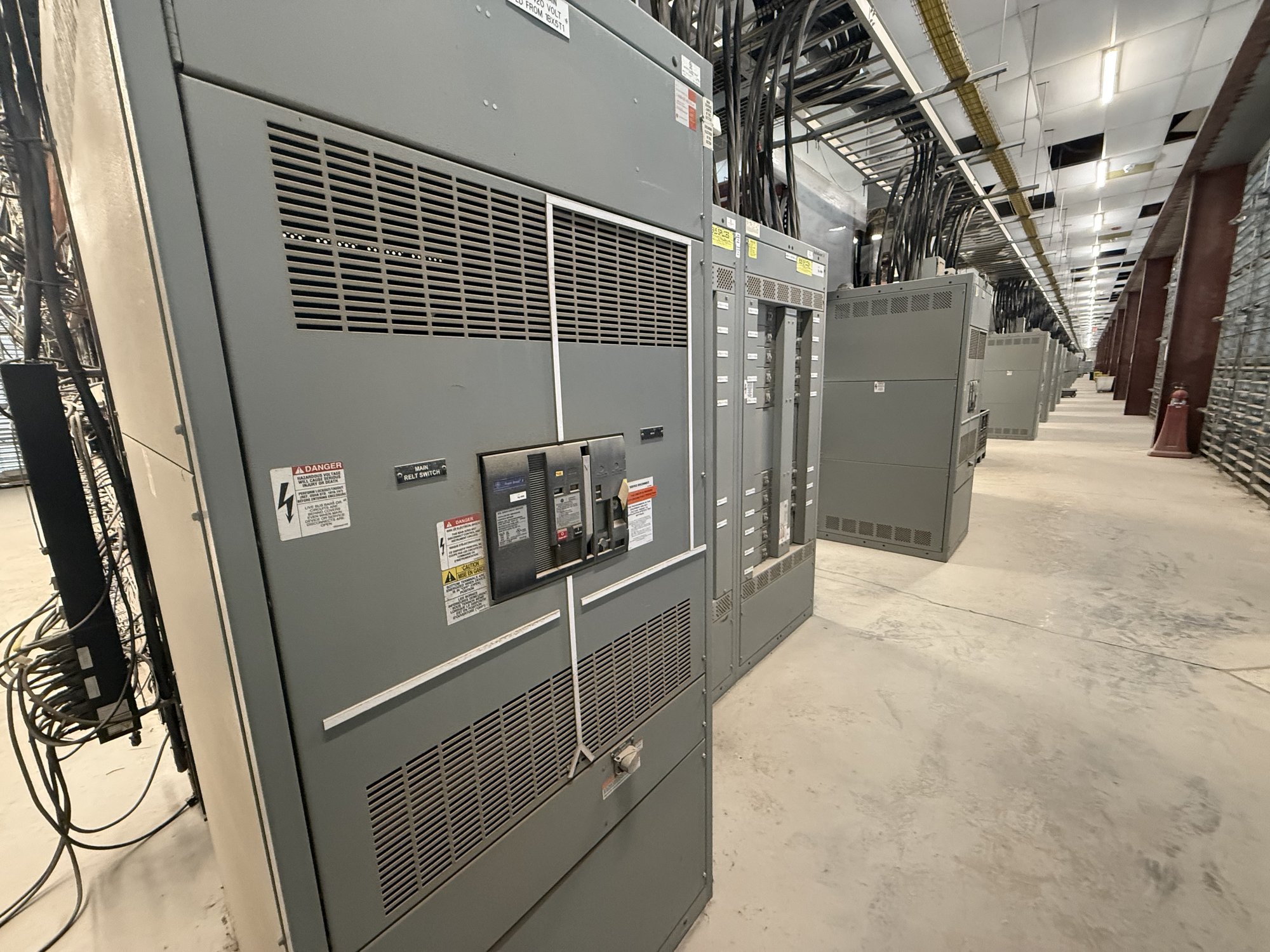
Separate production checks from acceptance testing
Routine production checks are performed as part of building an assembly. Their purpose is to verify workmanship and confirm that the completed equipment corresponds to its approved drawings and applicable manufacturing requirements. Depending on the assembly and agreed scope, checks may include visual inspection, examination of wiring and connections, and operational checks of control or mechanical functions. The specific activities and records should be confirmed for the equipment being quoted.
Acceptance testing is a distinct, project-defined scope rather than an automatic extension of routine production work. It may add customer-selected inspections, test procedures, witness points, or reports to support project acceptance. The term can mean different things across contracts, so specify the requested activities instead of relying on the label alone. Neither a routine check nor an acceptance test should be taken to establish performance beyond the documented scope.
Define the assembly and the evidence required
Begin with the equipment schedule, one-line diagram, approved or bid drawings, and relevant specifications. Identify the switchboard or switchgear sections, major devices, control power arrangements, metering, protective functions, and any interlocks that affect the requested inspection. For UL 891 switchboard assemblies, identify the applicable assembly requirements and project documents; UL 891 applies to switchboards and does not serve as a blanket listing for medium- or high-voltage switchgear.
State what evidence the project needs: a checklist, recorded test results, marked drawings, device settings documentation, or another defined record. Clarify whether documents must be submitted for review before shipment, included with the equipment, or formatted for a commissioning package. Agree on acceptance criteria and responsibility for approving them before production is complete. A request for a report without a specified test and pass criteria can leave both purchaser and manufacturer with different expectations.
Choose tests that answer project questions
Ask what uncertainty the added test is intended to resolve. A visual examination may address layout, labeling, and visible workmanship; a mechanical or functional check may confirm selected operating sequences or interlock behavior. Electrical tests, when appropriate to the equipment and agreed procedure, require defined test points, conditions, instruments, and acceptance criteria. The manufacturer can review requested scope against the design and identify what can be verified at the factory.
Do not assume every field commissioning activity can be reproduced during production testing. Site wiring, utility conditions, external control signals, installed grounding, and integration with other systems may not be present at the factory. Where a project needs end-to-end verification, divide responsibilities clearly between factory checks and qualified field commissioning. Test procedures must suit the equipment and be performed by qualified personnel using appropriate controls.
Plan witness points and schedule constraints
If the purchaser or engineer wants to witness testing, define that requirement in the purchase documents. Specify which tests require a witness, who may attend, how much notice is needed, whether remote observation is acceptable, and how witness comments will be resolved. A witness point can affect production sequencing and shipment readiness, so it should be coordinated before the assembly reaches the test stage rather than added informally near completion.
Added test scope can require procedure review, engineering coordination, equipment setup, documentation, or correction and retest if a result does not meet agreed criteria. These needs can affect cost and schedule; exact scope, availability, and timeline are confirmed for each order. For a Georgia project, provide the required delivery location and target site date when requesting a quote so factory testing, release documentation, and nationwide shipping can be planned together without implying a guaranteed transit or arrival date.
Prepare a clear request for quotation
For a useful quote, share the equipment type, section lineup, electrical drawings, project specification, applicable standards, and expected delivery location in Georgia. Include any owner or engineer testing language, requested test list, required reports, witness expectations, and document-submittal deadlines. Identify whether the request concerns routine production checks, separately specified acceptance tests, or both. If requirements are still under review, list open questions rather than treating an unapproved test plan as settled.
Ask the manufacturer to identify included checks, excluded activities, proposed records, purchaser-supplied requirements, and any information needed to finalize the scope. Confirm how deviations or failed results will be documented and who authorizes corrective work or retesting. This review helps purchasing compare proposals on equivalent terms and gives engineering a chance to resolve technical questions before they affect fabrication or release.
Carry test scope through project handoff
Before shipment, reconcile the agreed test scope with the final equipment documents and identify any open items. The handoff package should make it clear which checks were performed, which results were recorded, and which tests remain for the job site. Keep drawing revisions and test records aligned so installers, commissioning personnel, and facility teams are working from the same equipment configuration and approved information.
When preparing your project specification or purchase inquiry, send the drawings, test requirements, witness plan, report needs, and Georgia delivery target together. Ask for a written scope that separates routine production checks from each additional acceptance test. That simple distinction gives the project team a practical basis to review cost, schedule, factory evidence, and remaining field responsibilities before the new assembly is released.