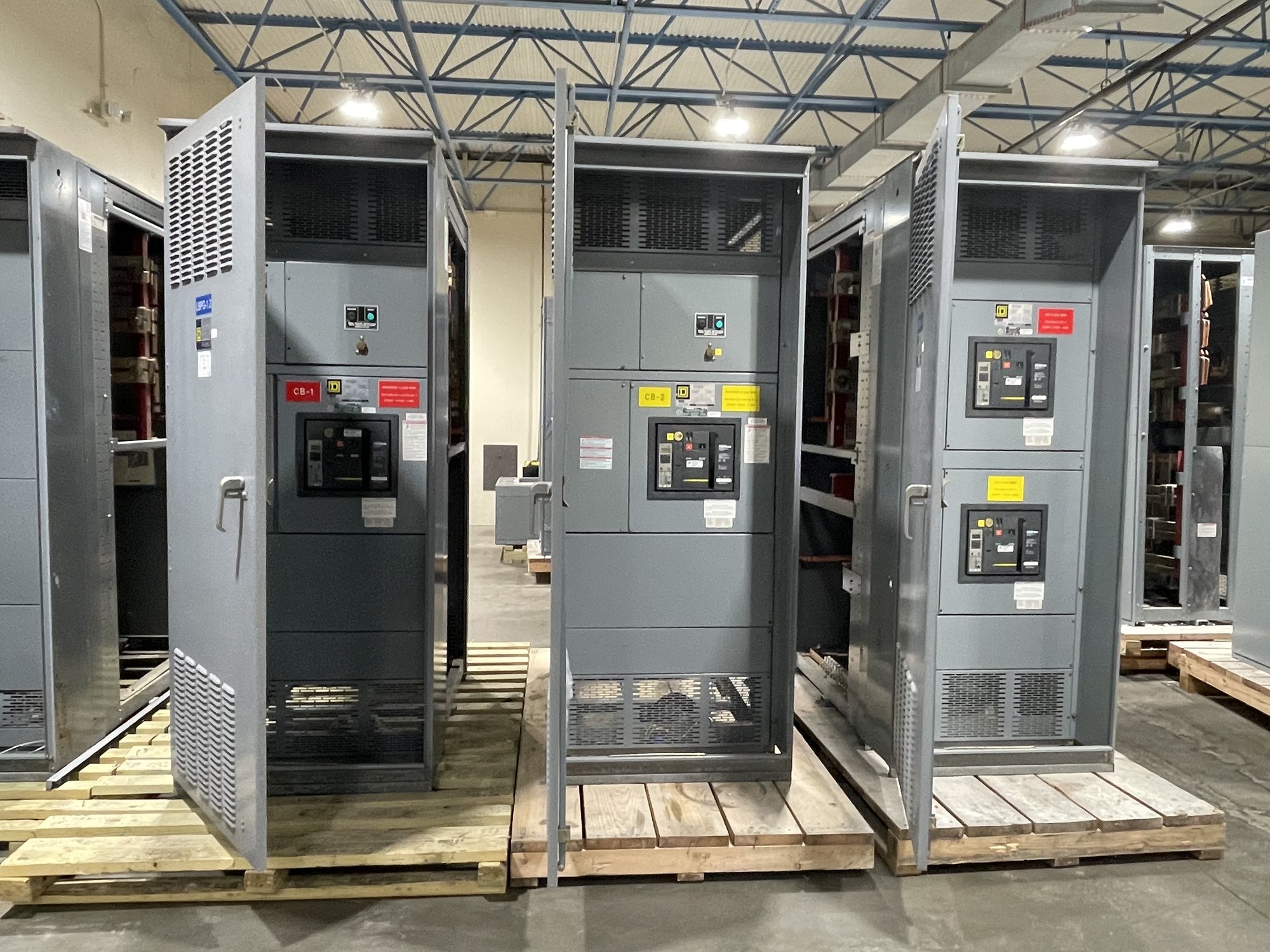
Define the project and equipment scope
Start by identifying what the project needs the equipment to do: a new service entrance, replacement of existing distribution, an expansion, or a defined package within a larger construction schedule. Share the project location in Valdosta, the application, the desired equipment type, and whether the scope calls for a switchboard assembly, switchgear, or a configuration still under engineering review. That context helps establish what information is needed before a proposal can be prepared.
Clarify the boundary of supply. Note whether the requested scope includes only the equipment or also separately specified accessories, metering provisions, control components, or documentation. Identify equipment that must interface with existing gear and whether the work is new construction or a retrofit. A quote should reflect a defined, reviewable scope rather than assume that similarly named assemblies have identical layouts or functions.
Provide electrical design information
For quote intake, provide the latest one-line diagram and equipment schedules when available. Include system voltage, phase and frequency, main and feeder arrangement, required current ratings, short-circuit information, and the protective-device details specified by the project engineer. Identify service conditions or unusual operating requirements, along with any specified enclosure type or environmental considerations. These details are inputs for review, not a substitute for the engineer’s design or confirmation of the final ratings.
For a UL 891 switchboard assembly, state that requirement explicitly and share the project documents that define the intended assembly and configuration. UL 891 applies to switchboards; it is not a blanket listing for medium- or high-voltage switchgear. If the project uses those voltage classes, identify the equipment category and applicable design requirements so the scope can be evaluated accurately. Certification, listing and ratings must be confirmed for the specific equipment offered, not inferred from a general product description.
Resolve engineering and procurement decisions
Coordinate equipment selection with the electrical engineer of record, the contractor and the facility team. Confirm the design basis, utility or service interface requirements, available fault-current information, protection approach, and any project-specific submittal expectations. Ask who will review drawings, approve deviations, and authorize release for manufacturing. Those decisions help prevent a quote from advancing on assumptions that later conflict with the approved electrical design.
Procurement should also establish quantities, required options, document milestones, and the date the equipment is needed at the jobsite. Separate the desired arrival date from installation, inspection and energization dates; delivery does not establish that the site is ready for installation or operation. Exact scope, availability and timeline are confirmed for each order. American-made components and custom configurations may be considered in developing the requested assembly, but the component and configuration details must be verified for the project.
Plan delivery to the Valdosta site
Georgia delivery planning begins with the actual receiving location, not simply the city name. Provide the full jobsite destination, receiving hours, site contact role, access restrictions, unloading arrangements and any limits on truck approach or staging. Note whether the route or site has constraints such as restricted gates, tight turning space, active construction traffic, limited laydown area, or a required delivery appointment. These conditions help the project team evaluate shipment and receipt requirements before dispatch.
Confirm who can receive the equipment and how it will be moved from the delivery point to its intended location. Discuss packaging, handling instructions, storage conditions and protection from weather or construction activity with the responsible site and installation teams. Nationwide shipping can support delivery to Valdosta, but routing, shipment timing and access depend on the order and site conditions. Do not schedule installation or energization on the assumption that a carrier’s delivery date alone confirms readiness.
Prepare a useful quote request
A focused request can include the one-line diagram, specification, equipment schedule, requested quantity, required standards, project stage, and target dates for drawing review, release and delivery. Add known interface details for existing equipment, the required lineup arrangement, metering or control needs, and any specified accessories. If documents are preliminary, label them as such and identify open questions. This makes it easier to distinguish firm requirements from items awaiting engineering confirmation.
Include the Valdosta receiving address or project area, site access notes, receiving contact role, and unloading plan. State who will review the proposal and submittals, and identify any procurement deadlines or approval steps. If a particular requirement is not yet known, say so rather than filling the gap with an estimate; the project engineer can determine what must be established before final selection. A clear request supports a more useful review of scope, schedule and delivery constraints.
Carry the handoff through release and receipt
Before manufacturing release, compare the proposal and reviewed submittals with the current project documents. Resolve differences in ratings, dimensions, connections, configuration, accessories and documentation, and record approved changes through the project’s review process. Confirm that the equipment scope aligns with the engineer’s design and the purchasing documents. Installation, inspection and energization should be handled by qualified personnel under the applicable project requirements and authority review.
For your next step, assemble the current electrical drawings, specification, equipment schedule and target delivery window, then add the Valdosta site’s receiving and access conditions. Identify the project decision-makers and any unresolved design questions. With those details, request a scope-specific quote for new equipment; availability, final configuration and schedule can then be confirmed for the order.