Start with the project’s electrical scope
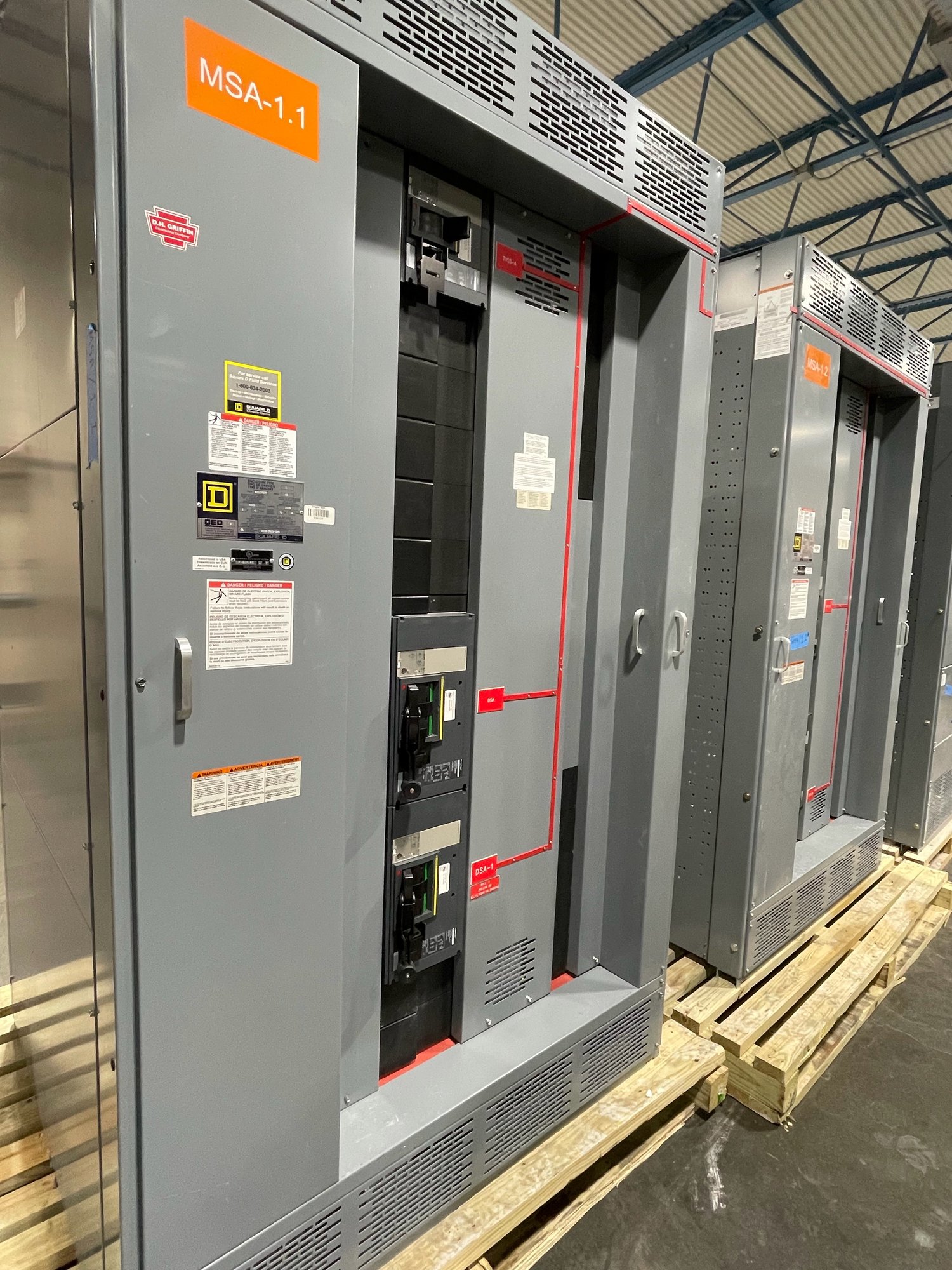
Define what the equipment must serve before requesting a quote. Identify whether the scope calls for a switchboard, switchgear, or a coordinated assembly, and describe its place in the distribution system. Useful starting details include system voltage, phase, frequency, main and feeder arrangement, available fault-current information, and the required ampacity or protective-device ratings. Final selection depends on the project design and engineering review.
A one-line diagram, panel schedule, or written sequence of operation can clarify how the assembly should function. Note any planned tie breakers, spare spaces, metering, transfer functions, or connections to generators and other sources. If documents are preliminary, label assumptions and open decisions rather than treating them as confirmed requirements. That distinction helps keep the quote aligned with the design as it develops.
Resolve application and specification questions
Ask the project engineer to confirm the application, equipment type, ratings, and applicable specifications. UL 891 applies to switchboard assemblies; it is not a blanket listing for medium- or high-voltage switchgear. If the project specification names a standard or certification, identify the exact equipment it applies to and verify that the requested configuration can meet the project’s reviewed requirements.
Construction details also affect scope. Provide the preferred lineup arrangement, incoming and outgoing cable locations, conductor entry direction, neutral and ground requirements, enclosure environment, and any space or access limits. Include control schematics, communication protocols, metering needs, and device preferences when specified. Where a detail is undecided, identify who will resolve it and by what design milestone.
Coordinate engineering and procurement
For procurement, distinguish required features from preferences and identify the documents needed for review, such as outline drawings, wiring diagrams, bills of material, or submittals. Confirm who reviews each document, how comments will be returned, and whether the project has a release date tied to construction. Clear review steps reduce the risk of ordering against an outdated one-line or carrying an unapproved assumption into fabrication.
Custom-built equipment and American-made components can support a project’s specified configuration, but availability and schedule depend on the exact scope. Share the required-on-site date, installation sequence, and any dependencies such as room readiness or utility coordination. We confirm scope, component availability, and timeline for each order rather than assuming a standard lead time applies to every assembly.
Plan delivery to the Smyrna site
Georgia delivery planning should account for the receiving location, not just the city name. Provide the complete delivery address when available, site contact role, receiving hours, unloading method, dock or gate restrictions, and any limits on vehicle size or access. Note whether equipment must reach a particular building entrance, electrical room, or staging area, and whether the route includes tight turns, low clearance, or restricted loading zones.
Coordinate delivery with construction readiness and the installation team. Confirm that the receiving area can accommodate the shipment and that qualified personnel and appropriate handling equipment will be available to receive and move it. Where the project needs phased delivery or separate shipment of sections, state that in the quote request. Shipping arrangements, packaging, and timing are confirmed for the specific order; do not assume a delivery date or service level before confirmation.
Prepare a complete quote request
A useful quote package includes the project name and Smyrna delivery location, equipment type and quantity, one-line diagram, technical specification, required ratings, preferred configuration, and target schedule. Add the latest revision dates, known exceptions, and the name or role of the person responsible for technical questions. If drawings are not yet available, describe the application and list the information still being developed.
Also explain the commercial and handoff requirements: requested submittal documents, approval sequence, shipping constraints, delivery milestones, and whether the scope includes related sections or accessories. Identify unresolved choices such as metering, communications, or enclosure details so they can be addressed before the order is finalized. Requesting a quote does not replace engineering review or approval by the authority having jurisdiction.
Move from quote to project handoff
Before release, reconcile the quoted scope with the approved project documents. Check equipment descriptions, ratings, lineup dimensions, connections, included devices, exclusions, and delivery assumptions. Route technical submittals through the project’s designated engineer and keep a record of accepted revisions. Any change to ratings, layout, or interfaces should be reviewed before it is incorporated into the order.
To begin, assemble the current one-line or specification, list the decisions still open, and provide Smyrna receiving details and the project’s required schedule. We can use that information to develop a quote for new equipment and confirm the applicable configuration, availability, and delivery plan for the order. Have the project engineer verify the design and coordinate installation and energization through qualified professionals.