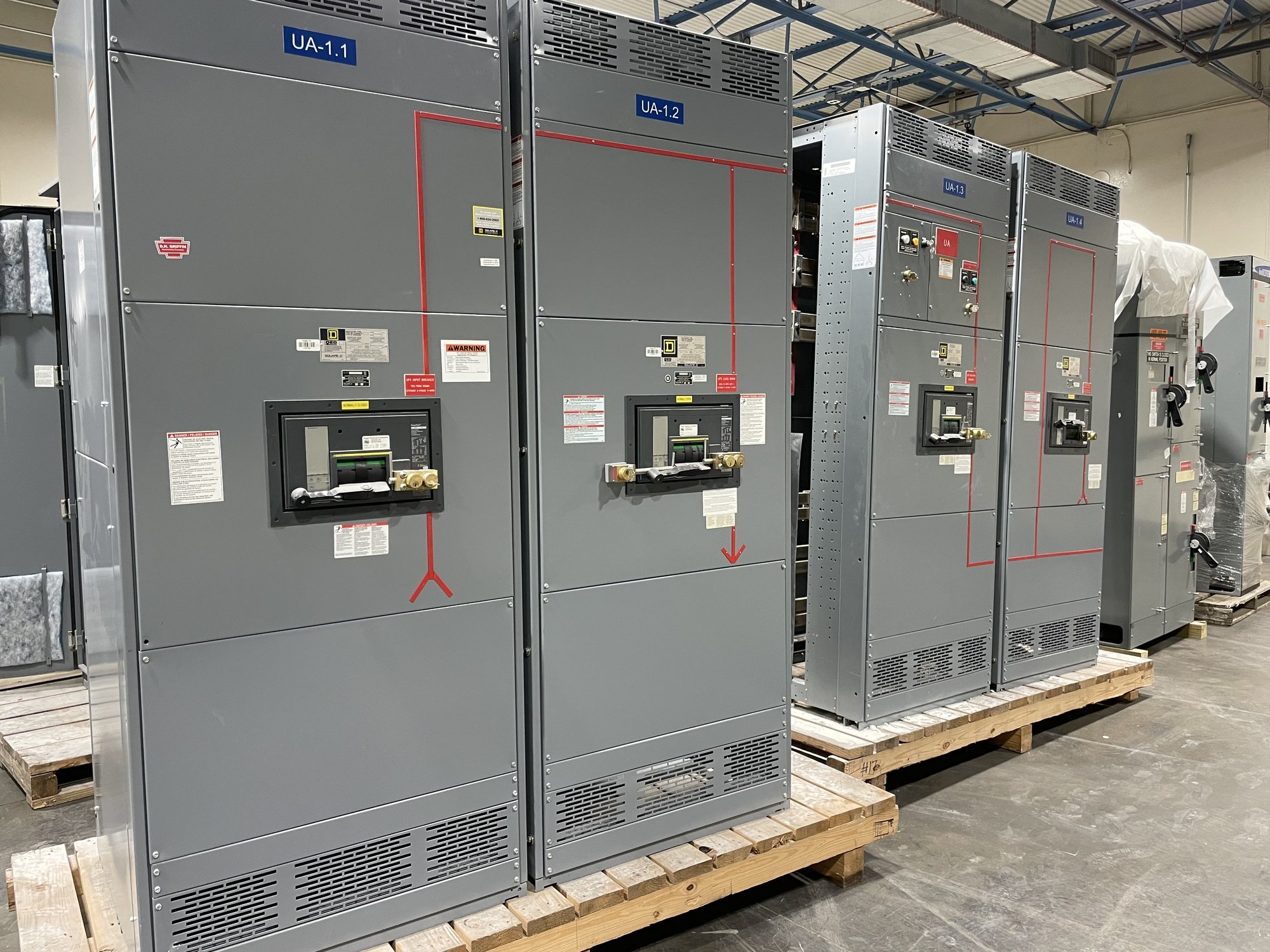
Define the equipment scope
Start by identifying what the project needs: a switchboard or switchgear assembly, new construction or replacement, and the equipment it must coordinate with. Include the service voltage, phase, frequency, available fault-current information, main and feeder arrangement, and any required metering or protective devices. If some values remain under study, mark them as preliminary rather than estimating them.
For a switchboard assembly, identify whether UL 891 is a required standard for the specified equipment. That standard applies to switchboards; it should not be treated as a general listing for medium- or high-voltage switchgear. The applicable equipment type, construction, ratings and approval requirements need to be established for the actual project, not assumed from a broad description.
Give engineering and procurement usable inputs
A useful quote package can include one-line diagrams, equipment schedules, load information, available fault-current data, control schematics and project specifications. Note the requested bus arrangement, enclosure requirements, cable or conduit entry direction, and any space limits. If drawings are being revised, identify the current revision and flag unresolved decisions that could change the configuration.
Procurement teams should clarify the requested quantity, required documentation, bid or submittal milestones, and the date the equipment must be available at the jobsite. Separate firm requirements from preferences, such as a requested component manufacturer or layout approach. American-made components and custom-built configurations can be considered within the defined scope; exact component selection, availability and schedule are confirmed for each order.
Resolve site and interface constraints
Existing electrical rooms can limit equipment dimensions, section arrangement and access. Provide room drawings or measured clearances, door and corridor dimensions, floor and housekeeping-pad details, and the planned route from the receiving point to the installation area. Identify overhead obstructions, turning restrictions and any equipment that must remain in service while the project proceeds.
Explain how the new assembly will connect to upstream and downstream equipment. Relevant details may include cable landing space, conductor entry, bus connections, grounding provisions, control interfaces and the intended sequence for shutdown and cutover. The project engineer and responsible electrical professionals should resolve design, protection, installation and code questions with the authority having jurisdiction; a quote description alone cannot establish approval.
Plan delivery to the Gainesville site
Georgia delivery planning depends on the actual destination and receiving conditions, not simply the city name. Provide the complete jobsite location for planning, the receiving contact role, delivery-hour limits, truck access, unloading method and any appointment or security requirements. Note whether the shipment must reach a staging area before the equipment can move into the building.
Switchgear sections may be heavy, large or shipped in separate pieces, so confirm how the delivery condition relates to the available rigging and installation plan. Tell us whether the site has a dock, forklift or crane access, and whether a carrier can reach the final unloading point. Shipping arrangements and timing are confirmed for the order; do not assume a particular transit date or delivery method before those details are reviewed.
Make the quote request complete
For a focused quote, send the project location, equipment type, quantity, required ratings, one-line diagram, specification, dimensional constraints and target milestones. Include the preferred submittal format and any required documents. If the request covers replacement equipment, identify the existing lineup and the information available from its nameplate and drawings, without treating those records as a substitute for engineering verification.
State what remains open: fault-current study, final load schedule, component preferences, site dimensions or approval requirements. A clear list helps separate items that can be priced from decisions that must be resolved before a configuration or schedule can be confirmed. If the project has alternate designs or phased releases, describe each option separately so the quote can address the intended scope without conflating assumptions.
Carry decisions through project handoff
After scope review, keep the approved drawings, equipment schedule, specification and open-item list aligned. Assign responsibility for resolving each outstanding engineering or site question, and document changes that affect ratings, layout, interfaces or delivery. This record gives purchasing, engineering, construction and receiving teams a consistent basis for coordinating the order.
Before requesting a quote, gather the latest electrical documents, confirm the intended delivery point in Gainesville, and identify site access and milestone constraints. Submit those details with the required equipment scope and mark any preliminary values clearly. That practical handoff gives the manufacturer a sound basis to review a new switchgear or switchboard request and confirm the order-specific configuration, availability and delivery plan.