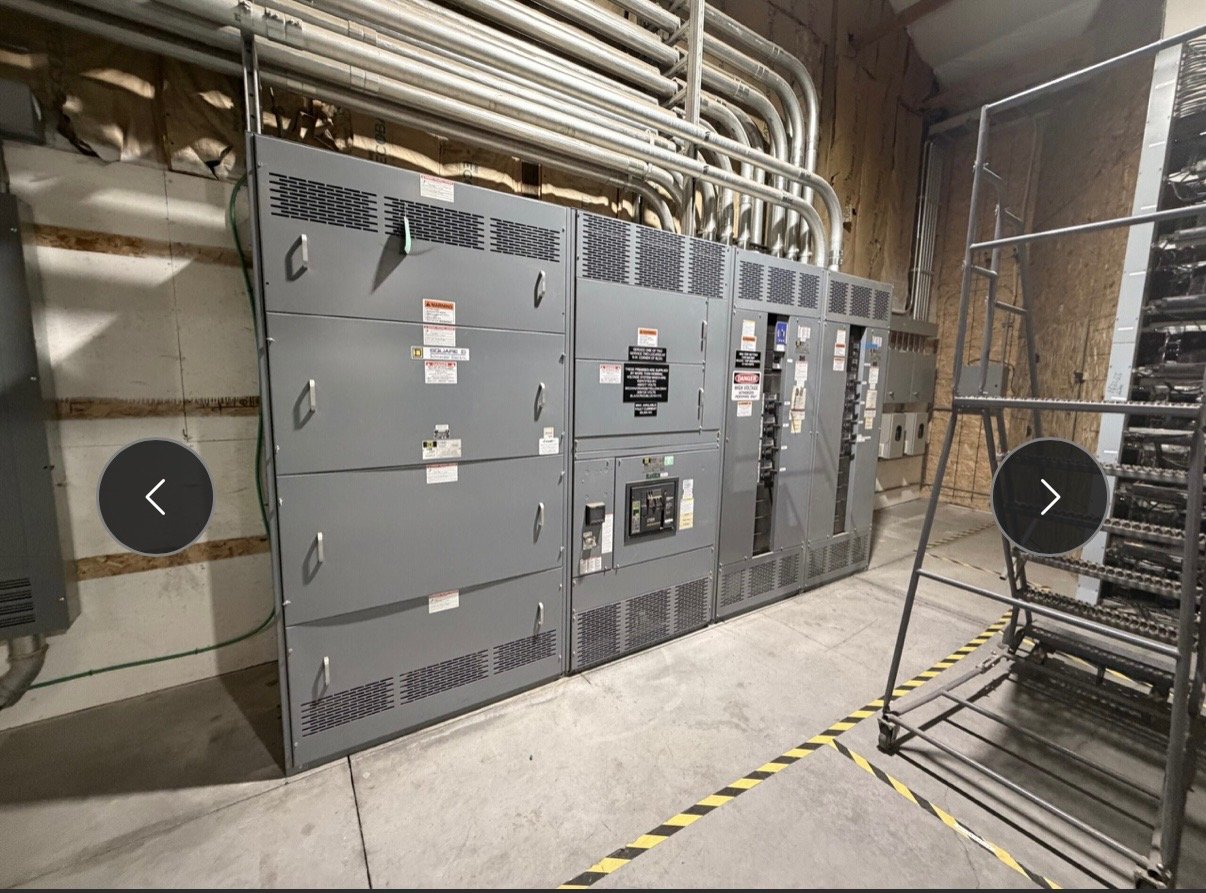
Start with the project boundary
Identify what the new equipment must serve and where the manufacturer’s scope begins and ends. Share whether the requirement is a switchboard assembly, another switchgear configuration, or a replacement tied to existing gear. Include the project stage, intended application and any known interface points; do not assume that a room’s existing arrangement establishes the right electrical design.
For replacement work, clarify whether the project calls for a complete assembly or a defined portion of a larger system. Note what remains in place, which connections must align, and whether temporary arrangements or phased installation affect the scope. For new construction or expansion, identify the loads or distribution areas involved and the parties responsible for upstream and downstream equipment.
Provide useful electrical details
A quote can be developed more effectively when the request includes available one-line diagrams, equipment schedules, specifications and relevant site documents. Identify system voltage, phase, frequency, bus requirements, protective-device preferences and any stated fault-current or withstand requirements. These details are project inputs, not a substitute for engineering review or confirmation of the final design.
Describe the required sections, feeder functions, metering or control provisions, and incoming and outgoing connection arrangements where known. If the project specifies a UL 891 switchboard assembly, say so and provide the applicable specification requirements. UL 891 applies to switchboards; it does not establish a blanket listing for medium- or high-voltage switchgear. Flag any open design questions so the responsible engineer can resolve them.
Coordinate engineering and procurement
Before equipment selection is finalized, align the electrical engineer, contractor, facility representative and purchasing team on the approved design basis. Confirm who will review drawings, resolve deviations, approve submittals and release the order for production. A clear decision path helps prevent an unresolved specification, late change or missing approval from disrupting the project sequence.
Procurement should distinguish required features from preferences and identify acceptable alternatives, if any. State the requested delivery window, the date equipment must be available for installation, and any milestones that drive that date. We confirm scope, availability and timeline for each order; short lead times may be a project priority, but no schedule should be assumed until the configuration and order details are reviewed.
Check room and installation constraints
Dunwoody sites can differ substantially, so provide project-specific information rather than relying on a general location description. Useful details include equipment-room dimensions, doorway and corridor clearances, overhead obstructions, floor or housekeeping-pad conditions, and the planned route from the receiving point to the final room. Note restrictions on staging, delivery hours or access coordination when they are known.
Share equipment layout requirements and any limits on section size, orientation, cable entry or connection access. If existing gear must remain operational during construction, explain the planned sequence and identify interfaces that require coordination. The project engineer and qualified installation team must determine appropriate design, handling, installation and energization requirements, with applicable authority review where required.
Plan delivery to the Dunwoody site
We ship new equipment nationwide, including orders for projects in Dunwoody. For a useful delivery plan, provide the complete jobsite destination, receiving contact or procedure, site access instructions, unloading arrangements and the party responsible for moving equipment beyond the receiving point. Identify whether the site has truck-size, turning, dock, liftgate, crane or restricted-hour limitations rather than assuming a standard delivery can reach the equipment room.
Coordinate the requested arrival with construction readiness, storage conditions and the installation sequence. Confirm who can inspect the shipment at receipt, where it can be protected from weather and site activity, and how any delivery exceptions will be documented. Delivery arrangements depend on the order and site conditions; confirm the agreed scope and schedule before construction teams plan around arrival.
Make the quote request actionable
For quote intake, send the project location in Dunwoody, equipment type and quantity, electrical specifications, current drawings, required options, requested schedule and delivery constraints together. Include the project name or internal reference if useful, plus the specification sections that govern the equipment. If drawings or values are preliminary, label them clearly and identify the expected date for approved information.
Also state what remains undecided, who owns each open technical question and how the project team will review submittals. This helps separate pricing and configuration assumptions from confirmed requirements and gives engineering and procurement a practical basis for the next discussion. Assemble the latest documents and site-delivery details, then submit them with the quote request so the proposed equipment scope and Georgia delivery plan can be evaluated together.