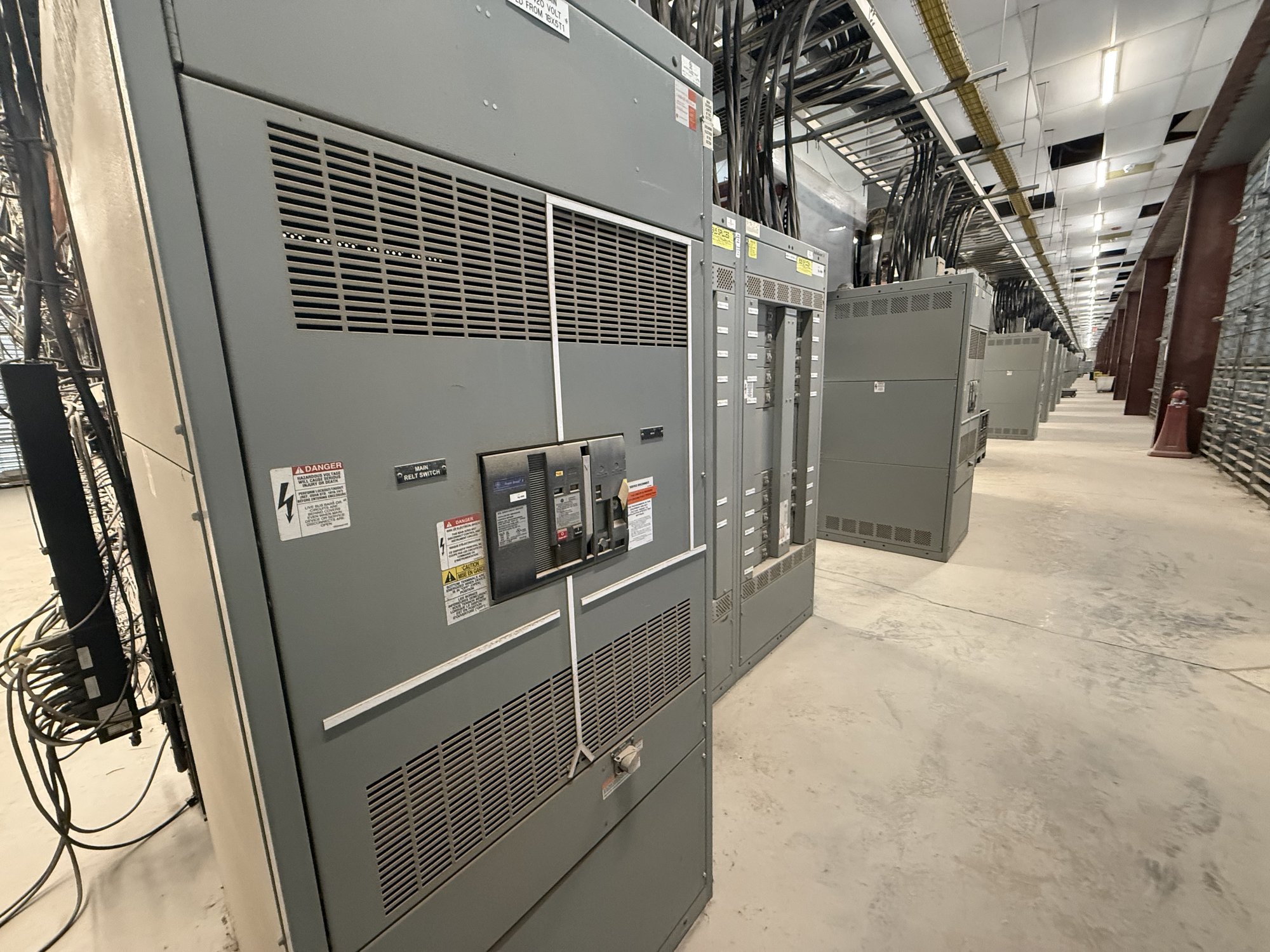
Define the isolation boundary
Before maintenance, identify every source that can feed the equipment or create a hazardous condition. Depending on the installation, sources may include utility service, generators, tie breakers, alternate feeds, control power, stored energy and connected loads that can backfeed. A switchboard section or lineup label alone may not define the boundary; trace the actual circuit paths and operating configuration.
The employer’s energy-control program and qualified personnel determine the required procedure. Equipment documentation can support that work, but it does not replace site-specific hazard assessment, switching instructions or verification. For a new assembly, provide the intended normal and alternate operating arrangements, connected sources and any known operating restrictions so engineering can consider how the equipment will be identified and maintained.
Specify usable isolation points
Ask how each disconnecting means is operated, identified and secured in the intended state. Relevant details include device type, position indication, provisions for applying a lock, access to operating handles and whether a door or deadfront must be opened to reach the device. The configuration should make the intended isolation point clear without implying that an open indication alone proves absence of voltage.
Not every breaker or switch is suitable as an energy-isolating device, and control switches, interlocks or pushbuttons generally do not substitute for disconnecting means. Have the electrical engineer assess the design and applicable requirements, including whether a particular device can isolate the relevant conductors. Where the required method depends on equipment not included in the order, identify that interface before procurement rather than assuming it will be resolved in the field.
Make identification match the drawings
Lockout procedures depend on consistent names across equipment labels, the one-line diagram, schedules and written instructions. During specification, establish the project’s circuit and device naming convention, required label content, language and location. Identify whether labels must distinguish incoming sources, ties, feeders and control-power sources, and flag any naming changes that could affect existing plant documents.
As-built records matter because field modifications and operating changes can make older drawings unreliable. Agree who will provide final circuit information, who will review it, and which documents will be delivered with the assembly. A manufacturer can build and label to an approved project scope; the facility remains responsible for confirming that field conditions and final operating documents accurately represent the installed system.
Resolve design and procurement questions
For a quote, share the one-line diagram, service and distribution arrangement, required sections and devices, source and tie details, available fault-current information when established, and project specifications. Include lockout-related requirements such as lock provisions, device identification, label schedules, door-access constraints and document formats. Explain whether the work is a new installation, replacement or expansion, and identify interfaces with existing equipment.
These details help distinguish requirements that affect the assembly from procedures governed by the facility. Confirm which devices are included, how the scope handles auxiliary or control circuits, and what information the purchaser must approve before release. Configuration, component availability and schedule are confirmed for each order; do not assume a requested accessory, label treatment or delivery date until it is included in the reviewed scope.
Plan verification and handoff
A complete handoff should give the site team the approved drawings, device identifiers and applicable operating information needed to develop or update its energy-control documents. Establish the review point for drawing changes and the process for resolving discrepancies before shipment or installation. For Georgia projects, coordinate delivery timing and receiving arrangements with the construction sequence, access limitations and the site’s readiness to store and inspect the assembly; shipping arrangements and timing are confirmed for the order.
Before maintenance, authorized personnel must follow the employer’s written procedure, isolate all identified sources, apply personal locks and tags as required, and verify the equipment is in a zero-energy state using appropriate methods. Verification may include testing for absence of voltage by qualified personnel and addressing stored energy or possible backfeed. For a project quote, send the drawings, naming and label requirements, source details, delivery location and requested schedule, and identify the person responsible for approving the isolation-related scope.