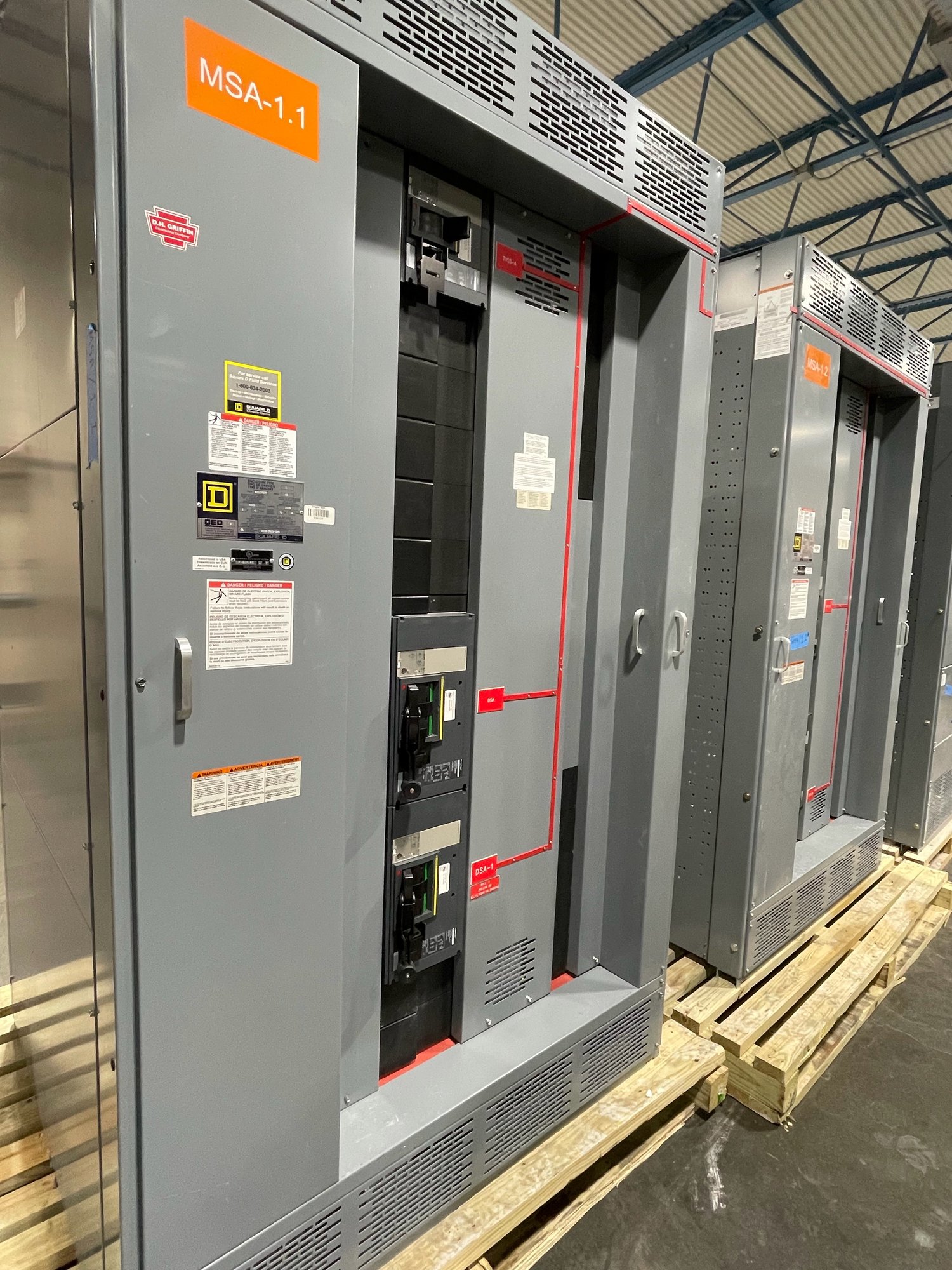
Start with the observation and operating context
Record exactly where the hot spot appears and how it was found. Note the equipment section, component, phase, viewing angle, date, ambient conditions, and whether the observation came from infrared inspection or another measurement. A temperature reading without location and method is difficult to compare later. Preserve the original images or readings and identify the instrument and inspection conditions when available.
Temperature should be considered alongside operating state. Capture the load at the time of inspection, recent load changes, switching events, and whether the equipment had been operating long enough to reach a stable condition. A reading at light load may not represent behavior near peak demand. Do not open energized equipment or attempt measurements unless the work is planned and performed by qualified personnel under applicable safety procedures.
Compare like components under similar load
A comparison across phases or similar connection points can help distinguish a local anomaly from a broader operating condition. The comparison is meaningful only when the components, measurement method, viewing conditions, and load are reasonably alike. A single elevated reading may warrant attention, but it does not by itself establish the cause, severity, or required repair. An engineer or qualified electrical professional should interpret findings in the context of the equipment design.
Ask whether the observed pattern tracks with phase current, unequal loading, harmonic content, or a change in the facility’s operating schedule. Review available current measurements and load records from the same period as the temperature survey. If readings were taken under substantially different conditions, arrange a qualified follow-up at a representative load rather than drawing a firm conclusion from an uneven comparison.
Review connections, condition, and maintenance history
Electrical resistance at a connection can contribute to localized heating, but an image alone cannot confirm a loose, damaged, contaminated, or improperly prepared joint. Qualified personnel may need to assess accessible connection points, conductor condition, insulation, signs of discoloration, and evidence of prior overheating. Inspection and any corrective work must follow the equipment manufacturer’s instructions and the site’s established electrical safety controls.
Gather one-line diagrams, equipment nameplates, prior infrared reports, maintenance records, breaker and bus information, and documentation of recent modifications. Note any history of nuisance operation, unusual odor, visible damage, or repeated temperature findings. This record helps the engineering team distinguish a connection concern from loading, ventilation, component aging, or another issue, and supports a clear decision on repair, monitoring, or replacement.
Decide whether corrective work or replacement is warranted
The next step depends on verified findings, equipment condition, operating requirements, and the consequences of an outage. Some investigations may lead to a planned inspection or corrective maintenance; others may identify damaged parts, obsolete equipment, limited capacity, or a need to replace a section or assembly. Engineering review should define the scope and any required shutdown, testing, protective-device coordination, and acceptance checks. Do not treat a temperature threshold as a universal replacement rule.
If new switchgear or a UL 891 switchboard assembly is being considered, define the required configuration from the project documents and engineering review. UL 891 applies to switchboards; it is not a blanket listing for medium- or high-voltage switchgear. Confirm the intended equipment type, system characteristics, feeder and load requirements, physical interfaces, and project approvals before procurement. Ratings, construction details, and certification scope must be confirmed for the specific assembly.
Prepare a useful equipment request
For a manufacturer quotation, provide the investigation summary, equipment type, available nameplate data, system voltage and frequency, one-line diagram, required sections and devices, and known connection or interface constraints. Include the hot-spot location, readings and load conditions, relevant photos, existing dimensions, and the reason replacement is being evaluated. Identify which information is confirmed and which remains subject to engineering review.
Also share the required delivery location in Georgia, site access or receiving constraints, requested project milestones, and the planned outage or installation window. These details help assess configuration and shipping requirements without assuming a stock unit or fixed schedule. Exact scope, component availability, and timing are confirmed for each order; delivery planning should align with the project’s approved drawings and site readiness.
Close the investigation with a clear handoff
A useful handoff records the initial observation, operating conditions, comparisons made, qualified inspection findings, engineering decisions, and outstanding questions. Identify who owns the next action, what documentation is required, and whether monitoring or a shutdown-based inspection is planned. If replacement is selected, connect the findings to a defined equipment scope so procurement, engineering, installation, and commissioning teams work from consistent requirements.
Before requesting a quote, assemble the latest one-line diagram, nameplate and dimensional information, temperature findings with load context, relevant maintenance history, and Georgia delivery requirements. Ask the engineering team to identify any missing site data or approvals, then use that confirmed scope to plan procurement and project handoff.