Define what must remain energized
Start by identifying the essential loads and the boundaries of the system being evaluated. A healthcare, emergency-power or other critical-facility project may have specific coordination obligations, but the applicable rules depend on occupancy, system function, adopted code edition and authority having jurisdiction. The design team should establish which circuits and operating modes are in scope before requesting equipment.
Coordination is not simply a request for larger breakers or a general preference for continuity. The goal is to limit an overcurrent event to the smallest practical portion of the distribution system, subject to the devices’ characteristics and system conditions. Ask the engineer to identify the required coordination paths, including the relationship between source, feeder, branch and emergency-system overcurrent devices.
Verify the requirement for this project
Confirm the governing code and specification language with the electrical engineer and the authority having jurisdiction. Requirements can differ by application and by the adopted edition. A project specification may also impose coordination criteria beyond a minimum code provision, or define essential circuits more narrowly than a general one-line diagram suggests.
Clarify whether the design calls for selective coordination across the full fault-current range or within a specified range, and which operating configurations must be evaluated. Normal and alternate sources, generator operation, transfer equipment and maintenance settings can change available fault current or device response. These decisions belong in the engineered study; a manufacturer should not infer them from a request for a coordinated switchboard.
Use actual device curves and system data
A coordination review compares time-current characteristics for the selected protective devices. It needs the device manufacturer and catalog designation, trip unit or fuse type, sensor or rating, adjustable settings, and published curve data. Nominal ampere ratings by themselves do not show whether two devices coordinate. Where curves overlap, the result may depend on current level, tolerance bands and the manufacturer’s tested selectivity information.
The study also needs credible system inputs, including transformer data, conductor lengths and sizes, source configurations, and available fault-current information at relevant buses. Selective coordination can be achievable at one current range but not another. The engineer should document assumptions, evaluate the devices at each series connection, and resolve conflicts before the final equipment schedule is released.
Specify equipment around the study
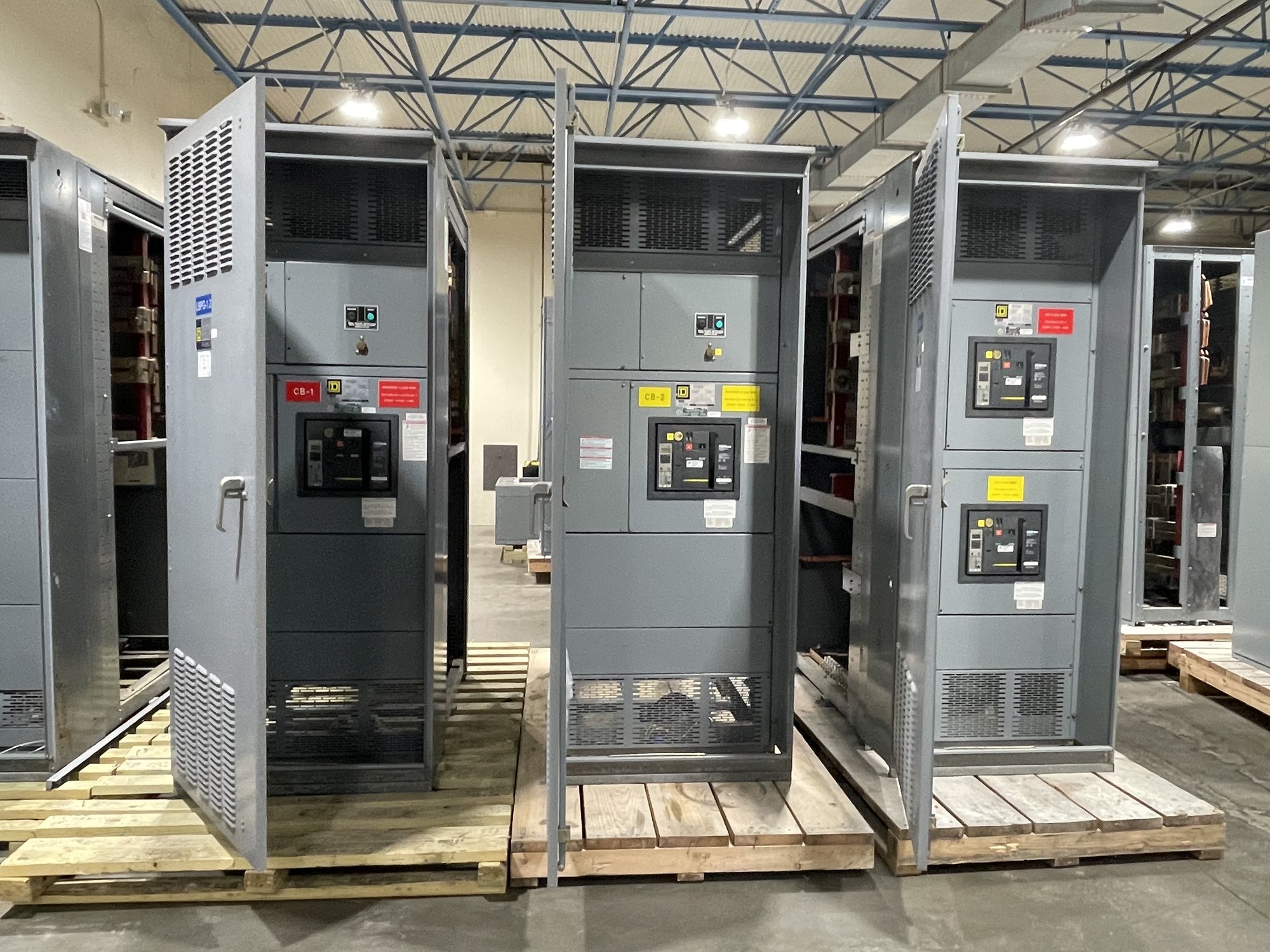
For a new switchboard, provide the one-line diagram, load and circuit schedule, source and transfer arrangement, required bus and device ratings, and the coordination study or its approved design criteria. Identify which devices are furnished in the assembly and which are upstream or downstream. A UL 891 switchboard assembly standard applies to switchboards; it does not establish selective coordination or cover medium- and high-voltage switchgear as a blanket listing.
Engineering and procurement should reconcile the study with the submittal schedule before release. Ask whether proposed device substitutions, alternate trip units or setting changes affect the documented coordination result. The quote should state the intended assembly scope and identify information still needed; exact configuration, component availability and production timing are confirmed for each order.
Protect the result through handoff
Coordination is vulnerable to late changes. A different breaker frame, trip unit, fuse class or setting can alter the curves, while a revised transformer or source can change available fault current. Establish a review point for substitutions and require the responsible engineer to approve any change that could affect the study. Keep final settings and device identifiers aligned among drawings, submittals and field records.
At project turnover, provide the approved study and final equipment information to the commissioning and facilities teams. Qualified personnel should verify installed device identities and settings against the approved design, following applicable procedures and project requirements. If field conditions differ from study assumptions, the engineer should reassess the coordination rather than rely on the original analysis.
Prepare a useful Georgia quote request
For a quote, share the project location in Georgia, required delivery point and schedule, one-line diagram, equipment schedule, governing specification, source details, and coordination-study criteria. Include known device selections and settings, fault-current data, operating modes, and any approved alternates. Flag which loads are essential and where continuity is required so the proposed switchboard scope can be compared with the design.
Georgia delivery can be coordinated with the project’s receiving and installation sequence, but shipment timing and configuration depend on the order scope and confirmed schedule. Before procurement, ask the engineer to identify unresolved coordination paths and the documents needed for final release. This gives the manufacturer a defined basis for a new, custom-built assembly while leaving code interpretation and system coordination with the responsible design professionals.